
Xiaomi’s economical gaming monitor option debuts with 200 Hz and high-fidelity Fast IPS panel

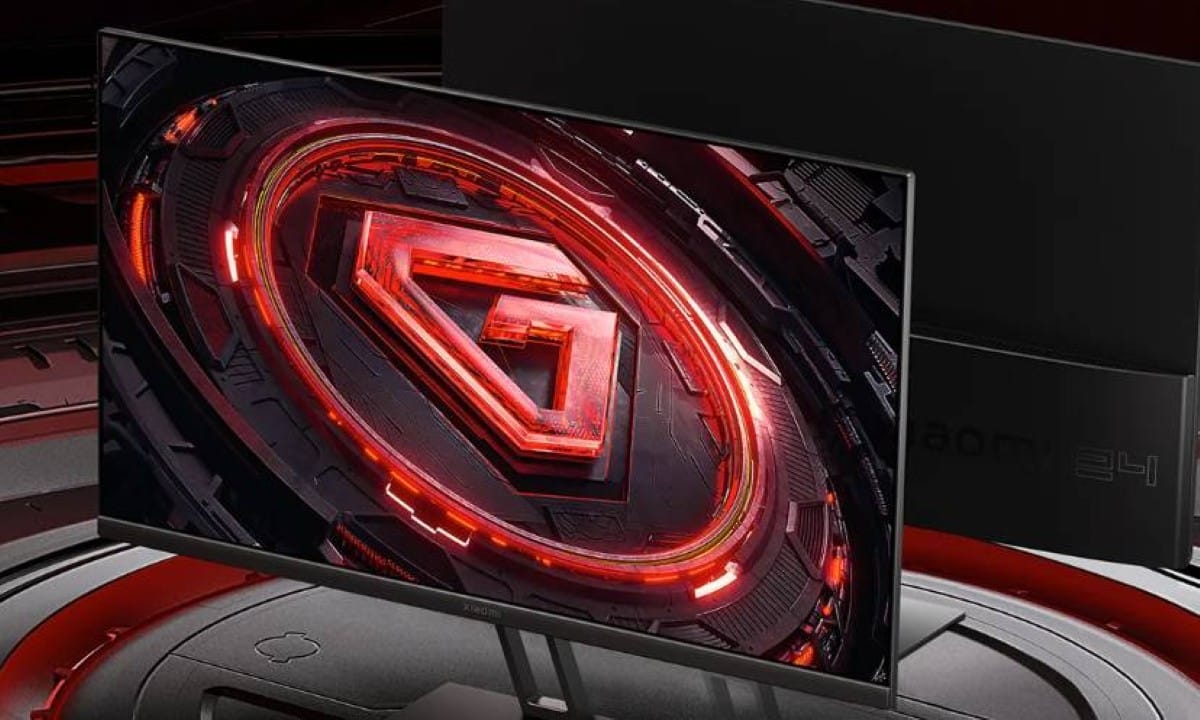
Xiaomi has officially announced the arrival of a new member for its portfolio of peripherals aimed at the electronic gaming audience. The Redmi G25 model was presented to the Chinese market with the aim of democratizing access to high refresh rates, offering 200 native Hz in a compact panel. The device seeks to meet the growing demand for equipment that balances performance in competitive scenarios and affordable cost for the end consumer.
The equipment features a 24.5-inch screen, a size often considered ideal by professional eSports players due to the ease of viewing the entire peripheral field without the need for sudden head movements. The established resolution is Full HD (1920 x 1080 pixels), which allows entry-level and intermediate video cards to achieve the high frames per second rates necessary to take advantage of the monitor’s frequency.
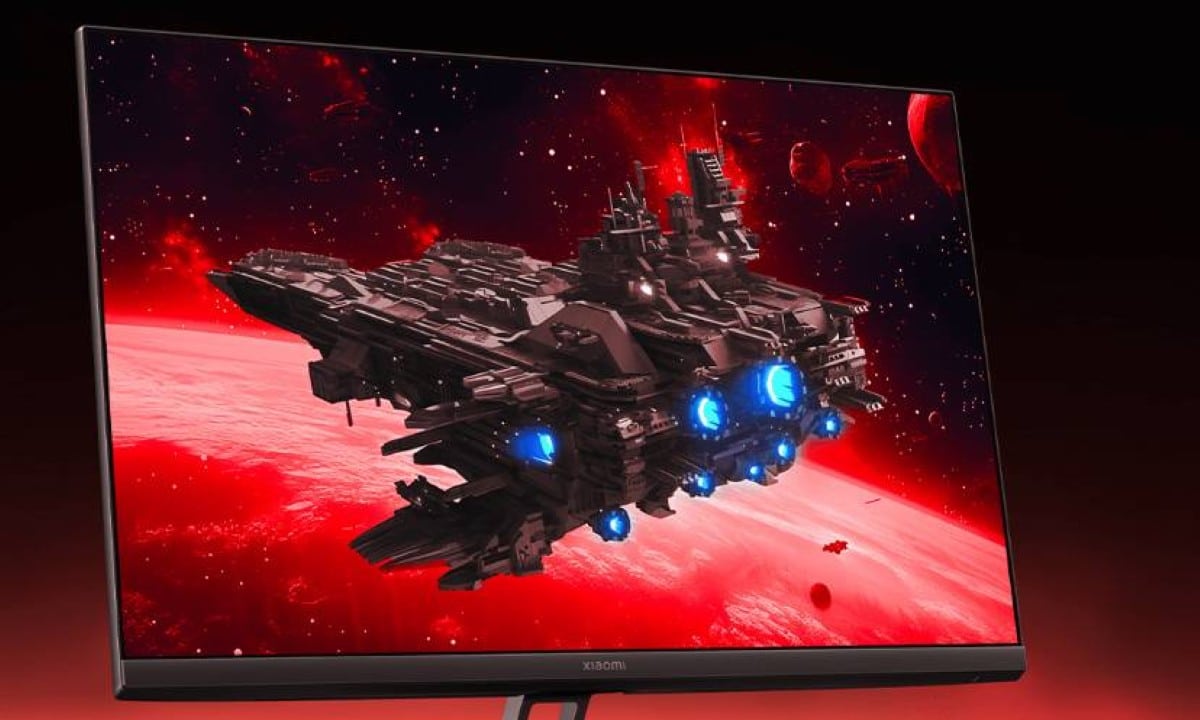
One of the main innovations of this entry-level model is the use of Fast IPS technology. Diferente than conventional IPS panels or common VA and TN models in this price range, the Fast IPS can deliver significantly shorter response times while maintaining color fidelity. The manufacturer stipulates a response time of 1 ms (GtG), an essential characteristic for eliminating image traces, known as “ghosting”, in fast action sequences.
The aggressive pricing strategy positions the product as a viable alternative for those who are building their first gaming setup or looking to upgrade old 60 Hz or 75 Hz monitors. The initial launch takes place at China, but the technical specifications suggest an attractive potential for global markets where the search for cost-benefit in hardware is high.
Especificações técnicas e desempenho visual
The technical difference of the Redmi G25 lies in the combination of its refresh rate with the quality of the panel. The frequency of 200 Hz exceeds the market standard for input monitors, which generally remain at 144 Essa extra fluidity provides a competitive advantage in first-person shooters (FPS) and MOBAs, where visual latency can define the outcome of a match.
To ensure that the image remains intact even during sudden variations in video card performance, the monitor supports adaptive synchronization technologies. Compatibility with FreeSync and G-Sync allows the screen’s refresh rate to dynamically adjust to the frames generated by the GPU. Isso eliminates visual problems such as “tearing”, where the image appears to be cut horizontally, and “stuttering”, which causes choking during viewing.
The maximum brightness of 400 nits, combined with support for HDR 400, offers a superior visual experience when consuming media, allowing a clearer distinction between light and dark areas in compatible content. The 1000:1 static contrast follows the IPS technology standard, ensuring consistent blacks, although not as deep as on VA panels, but compensated by better viewing angles.
Color fidelity and factory calibration
In addition to the focus on speed, the Xiaomi implemented features aimed at image quality, making the monitor a hybrid option for games and work that requires basic color accuracy. The panel covers 95% of the DCI-P3 color space and 100% of the sRGB spectrum. Essa coverage ensures that colors are displayed vibrantly and closely to the original intent of game developers and content creators.
A highlight is individual quality control. Cada unit of the Redmi G25 leaves the factory with a calibration that ensures an
The 178-degree viewing angles, both vertically and horizontally, ensure that the image does not undergo drastic changes in color or brightness when viewed from the side. Isso is particularly useful for multi-monitor setups or for users who are not perfectly centered in front of the screen at all times.
Connectivity and structural design
The device’s construction reflects the need to keep cost low without sacrificing essential functionality. The design adopts thin edges on three sides, favoring immersion and facilitating the use of two or more screens side by side. The base, although simple, offers tilt adjustment to improve the user’s visual ergonomics.
In terms of connectivity, the monitor offers the necessary ports for most modern consoles and computers:
– One DisplayPort 1.4 input, recommended to reach the maximum rate of 200 Hz on PC.
– One HDMI 2.0 port, compatible with current generation consoles and PCs.
– Saída 3.5 mm audio jack (P2) for direct connection of headphones or external speakers.
The lack of height or rotation adjustments on the original base is compensated by compatibility with the VESA 75 x 75 mm standard. Isso allows the user to install the monitor on articulated arms or universal wall brackets, ensuring total ergonomic freedom if they wish to invest in third-party accessories.
Values and availability on the market
The launch of the Redmi G25 at China was announced with a suggested retail price of 609 yuan. In a direct conversion to Brazilian currency, without considering import taxes or logistical costs, the approximate value would be R$ 456. Este price level places the device in an extremely competitive position compared to traditional brands that offer similar specifications for considerably higher values.
There is still no official confirmed date for global distribution or official arrival at Brazilian retailers. However, the brand’s history points to eventual availability in import channels and international marketplaces. The arrival of a monitor with 200



