XREAL Hub resolves video connection failure between Nintendo Switch 2 and augmented reality glasses
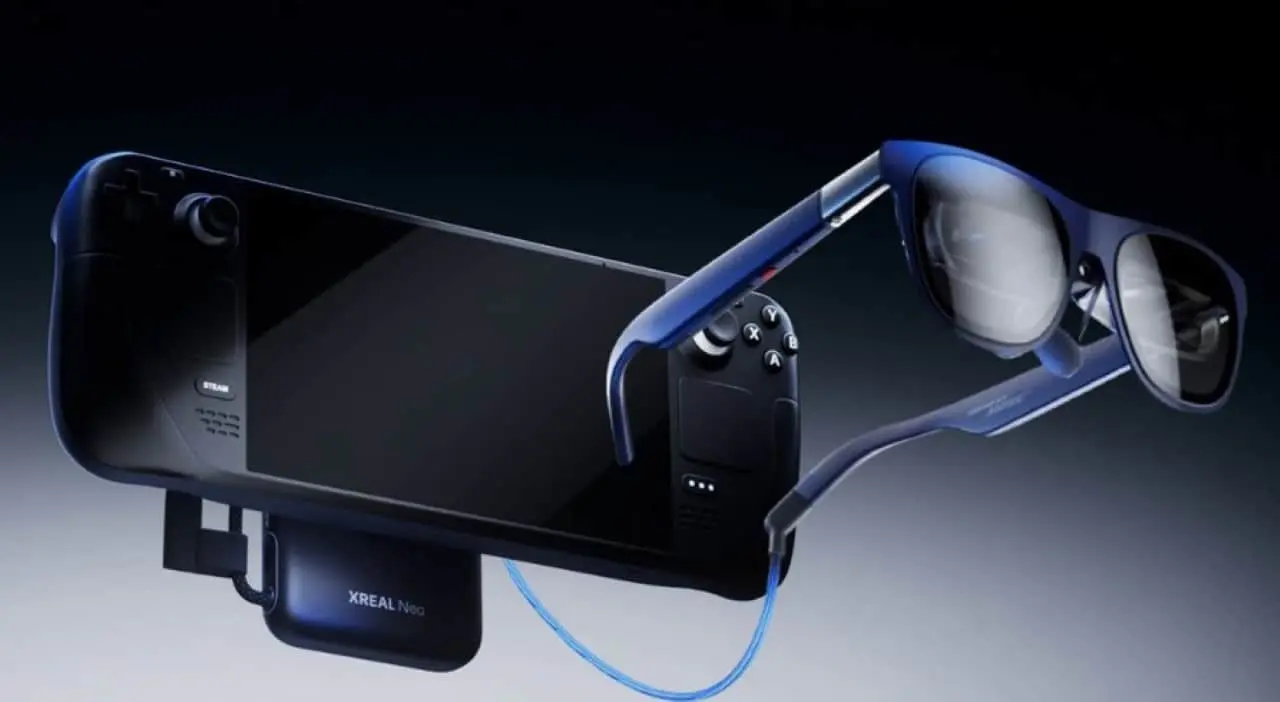
The technical barrier that prevented fluid integration between Nintendo’s latest console and augmented reality devices has finally been overcome. The arrival of the XREAL Neo on the market offers a definitive answer to the hardware incompatibility that has limited the use of smart glasses with the video game since its launch. The accessory acts as an essential bridge, allowing the console’s image to be projected directly onto the glasses’ lenses, without the need to purchase new viewing peripherals.
The development of this device solves a structural power management problem that blocked direct communication between devices. Tentativas Previous connections via USB-C cable resulted in operational failures, as the console was unable to simultaneously manage the video output and power required to keep the glasses active. The solution presented by the manufacturer corrects exactly this critical point, ensuring that players can enjoy the immersive experience without the hardware limitations previously faced.
XREALさんは新製品発表‼︎
KOU さんかっこよかったです!XREAL NeoがSwitch2のTVモード応ですごく興味あります✨✨
寝ながら大画面ゲーム最高✨#XRKaigi2025 pic.twitter.com/WXEoPzQff1– 櫻井碧@XR Kaigi 12/1行きます (@midori_sakurai)Disamba 1, 2025
Understand the technical obstacle overcome
The root of the compatibility issue lay in the Nintendo Switch 2’s power architecture. The brand’s augmented reality glasses rely on a constant power supply to keep their microscreens functional and operational during gaming sessions.
Learn more: Snap launches $2,195 Specs glasses with focus on human interaction and bold design
Without an external auxiliary source, the recognition process between devices systematically failed, resulting in no image. The new hub was designed to intervene in this circuit, acting as an energy injector that supplies the end of the connection in a stable way.
This way, the standard DisplayPort protocol is fully preserved. Isso ensures high-quality video transmission while devices remain charged and fully operational, eliminating interruptions that frustrate users.
See Also



Hub operation and characteristics
Visually similar to a compact portable charger, the device performs functions that go far beyond energy storage, acting as an intelligent signal manager and electrical distribution center. Upon receiving the video signal from the console, it redirects it to the AR glasses while managing power to avoid excessive draining of the video game battery, a common concern in prolonged gaming sessions.
It is important to highlight that the equipment does not have its own operating system, unlike previous models such as the Beam Pro. The Sua architecture is exclusively focused on bridge connection efficiency, containing only the essential circuitry to adapt communication between the Nintendo hardware and the XREAL optical technology, which ensures low latency and a more fluid user experience.
On the same topic: Pokémon Go users report massive failures with login and connection to the game server
Configuration and preview details
To use the new system, the user will need to establish a configuration that involves three main connections, creating a functional ecosystem. One cable connects the Switch 2 to the hub, while another connects the hub to the augmented reality glasses, with the option of a third cable to charge the accessory itself during use, which is highly recommended for extended sessions. The end result is the projection of a virtual screen equivalent to 130 inches, with a field of vision that can reach 50 degrees, varying depending on the model of glasses used. The ability of the device’s internal battery to support continuous use offers the additional advantage of preserving the console’s charge, bypassing one of the biggest limitations of handheld mode and allowing gamers to enjoy graphically demanding titles for longer, without the immediate anxiety of searching for an outlet.
Compatibility and market context
The manufacturer assured that the new solution is universal within its product ecosystem. The hub is compatible with the first generation Air, as well as the models Air 2, Air 2 Pro and the advanced Air 2 Ultra. The company also guaranteed that future launches of the brand will follow this connectivity standard.
The strategic launch takes advantage of the high demand for the Nintendo console, which recorded significant global sales figures shortly after its debut. With more than 350 million units shipped in just four days after launch, the video game generated a massive installed base, an audience that can now expand its portable experience to large virtual screens.
More on this story: Samsung’s next event reveals new foldable cell phones and smart glasses