
Alignment of six planets provides celestial spectacle visible to the naked eye at the end of February

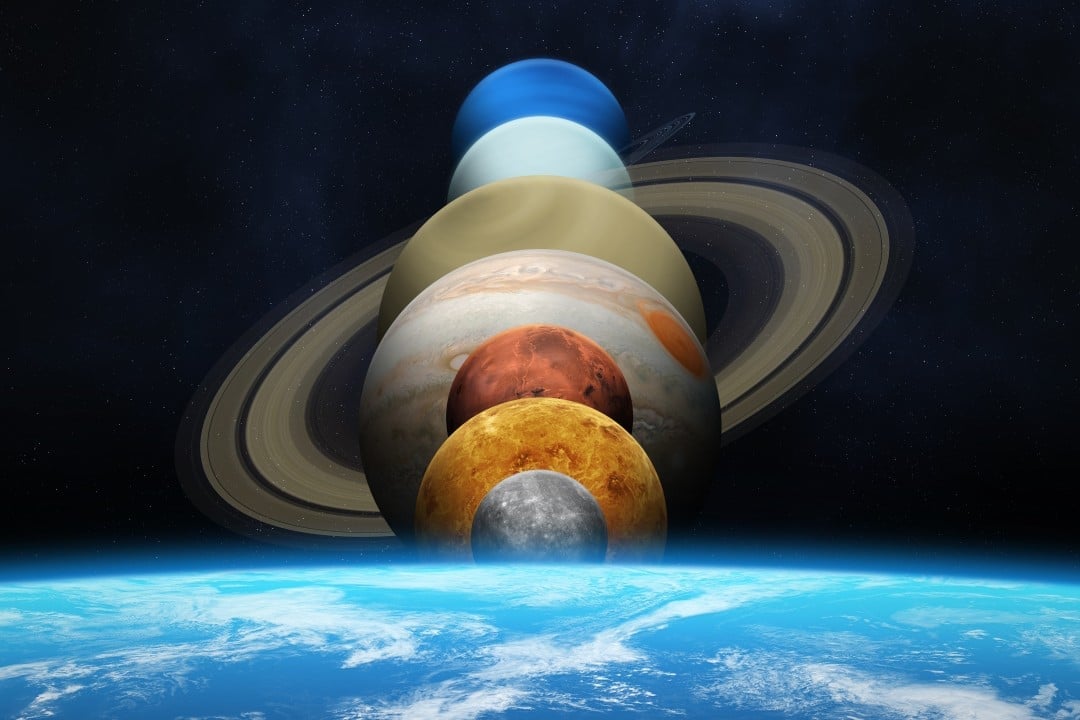
Six planets from Sistema Solar will be visible simultaneously in the night sky from the end of February 2026. The phenomenon, known as a planetary parade, will reach its peak on February 28, when Mercúrio, Vênus, Júpiter, Saturno, Urano and Observations can be made in different regions of the world, including Brasil, shortly after sunset.
The event occurs due to the terrestrial perspective, as the planets orbit Sol in similar planes. Quatro of them – Vênus, Júpiter, Saturno and Mercúrio – can be identified without optical aid under favorable conditions. Urano and Netuno will require binoculars or telescopes to locate.
- Mercury: closest to the horizon, difficult to see due to twilight glow.
- Venus: the brightest, easy to identify.
- Jupiter and Saturno: distinct bright spots in the western sky.
- Uranus and Netuno: faint glow, visible with auxiliary equipment.
How to prepare to observe the phenomenon
The ideal period to follow the alignment starts on February 25th and extends until the first days of March. No Brasil, the recommended time begins immediately after sunset, when the sky is still bright enough to locate the stars. Locais with an unobstructed western horizon, away from light pollution, favors visibility.
Experts advise choosing elevated areas or areas far from urban centers. Cidades Coastal or rural regions offer better conditions, as they reduce interference from artificial lights. Using astronomy apps helps identify exact positions of planets in real time.
Planets involved and their characteristics
Venus stands out as the brightest star after Lua, appearing right at twilight. Sua apparent proximity to Saturno facilitates the location of both on the western horizon. Júpiter, with high magnitude, is positioned higher in the sky, forming visual contrast with the others.
Mercury poses the biggest challenge as it remains close to Sol and quickly disappears below the horizon. Observadores experienced people can identify it on clear days. Urano has a greenish cast in binoculars, while Netuno requires larger telescopes for detail.
Alignment does not imply actual physical proximity between the planets. Cada one maintains its independent orbit, but the view from Terra creates the illusion of clustering. Esse type of configuration occurs periodically, but simultaneous visibility of six stars remains rare.

Practical Tips for Observers on Brasil
Regions Sul and Sudeste have good weather conditions at the end of February, with a lower probability of clouds. Capitais as São Paulo, Rio as Janeiro and Curitiba allow observation in parks or elevated points. No Nordeste, beaches with west views offer a free horizon.
Using ordinary binoculars amplifies the experience, revealing Urano as a bluish dot. Telescópios amateurs capture Netuno and details of Júpiter, such as its main moons. Grupos local astronomy organizations organize public events for collective monitoring.
- Choose clothes suitable for cool nights.
- Bring a flashlight with red light to preserve visual adaptation.
- Check the weather forecast in advance.
- Download apps like Stellarium or SkySafari for guidance.
Scientific explanation of the planetary parade
The planets orbit Sol in an almost coplanar ecliptic plane, which facilitates apparent alignments. The difference in orbital periods causes varying configurations over the years. Terra completes the revolution in one year, while Júpiter takes about 12 years.
These variations create predictable conjunctions and alignments in advance. Astrônomos calculate positions using precise mathematical models. The 2026 event stands out for the number of planets visible simultaneously.
The phenomenon does not affect Earth’s gravity in a noticeable way. Mitos about influences on human events lack a scientific basis. Trata enjoy a unique opportunity to appreciate Sistema Solar.
Other astronomical events expected in 2026
The year holds several celestial phenomena in addition to planetary alignment. Annular solar Eclipse occurs on February 17, visible in specific regions of Hemisfério Sul. Total lunar Eclipse occurs on March 3, observable for much of the Américas.
Perseidas meteor shower peaks in August, with dozens of shooting stars per hour. Geminídeas, in December, they offer a similar show. Conjunções between Vênus and Júpiter occur in June, creating stunning visual approximations.
Moon Azul marks May, when two full moons occur in the same month. Esses events complement rich calendar for watchers. Aplicativos and specialized websites provide exact dates by location.
Importance of amateur sky observation
Amateur astronomy activities grow in Brasil, with clubs in several cities. Participação in collective observations stimulates interest in science. Escolas and institutions promote sessions open to the public during relevant phenomena.
The February lineup serves as a gateway for new enthusiasts. Registro of images with advanced cell phones allows personal documentation. Compartilhamento on networks encourages the exchange of experiences between observers.
The preservation of dark skies becomes essential for future generations. Iniciativas against light pollution gains strength in urban areas. Eventos like this reinforce the need for protected spaces for stellar contemplation.
Final preparation for February 28th
Observers must arrive at their chosen location in advance at sunset. Adaptação from eyes to darkness takes about 30 minutes. Paciência helps in gradually locating the planets as the sky darkens.
Atmospheric conditions determine the success of the observation. Céu clean and lack of fog favor maximum visibility. Atualizações daily weather forecasts guide planning.
The phenomenon represents a unique moment of connection with the cosmos. Milhões of people on different continents will share the same celestial view. Registro history of similar alignments dates back centuries.




