
Asia celebrates arrival of the fire horse with record travel and rituals to attract prosperity

Tuesday marks the official beginning of one of the most anticipated periods in the Eastern calendar, marking the arrival of the year 4274 according to the traditional count based on lunar cycles. Comunidades in several nations, including China, Vietnã, Coreia of Sul and large western metropolises such as Este moment does not just represent a change of date, but a spiritual and social renewal that moves billions of people in search of family reunions and alignment with the new energies proposed by ancient astrology.
The festive period, known worldwide as Festival da Primavera, triggers the largest annual human migration on the planet. Estimativas point out that around 9.5 billion trips are expected to occur during the forty-day season that encompasses the holiday, surpassing numbers from previous years. Aeroportos, railway stations and highways across China are operating at maximum capacity, reflecting the deep desire to return to our origins and the non-negotiable importance of family togetherness at this time of year.
Renewal energy and characteristics of the sign
The new cycle, which runs from February 17, 2026, to February 6, 2027, brings the rulership of the horse associated with the fire element. In Eastern cosmology, this specific combination occurs only once every sixty years, carrying a symbolism of extreme vitality and transformation. The horse is historically revered as an icon of freedom, independence and ambition, suggesting a year conducive to personal development and the pursuit of audacious goals that require courage.
The presence of the fire element intensifies the natural characteristics of the zodiac animal, adding layers of passion, intuition and clarity to human actions. Especialistas in Feng Shui and astrology indicate that the current energy favors truth in interpersonal relationships and dynamism in one’s career. Diferente of more introspective periods, the year of the fire horse invites action and the manifestation of latent desires, being considered an ideal time to take plans off paper and seek professional advancement.
Impact on trade and family traditions
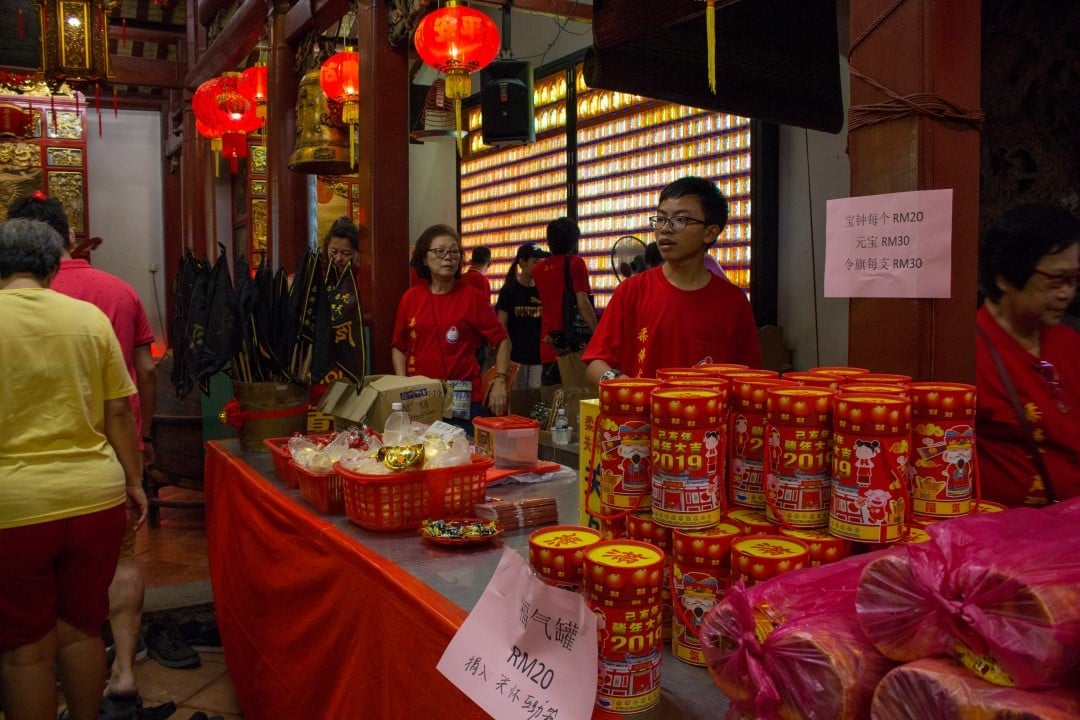
In addition to the spiritual aspect, the celebration vigorously boosts the global and local economy. Retail is experiencing one of its highest revenues, driven by the purchase of gifts, decoration items and traditional foods. The tradition of red envelopes, known as hongbao, moves considerable sums of money, symbolizing the transfer of luck and blessings from elders to younger generations. Entire Cidades are transformed with red lanterns and luminous festivals that aim to ward off evil spirits and attract fortune.
Home rituals play a central role in preparing for the new year. Families dedicate the days before New Year’s Eve to thoroughly cleaning their homes, a practice that goes beyond physical hygiene and seeks to eliminate stagnant energy from the previous cycle. Gastronomy also carries deep meanings, with dishes such as fish and dumplings being consumed to attract abundance and financial prosperity, reinforcing the belief that actions taken at the beginning of the year determine the luck of the subsequent months.
Internet phenomena and pop culture
The 2026 celebration is also notable for curious phenomena that have gained strength on social media and in the popular imagination. The figure of Draco Malfoy, a character from the Harry Potter saga, emerged as an unexpected symbol of good luck due to a linguistic pun. The pronunciation of his surname in Mandarin resembles the expression “horse and fortune”, leading young people to use his image in decorations as a modern and good-humored amulet to attract prosperity.
In contrast to traditional optimism, a stuffed toy known as a “sad horse” has gone viral among younger workers. The doll, which has a haggard expression due to a manufacturing error, was adopted as an icon that represents accumulated fatigue and social pressure for success. Essa cultural appropriation demonstrates how new generations reinterpret traditional symbols to express contemporary feelings, mixing reverence for the past with the irony characteristic of the digital age.




