
China and Morocco take leading roles in the manufacture of vehicles for the European market in search of profit

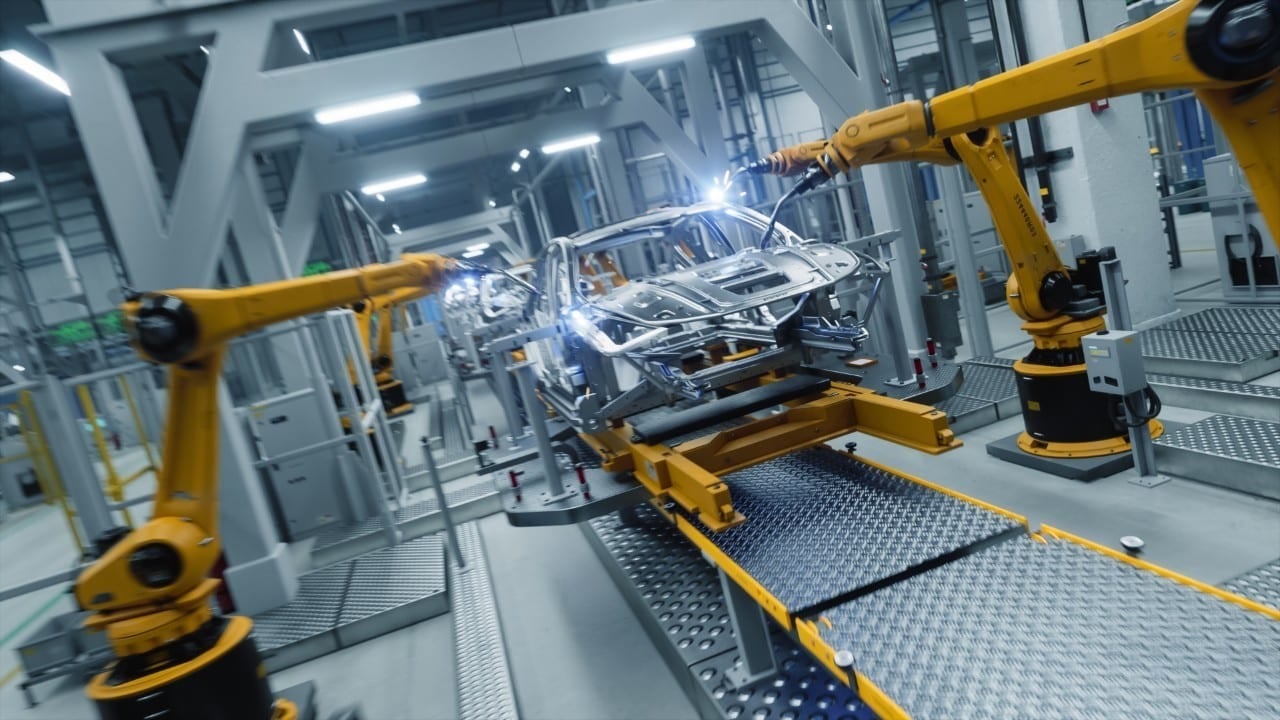
The configuration of the global automotive industry is undergoing a profound and strategic transformation, driven by the incessant need to reduce operating costs and maximize profit margins. Grandes European conglomerates are redesigning their supply chains, moving essential assembly lines outside the continent’s borders. The focus now turns to regions that offer an attractive combination of competitive labor and expanding infrastructure, with emphasis on the north of África and Ásia.
This logistical change is not just a passing trend, but a permanent restructuring that aims to guarantee the survival and profitability of brands in an increasingly saturated market. The search for efficiency has transformed countries like Marrocos and China into central pieces on the production board of vehicles destined for Europa consumers.
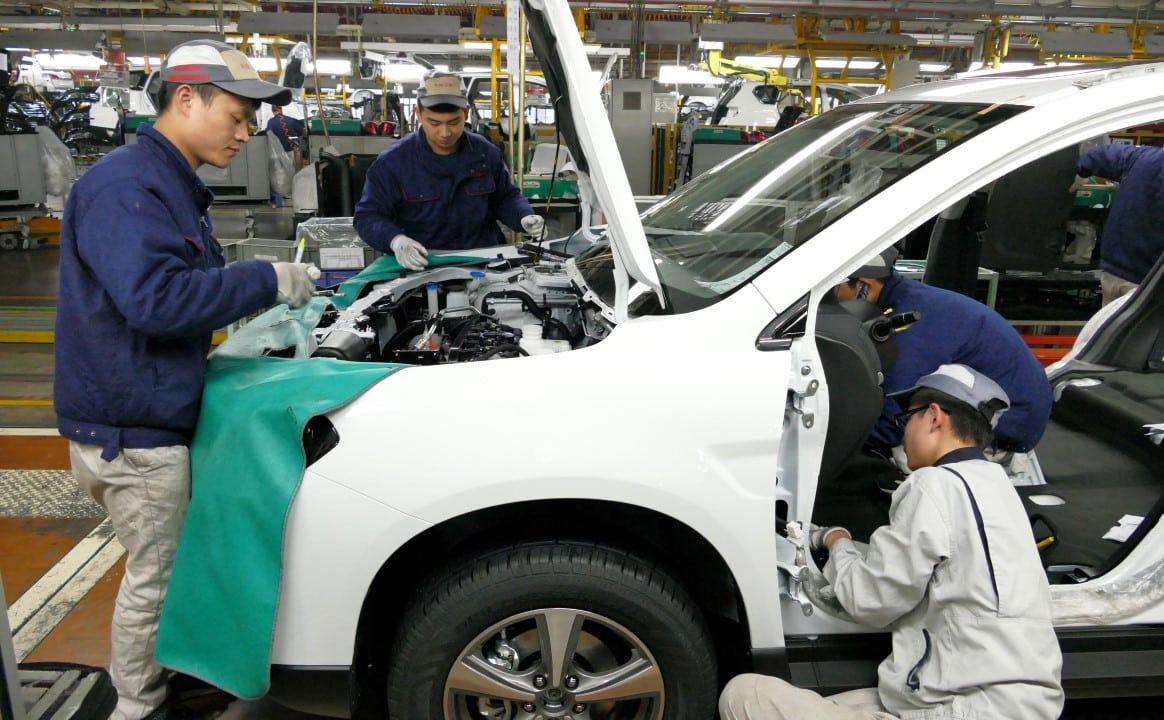
Models that historically carried European engineering and manufacturing in their DNA now arrive at the ports of the old continent from factories located thousands of kilometers from their original headquarters. The strategy allows automakers to maintain competitive prices at dealerships, even in the face of global inflation and the high costs of transitioning to electric mobility.
The industrial relocation movement ranges from entry-level vehicles to premium segments, demonstrating that the quality of manufacturing in these new bases has reached the rigorous standards required by European customers. As a result, the geography of automotive production is disconnected from the origin of the brand, creating a scenario where financial efficiency dictates the location of factories.
The industrial rise of the Marrocos
The Marrocos has established itself as a robust and indispensable production base for the automotive market, attracting heavy investments from conglomerates seeking to optimize their financial balance sheets without compromising the final quality of the product delivered to the customer. The geographical proximity to Europa and favorable trade agreements made the country a magnet for assembly lines that previously operated on European soil.
A clear example of this success is the Dacia Sandero, one of the best-selling cars at Europa, whose main manufacturing base is located in Moroccan territory. The efficiency of local factories allows this vehicle to maintain an extremely competitive price at European dealerships, a decisive factor in its sales leadership in several markets on the continent.
Another emblematic case is the Peugeot 208, a popular model whose production was mostly transferred to African factories. Essa maneuver allowed the Stellantis group to increase its profitability, taking advantage of the industrial capacity in the north of África as a natural extension of its operations, guaranteeing continuous and economical supply to the European market.
The strategic role of África of Sul
África of Sul also plays a crucial role in this new global order of automotive production, especially for German brands that have found the country a highly efficient export platform. The region has established itself as a sophisticated manufacturing hub, capable of delivering vehicles with high added value and technological complexity.
The BMW factory in Rosslyn is an example of adaptation to global demands, operating at full capacity to meet the need for the X3 model. The SUV segment, which continues to grow at Europa, depends significantly on units shipped from this production line, demonstrating that geographic distance is overcome by technical competence and advantageous operating costs.
At the same time, Volkswagen uses South African infrastructure to produce Polo, focusing on exports to the main consumer markets. Essa strategy allows German automakers to balance their logistics and personnel costs, maintaining competitive models in the compact segment, where profit margins tend to be tighter.
Chinese dominance and record numbers
While África strengthens its position as a manufacturing base for Western brands, China reaffirms its status as the largest automotive powerhouse on the planet. The most recent data indicates that annual production in the Asian country has surpassed the mark of 34 million units, which represents more than a third of all cars manufactured in the world.
This monumental scale of production gives China unprecedented influence over global vehicle flows. The country has maintained global leadership for 17 consecutive years, registering robust growth in both domestic sales and export capacity, surpassing traditional competitors such as Estados Unidos and Japão.
In the European context, the presence of vehicles manufactured in China becomes increasingly common, regardless of tariff barriers or discussions about subsidies for electric cars. The market share of automakers using the Chinese industrial base fluctuates between 6% and 8%, driven by their unmatched ability to absorb costs and maintain aggressive prices.
Impacts on the economy and the European market
The concentration of production in specific hubs in China, Estados Unidos and Japão redrawn the economic map of the sector. The China alone holds a share of more than 30% of global manufacturing, creating a gap in relation to its competitors, with the Estados Unidos producing around 10 million units and the Japão around 8 million.
For Europa, this disparity results in an increasing dependence on imports to satisfy domestic demand. The trade imbalance in the automotive sector reflects a structural dependence on regions with lower production costs, which generates debates about industrial sovereignty and the maintenance of jobs on the continent.
For European automakers, the balance between maintaining local operations and expanding business abroad is delicate. The transfer of production lines is seen as inevitable to ensure financial survival and price competitiveness in a mature market, even if this entails logistical challenges and geopolitical discussions about the origin of products.
Projections indicate that integration between Chinese production growth and African hubs will continue to deepen in the coming years. The industry is moving towards a scenario where the nationality of the brand says little about the real origin of the vehicle. The standardization of global quality has allowed the Moroccan sun and Chinese assembly lines to become the cradle of millions of automobiles whose final destination will continue to be the garages of Europa.



