
Drivers will be able to mirror videos on the dashboard via CarPlay with a parked vehicle after Apple update


Apple has implemented a significant change in its automotive ecosystem, allowing for the first time the playback of video content directly on the dashboard of compatible vehicles. The functionality, which arrives integrated into the iOS 26 operating system, meets a long-standing demand from users looking for more in-flight entertainment options. The feature uses AirPlay technology to transmit images from the iPhone to the car’s central screen, but operates under restricted conditions to ensure the integrity of occupants and traffic safety.
Safety and operating protocols
The system was designed with strict security locks that prevent the video from working while the car is in motion. Para release the image, the software requires confirmation that the vehicle is completely stopped, communicating directly with the speed sensors and the parking brake system. Caso the driver starts moving or engages a driving gear, the visual transmission is immediately cut off, leaving only the audio active in the car’s speakers.
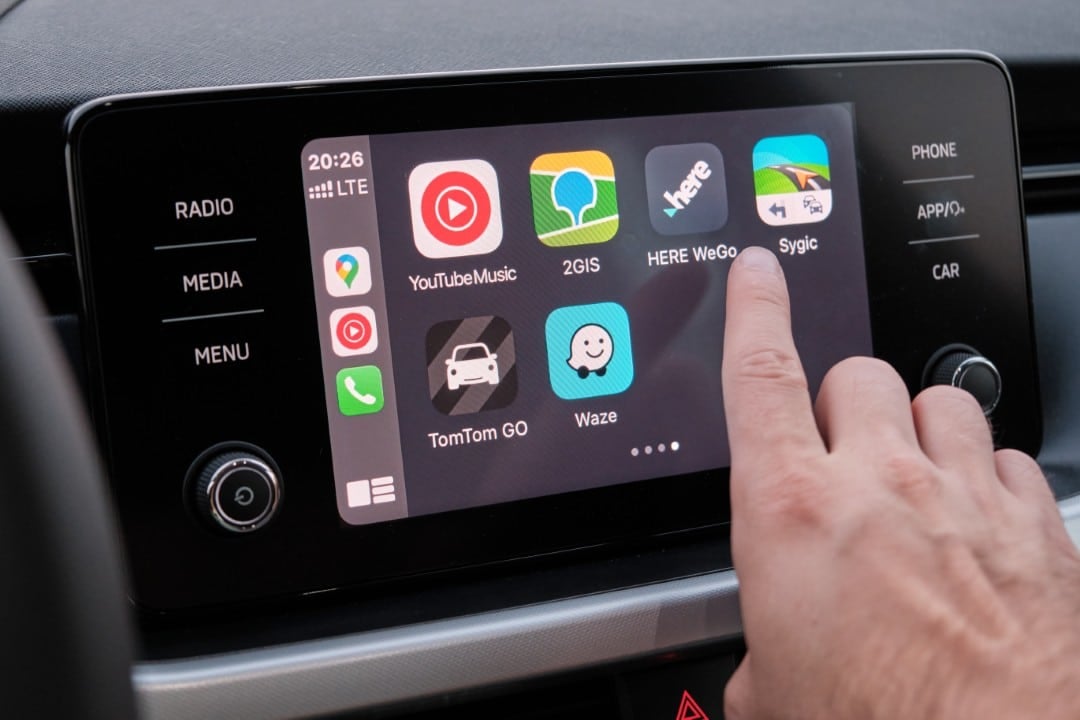
This approach aims to eliminate visual distractions that could compromise the driver’s attention on public roads. The technology differentiates slow traffic situations, such as traffic jams, from times when the car is actually parked in a safe place. The objective is to transform the waiting time in the vehicle into a media consumption experience, without violating current traffic regulations.
Technical integration and new possibilities
The update requires app developers to adjust their code to support the new in-vehicle display mode. Integration does not occur automatically for all streaming services; Automotive interface-specific guidelines must be implemented to ensure content is rendered correctly on dashboard screens. The connection uses advanced data transfer protocols, ensuring synchronization between audio and video without noticeable latency.
- The feature benefits electric car owners during battery recharging time at public stations.
- Parents and drivers waiting for passengers at schools or airports gain a new leisure option.
- The quality of the display depends on the screen resolution installed by the car manufacturer.
Impact on the automotive market
The introduction of video on the dashboard reinforces the trend of transforming car interiors into digital living spaces. With the increase in high definition screens in recent releases in the automotive industry, the ability to mirror films and series becomes an important competitive differentiator. The measure also aligns the technology giant’s system with the entertainment offerings already present in some native systems from luxury automakers.
Experts point out that this evolution in automotive software sets the stage for a future where vehicle automation will be more present. As cars take on more driving duties, occupants’ focus tends to migrate from the road to interior screens. However, in the current scenario, the priority remains active safety, with visual entertainment restricted exclusively to moments of total stoppage.
The feature’s compatibility extends to several models that already support wireless or cable connection with the smartphone. Updating the cell phone’s operating system is the first step to enabling the function, but final availability may vary depending on the hardware specifications of each vehicle’s multimedia center.



