
Early success of Toyota’s new hybrid SUV causes queues and requires assembly line adjustments

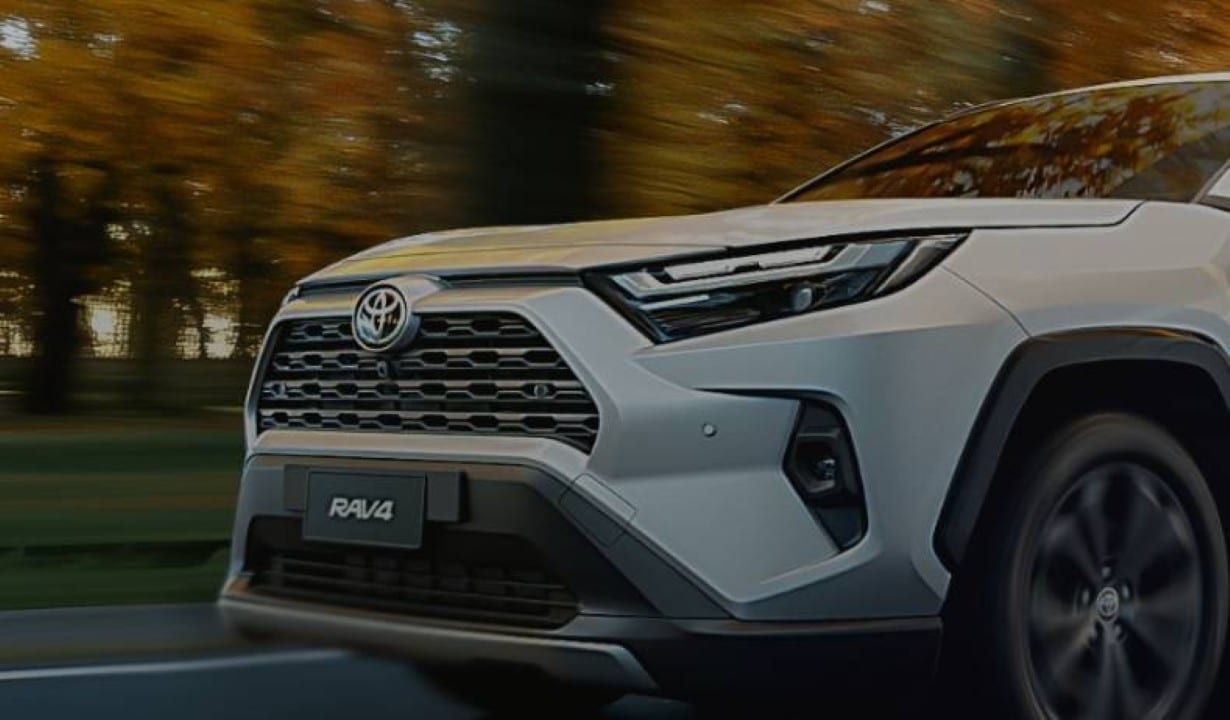
The global automotive scenario faces a new logistical challenge driven by the high demand for vehicles that combine energy efficiency and versatility. Concessionárias of
This strategic transition, although aligned with global sustainability trends, created an immediate bottleneck in the supply chain. The need for specific components for electric motorization, especially high-capacity batteries, generated waiting lists even before the official large-scale launch. The Japanese automaker is working to calibrate its assembly lines and meet the volume of orders that exceeds initial projections for the medium SUV segment.
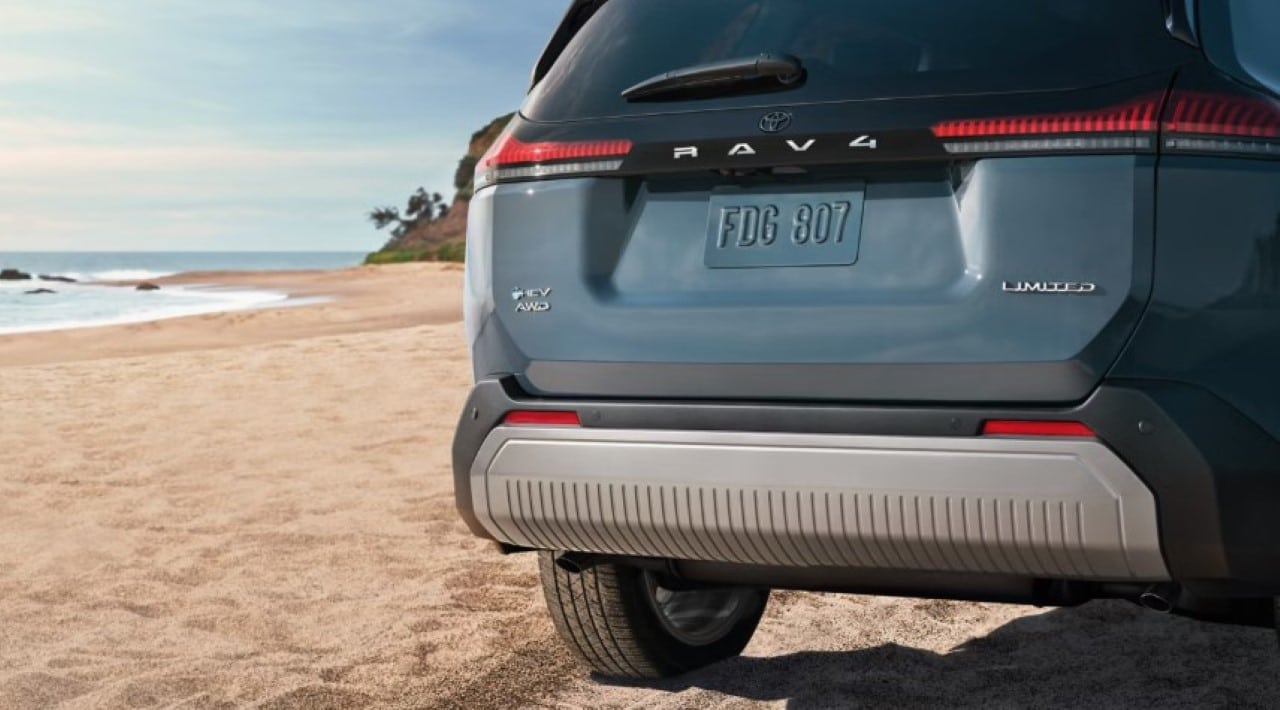
Change in engineization and impact on production
The decision to standardize the hybrid engine in all versions of the sports utility vehicle represents a milestone in the history of the model, which has established itself as one of the best-selling cars in the world. By eliminating the pure gasoline option, the manufacturer simplified the portfolio, but increased the complexity of production. Dependence on electrification technology suppliers has become critical to ensuring delivery deadlines are met.
Engineers and logistics managers face the task of balancing the supply of semiconductors and power cells with the final assembly of chassis. The pent-up demand for vehicles that offer lower fuel consumption accelerated the search for the new model, creating a scenario where current production capacity does not keep pace with eager buyers. The adjustment in factories aims to prioritize incoming versions to guarantee volume, while more complete configurations may have extended deadlines.
For consumers, this reality means planning purchases in advance. The expectation is that the normalization of inventories will occur gradually as the supply chain adapts to the new standard of 100% electrification of the model fleet. The strategy, although risky in the short term due to queues, positions the vehicle competitively against rivals that still divide their attention between thermal and electric engines.
Technical specifications and energy efficiency
The great attraction that justifies consumers’ wait lies in the efficiency figures presented by the new generation. The mechanical package has been optimized to deliver an economical driving experience without sacrificing everyday usability. The system combines a 2.5-liter engine with two electric motors, resulting in a combined power estimated at 169 horsepower, focused primarily on fuel economy and reducing emissions.
Preliminary tests and published data indicate that the model can achieve an impressive average consumption:
– Rendimento approximately 18 km/l (43 mpg) in mixed cycle.
– Autonomia total that can overcome the 1,000 km barrier with a single tank.
– Tanque of fuel with a capacity of approximately 55 liters.
– Sistema all-wheel drive on demand, activated by electric motors.
This extended autonomy is a decisive factor for families who use the vehicle for both urban traffic and long-distance trips. The ability to travel more than a thousand kilometers without the need for refueling puts the SUV in a prominent position in the market, eliminating the “range anxiety” common in purely electric vehicles and offering a tangible financial advantage over gasoline competitors.
Functional design and internal space
In addition to mechanics, visual renewal plays a fundamental role in the renewed interest in the utility vehicle. The aesthetics adopted for the new line follow a trend towards straighter and more robust lines, giving a more “square” and aggressive appearance, reminiscent of the brand’s classic off-road vehicles. Essa design choice is not just cosmetic; it maximizes the use of internal space, directly benefiting the occupants.
The interior was designed to comfortably accommodate five adults, with a focus on ergonomics and livability. The trunk offers a cargo volume of approximately 37.8 cubic feet (about 1,070 liters to the roof or similar standard depending on measurement), ideal for family luggage or bulky purchases. The intelligent seating arrangement and cabin architecture ensure that the hybrid system’s battery does not compromise usable space, an important evolution compared to previous generations of hybrids.
The onboard technology also received updates, with more agile infotainment systems and improved connectivity. However, the main focus remains on durability and functionality, characteristics that have historically ensured the model’s high resale value. The perception of robustness, combined with fuel economy, creates a value package that justifies the higher initial investment compared to sedans or compact SUVs.
Prices and market positioning
The pricing of the new model reflects the added technology and natural inflation in the automotive sector. The entry price into the North American market, which serves as a reference for global trends, remained at around 30,000 dollars, a competitive figure considering that it is a series hybrid vehicle. The most equipped versions, with premium finishes and a panoramic roof, can exceed $50,000.
Market analysts point out that, even with the price increase compared to the basic combustion versions of the past, the long-term cost-benefit is favorable. The fuel savings and less maintenance of the hybrid system (which saves brakes and the thermal engine) make up for the initial difference. Além Furthermore, strong demand suggests that resale value will remain high, protecting the buyer’s equity.
The competition closely watches Toyota’s movements. The success or logistical setbacks of this launch will dictate the pace of total electrification in other generalist automakers. If the brand manages to overcome production challenges and reduce queues in the first few months, it will further consolidate its leadership in the medium SUV segment, proving that consumers are ready to abandon pure combustion in favor of hybrid efficiency.



