
Federal agency investigates collision of Waymo self-driving car with student in California school zone

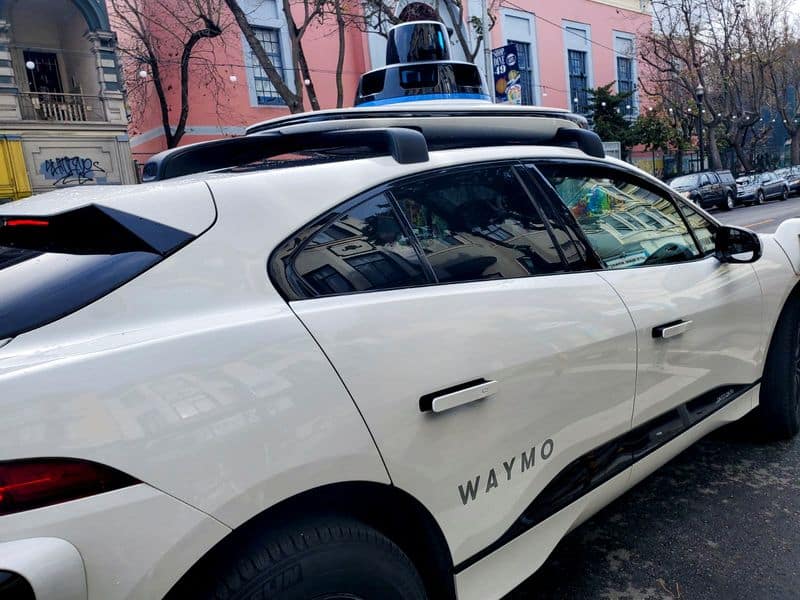
Estados Unidos road safety authorities have begun a preliminary assessment following an incident involving a driverless vehicle and an underage pedestrian on the west coast of the country. The episode, recorded on January 23, 2026, occurred during school entrance hours in the city of Santa Monica. The case reignited debates about the coexistence between vehicle automation technologies and vulnerable pedestrians in busy urban areas.
The child involved suffered minor injuries and managed to get up immediately after contact, walking to the sidewalk without the need for immediate immobilization. The car, which operated with a fifth-generation autonomous driving system and without a human supervisor on board, detected the presence of the pedestrian and applied the brakes before the collision. The company responsible reported the incident voluntarily to federal regulators on the same day, collaborating by providing telemetry data.
Incident dynamics and system reaction
Relatórios initials indicate that the accident happened on a road where several cars were stopped in a double queue for students to disembark. The victim would have suddenly appeared behind a parked SUV, running towards the school, which drastically reduced the available response time. The autonomous system identified the movement and reduced the speed from approximately 27 km/h to less than 10 km/h at the moment of impact.
Waymo, the fleet operator, argues that the technology reacted faster than the human average designed for similar situations. Segundo internal analysis by the company, a conventional driver would probably have hit the child at a speed exceeding 20 km/h, which could have resulted in more serious injuries. Após the collision, the vehicle remained immobilized at the scene until it received police authorization to be moved to the side of the road, following emergency protocols.
Scope of regulatory investigation
National Highway Traffic Safety Administration (NHTSA) focuses its research on analyzing software behavior in school environments. The objective is to determine whether the vehicle exercised appropriate caution when traveling through an area with the obvious presence of children and irregular traffic. The agency seeks to understand whether risk prediction algorithms need adjustments to better deal with visual occlusion situations, where pedestrians may appear from blind spots created by other vehicles.
The results of this assessment could directly influence operating standards for robotaxis throughout the United States. The analysis covers not only emergency braking, but also the cruising speed adopted in school zones and the ability to anticipate dangers. Federal monitoring of autonomous technology has intensified as commercial fleets expand their footprint into complex residential neighborhoods.
Other events under analysis
Além of the case in Santa Monica, the company’s fleet faces scrutiny for other recent incidents. Em Los Angeles, a vehicle collided with parked cars near a stadium, although the company claims that on that specific occasion the car was under the manual control of an employee. Não injuries were reported in this episode, which only resulted in material damage.
In the state of Texas, separate investigations are investigating allegations that autonomous vehicles are violating mandatory stopping laws for school buses. The Austin school district reported multiple instances where cars failed to stop while picking up and dropping off students, leading to calls for temporary suspension of operations on those specific routes. The National Transportation Safety Board (NTSB) also monitors these developments to issue safety recommendations.




