
High demand for Toyota’s new hybrid SUV generates queues and challenges global production

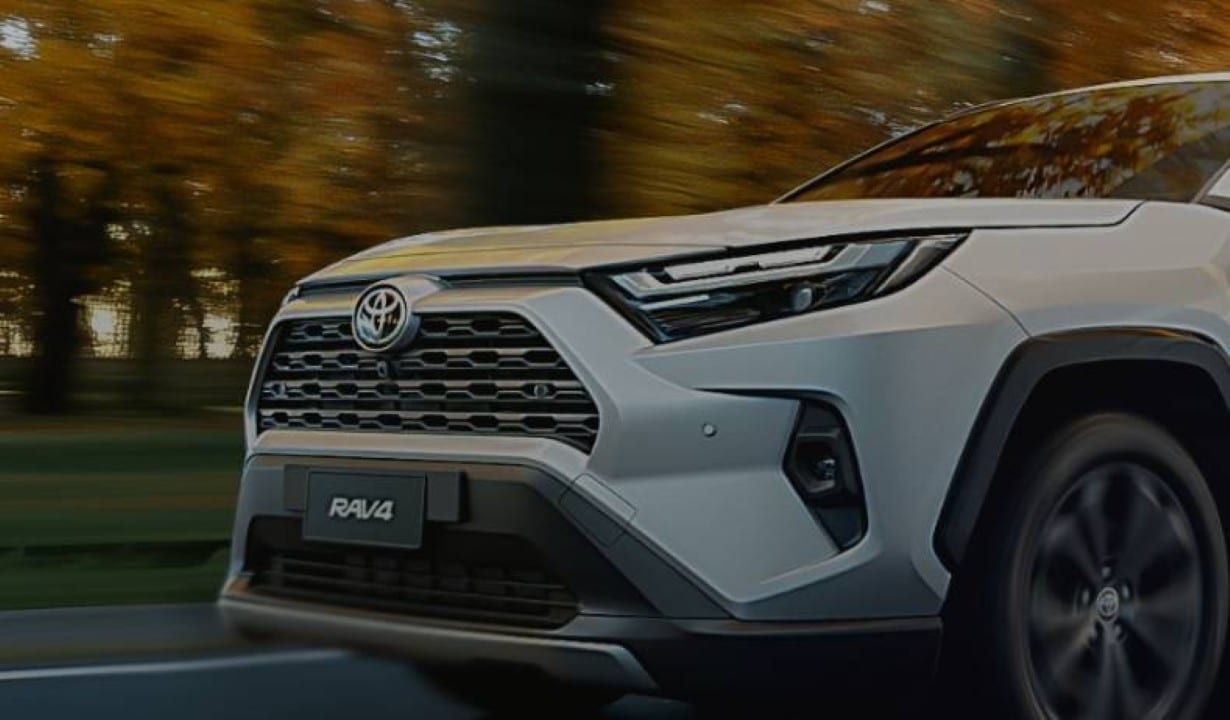
The global automotive scenario faces a new logistical bottleneck caused by the immediate success of one of the most anticipated launches of the year. Concessionárias in several strategic markets report practically zero stocks for the 2026 line of the Japanese automaker’s best-selling SUV, following the company’s decision to make the model exclusively hybrid. The strategy, designed to meet emissions standards and the demand for energy efficiency, resulted in demand that far exceeds the factories’ current delivery capacity.
Consumers interested in purchasing the vehicle are finding empty forecourts and waiting lists that last for months. The transition to a 100% electrified engine eliminated purely combustion versions, concentrating all orders in the supply chain for batteries and electrical components. Essa centralization, although beneficial for simplifying the assembly line in the long term, created an immediate production funnel that the brand tries to solve by adjusting shifts and prioritizing chip allocation for this specific model.
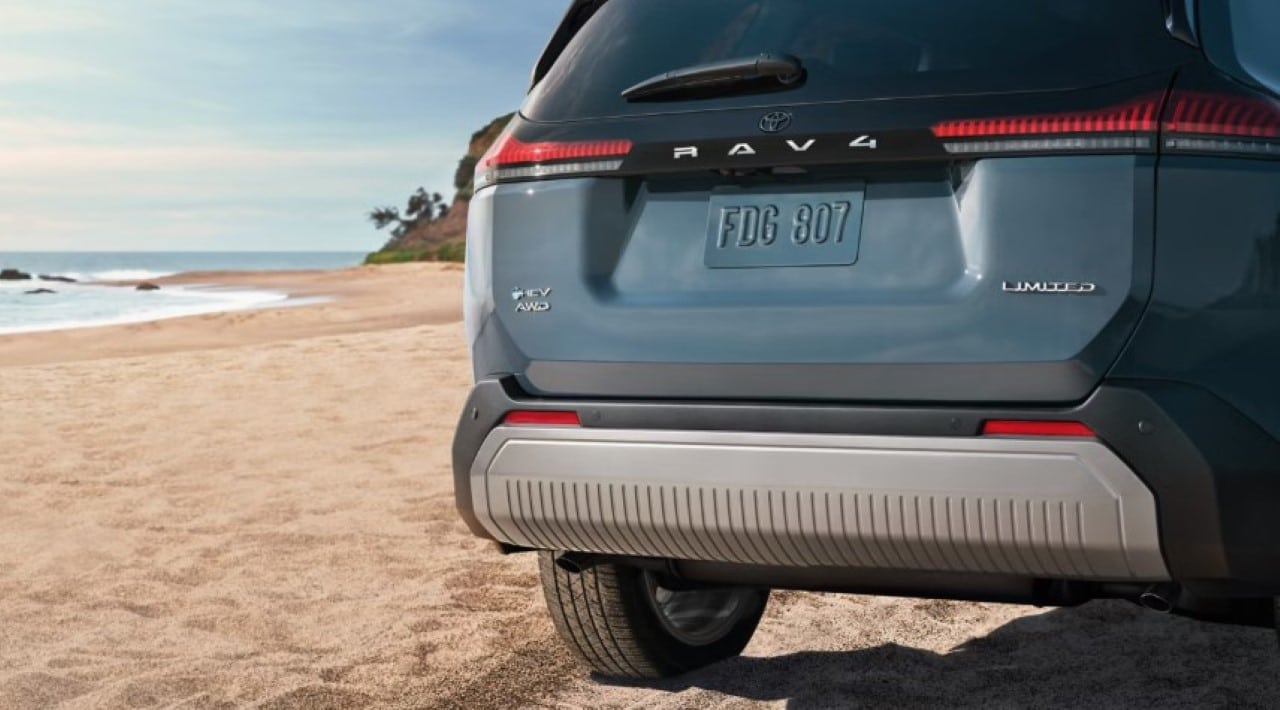
The situation reflects a broader movement in the sector, where public preference has definitively migrated to vehicles that balance extended autonomy and lower fuel consumption. The manufacturer’s bet on removing the gasoline entry option was initially considered risky by analysts, but the market’s response proved that efficiency has become the main purchasing decision factor for the family sports utility vehicle segment.
Challenges in the supply chain and logistics
Manufacturing the 2026 model requires more complex logistical coordination than previous generations. By standardizing the hybrid system across all units, the automaker exponentially increased the need for electric motors and battery packs. The flow of components, which was previously divided between conventional and electrified powertrains, now puts exclusive pressure on hybrid technology suppliers.
Industry reports indicate that the brand has already started conversations with logistics partners to speed up the transportation of critical parts. The objective is to prevent waiting times from discouraging buyers, who could migrate to direct competitors that still have stocks of combustion or hybrid models with a shorter waiting list. Inventory management has become the central focus of operations for the remainder of the fiscal year.
In addition to production, the physical distribution of finished vehicles faces obstacles. The high concentration of orders in specific metropolitan regions created bottlenecks in ground transportation, requiring the company to reevaluate its delivery routes to ensure that resellers with the highest pre-sales volume are supplied as a priority.
Technical specifications attract consumers
The great attraction that justifies consumers’ wait lies in the efficiency figures presented by the new mechanical set. The system combines a 2.5-liter engine with two electric motors, offering an optimized balance between urban and highway performance. Dados of tests indicate that the vehicle is capable of achieving an average consumption of close to 18 km/l, an impressive figure for a car of its size and weight.
Total autonomy is another point that has made customers loyal. With a fuel tank of approximately 55 liters, the SUV has a driving capacity that can surpass the 1,000 kilometer mark with a single fill-up. Essa feature eliminates range anxiety common in purely electric vehicles and drastically reduces the frequency of stops at gas stations, something valued by families who use the car for long trips.
The internal space was also optimized to accommodate batteries without sacrificing comfort. The trunk offers around 1,070 liters of volumetric capacity, maintaining the versatility that made the model famous. The cabin received technological updates, including a 10.5-inch central screen and advanced driving assistance systems, reinforcing the product’s perceived added value.
Impact on prices and market dynamics
The scarcity of available units generated an inflationary effect on retail prices. Embora the initial suggested price is around 30 thousand dollars for the entry-level versions, the average transaction value has surpassed the 50 thousand dollars barrier in many markets, driven by mandatory accessory packages and premiums charged by resellers in the face of high demand.
Experts point out that the model has become a highly liquid asset. Mesmo pre-owned units of the current generation are maintaining high resale values, as buyers who do not wish to wait for a new one to be manufactured end up opting for models available for immediate delivery. Isso creates an appreciation cycle that benefits the brand in terms of image and premium positioning.
The competition is closely watching this movement. Modelos rivals, such as the Honda CR-V Híbrido, appear as natural alternatives to capture excess demand. However, brand loyalty and the Toyota hybrid system’s reputation for durability keep most buyers in line, willing to wait for delivery of the vehicle configured to their preferences.
Outlook for the 2026 model year
The automaker projects that the normalization of inventories will occur gradually over the next few months, as new production shifts reach maximum capacity. The strategy of maintaining full focus on hybridization appears irreversible, signaling the end of the era of purely combustion SUVs within the brand’s main portfolio for developed markets.
The success of this bet validates the energy transition path chosen by the company, which favors conventional hybrid technology as the most democratic and accessible solution for reducing emissions on a large scale before the total migration to pure electric vehicles. The year 2026 will be decisive for consolidating this leadership and adjusting manufacturing capacity to the new consumption reality.



