
Lando Norris responds to Max Verstappen’s harsh criticism of new Formula 1 cars in Bahrain

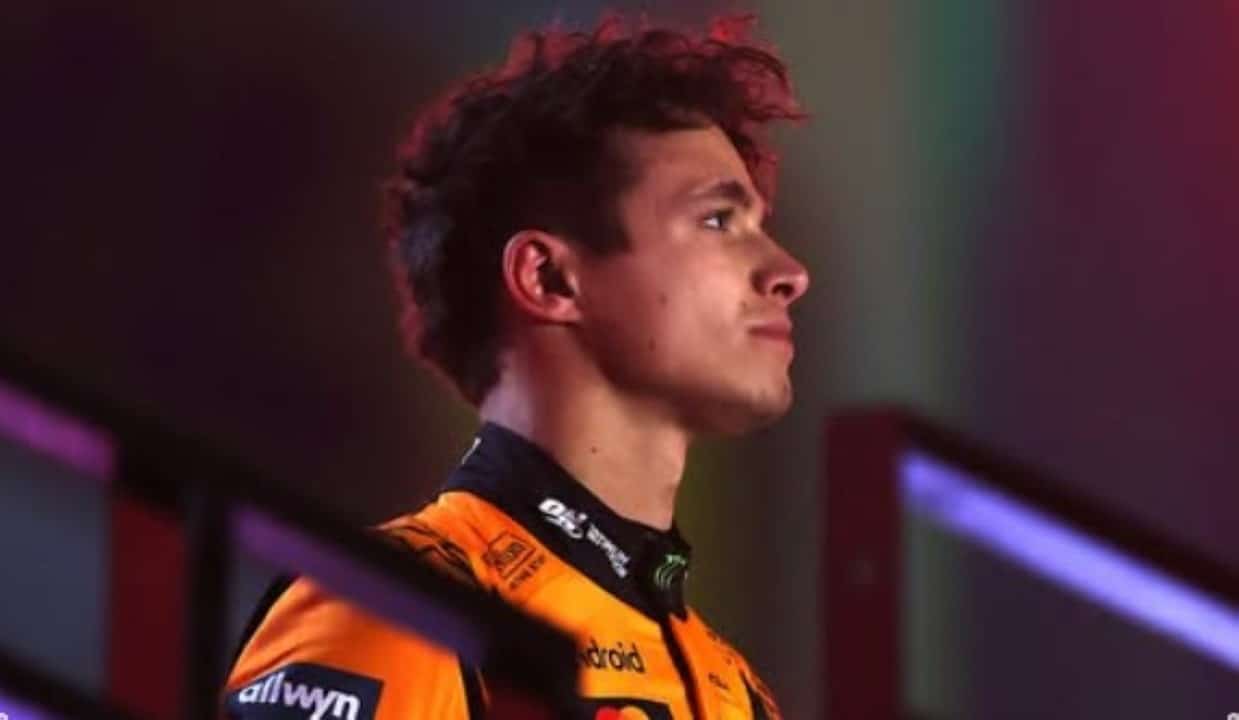
The atmosphere heated up behind the scenes at Fórmula 1 during the first round of pre-season testing held at Circuito of Sakhir, at Bahrein. The current world champion, Lando Norris, did not mince words when rebutting the severe criticisms of
The public divergence between the two main names on the current grid occurs at a time of significant technological transition for world motorsport. The 2026 regulations introduced complex energy recovery systems and aerodynamic changes that drastically altered the driving dynamics. According to the first reports coming from the track, adaptation has been the biggest challenge for teams and drivers in this initial phase of testing in Bahraini territory.
- The new cars use advanced energy recovery systems during braking.
- The dependence on the battery directly impacts the final speed on the straight lines of the circuits.
- Pilots need to manage electrical consumption more aggressively than in previous years.
Verstappen’s statements were acidic and compared the new era of the category with other electric modalities, classifying the vehicles as a technical setback. The Dutchman expressed that the excessive focus on energy efficiency undermines the pleasure of driving at the limit, something he considers the essence of competition. Para the four-time champion, the need to adjust the driving to save battery charge mischaracterizes what is expected from a cutting-edge car.

Norris defends fun behind the wheel and suggests a focus on professionalism
Lando Norris responded to his rival’s comments directly, emphasizing that the changes are part of the cyclical nature of the biggest category in world motorsport. The British driver stated that he had fun during the testing sessions and that the constant complaints do not match the privileged position occupied by the athletes. Segundo your view, fluctuations in the quality of riding over the years are normal and should not serve as a pretext for excessive negativity.
The current world title holder even suggested that, if discontent is so deep, retirement would be a viable option for any dissatisfied competitor. Ele highlighted that no one is forced to remain on the grid and that the high salaries paid by the category should silence complaints about the technical complexity of the equipment. Norris believes that technological evolution is inevitable and that the most talented pilots will find ways to extract performance even in challenging scenarios.
Criticisms of Verstappen focus on energy management and loss of performance
The core of Max Verstappen’s discontent lies in the way power is delivered on the straights, citing episodes where the energy runs out before the braking point. Ele described the experience as “Formula E on steroids”, indicating that systems management now trumps the pure ability to negotiate corners at high speed. The Dutchman detailed that the impact of energy control on general performance is, in his view, excessive and frustrating for those looking for traditional riding.
The complaint about the low grip of the new tires and the current aerodynamic configuration was also a central point in the Red Bull Racing driver’s speech. Ele argues that the sport is becoming a competition of efficiency and resource management, moving away from the DNA of constant top speed. Verstappen reaffirmed that he prefers “normal” driving, without the constant interference of systems that change the car’s behavior depending on how the gear is reduced or increased.
- Mechanical grip was reported to be inferior to models used last season.
- The “lift and coast” system may become necessary even in fast qualifying laps.
- The battery of hybrid engines runs out prematurely on circuits with long straights.
Other pilots express concerns about technical complexity
The critical voices were not limited to the Red Bull box, with Lewis Hamilton also expressing discomfort with the new Federação Internacional and Automobilismo guidelines. The seven-time champion, now defending the colors of Ferrari, classified the rules as “ridiculously complex”, joining the chorus of those who see difficulties in operating the new systems. Hamilton pointed out that the integration between the combustion engine and the electrical part requires a mental effort that can saturate the driver during the race.
Andrea Kimi Antonelli, young promise of Mercedes, reinforced the thesis that energy management will be the determining factor for success in 2026. Essa collective perception suggests that the pre-season in Bahrein served to expose a significant gap between the technical project and the expectations of elite athletes.
Norris bets on rapid evolution and adaptation of teams throughout the year
Despite the pessimism of some professional colleagues, Lando Norris maintains an optimistic view about the immediate future of the season and the development of the cars. Ele argues that the beginning of any new regulation is marked by strangeness and that the speed of development in Fórmula 1 is unparalleled. Para the British, by the end of the first year of the rules, the cars will be substantially faster and more refined than what is seen now in Sakhir.
The McLaren driver recalled that, if these were any current driver’s debut cars, they would be considered incredible, technological machines. Comparison with models from previous years can distort the perception of the quality of the current equipment, which is still in the embryonic stage of adjustment. Norris emphasized that the challenge of taming a skittish and complex car is, in fact, one of the most rewarding parts of his professional career as an elite driver.
Aerodynamic challenges and high-speed stability on the Sakhir track
Tests at Bahrein revealed that the 2026 cars are more “skittish” and prone to track escapes, as noted by Gabriel Bortoleto. The new aerodynamics, designed to facilitate closer pursuits, appear to have sacrificed some of the stability that drivers have been accustomed to over the past three seasons. Esse behavior requires constant corrections on the steering wheel, increasing physical wear and tear and the margin for error during long sessions.
Instability is particularly notable in high-speed corners, where airflow over moving surfaces does not always deliver the required pressure in a predictable manner. Engenheiros from several teams are working double shifts to process the collected data and find a balance between aerodynamic drag and lift. The objective is to minimize energy losses on the straights without compromising the ability to negotiate curves, a technical puzzle that will define the championship hierarchy.
- Teams look for software solutions to optimize the flow of electrical energy.
- The cars’ suspension has been adjusted to handle the new weight distribution of the batteries.
- Cooling hybrid components has become a priority due to high desert temperatures.
- New tire compounds are being tested to compensate for the loss of downforce.
Expectations for the official opening of the season and fan reactions
With the end of the first battery of tests, the focus turns to the final adjustments before the first Grande Prêmio of the year, also in Sakhir. The controversy between Norris and Verstappen adds extra spice to the rivalry that was already being built in the last title disputes. Sports fans are divided between those who support sustainable technological modernization and those who call for the return of mechanical simplicity and louder engines.
Federação Internacional of However, the official stance so far is to maintain the original plan, trusting in the creative capacity of the team’s engineers. The dispute between the pragmatic vision of Norris and the purist approach of Verstappen promises to be one of the major themes that will accompany the category throughout the season.
Technical discussions about the hybrid engine and the thermal and kinetic energy recovery system will continue to be the center of attention at team boss meetings. Enquanto to Red Bull tries to adapt its design concept to the requirements of Verstappen, McLaren seems more comfortable with the direction taken by the regulators. The definitive answer as to who is right will only come when the lights go out for the first official start, revealing the true potential of these new machines.
Until then, the exchanges between pilots serve to increase public engagement and keep Fórmula 1 at the center of global conversations. The clash of opinions between the current champion and the four-time champion reflects the natural tension of an era of profound change. Whether the cars of 2026 will be remembered as a necessary revolution or a step backwards, only time and the stopwatch can tell with absolute precision.





