
Samsung’s thermal innovation in the Exynos 2600 chip eliminates the use of fans in high-performance cell phones

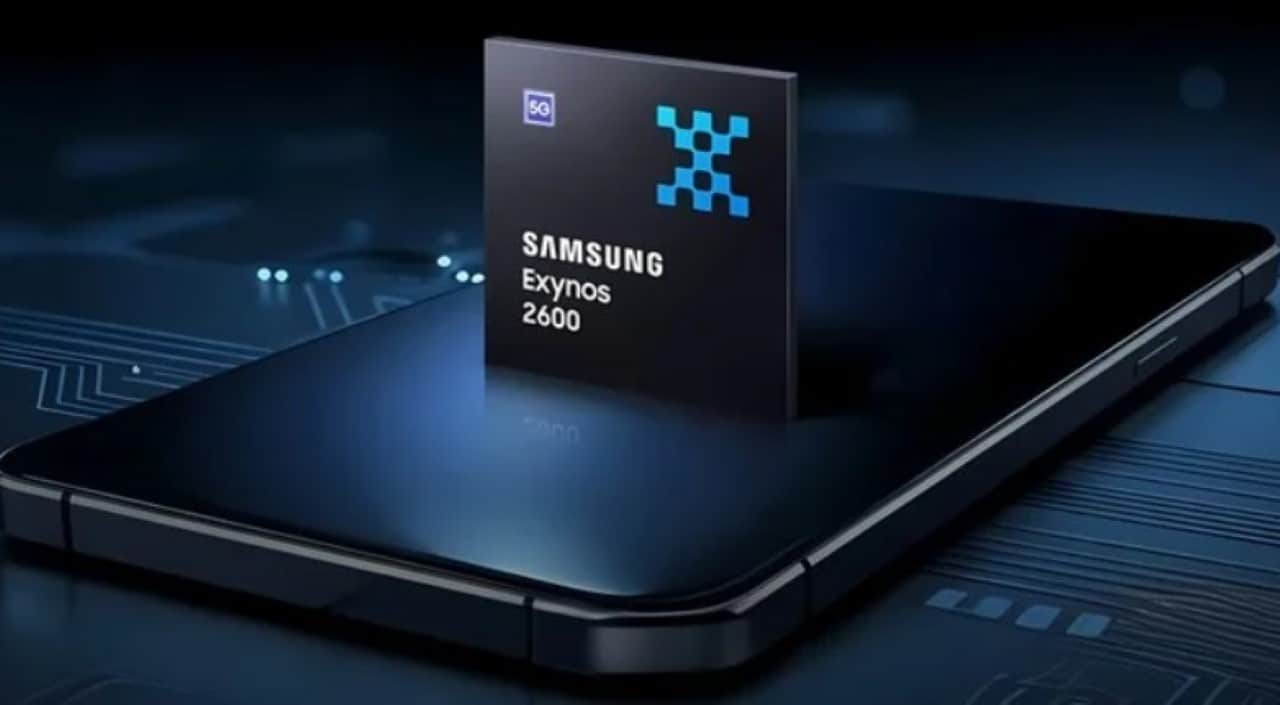
The semiconductor industry is witnessing a relevant technical advance with the introduction of the Heat Pass Block (HPB) technology by the Samsung, integrated into the Exynos 2600 processor. The development aims to solve one of the biggest bottlenecks in modern mobile devices, allowing smartphones to maintain high performance without the need for noisy mechanical components such as cooling fans.
Thermal engineering details
The operation of HPB is based on the internal reorganization of the components of the processor package, overcoming limitations of traditional designs where the DRAM memory partially blocked the thermal output. The implementation of an integrated copper heatsink creates a direct, low-resistance path for heat, facilitating its expulsion before it affects the core of the system.
New leaked Snapdragon 8 Elite Gen 6 Pro (SM8975) Diagram shows the new “HPB — Heat Path Block”
High Performance with High Heat dissipation.
Samsung revealed a 30% Heat Dissipation improvement with thermal resistance reduction by 16% to run stable at high Frequencies.pic.twitter.com/yymbqZ8cZG
— TECH INFO (@TECHINFOSOCIALS)February 12, 2026
Technical data indicates that this configuration reduces thermal resistance by approximately 16% compared to previous generations, with practical scenarios indicating improvements that could reach 20%. Essa extra efficiency is crucial for the 2 nanometer lithography used to manufacture the component, ensuring stability even in reduced physical dimensions.
Benefits for sustained performance
The thermal management capacity of the Exynos 2600 allows the processor to operate at high frequencies for longer periods, something essential for the mobile gaming market and artificial intelligence applications. Preliminary Testes indicate that the performance cores can reach the 5 GHz mark without suffering from “thermal throttling”, a mechanism that reduces the chip’s speed to prevent overheating.
For end users and technology enthusiasts, adopting this architecture brings immediate practical advantages in daily use:
– Operação completely silent due to the absence of mechanical fans;
– Dispositivos with reduced thickness and more ergonomic design;
– Maior energy efficiency in tasks with high graphic demands;
– Estabilidade frames per second in long gaming sessions.
Impact on the market and competition
Samsung’s strategy of investing in advanced passive cooling puts pressure on other chip manufacturers, such as Qualcomm and MediaTek, who are also looking for solutions to the heat generated by increasingly powerful processors. Eliminating active fans not only simplifies the internal construction of devices, but also reduces points of mechanical failure and internal dust accumulation.
Smartphone models aimed at gamers, which traditionally relied on active and bulky cooling systems, may undergo a significant design transformation from 2026 onwards. HPB technology signals a trend where thermal efficiency is integrated into the silicon itself, making external or internal ventilation accessories obsolete for the vast majority of use cases.



