
Toyota RAV4 debuts flex hybrid engine in Brazil in 2026 and abandons gasoline-only versions


The sixth generation of the world’s best-selling sports utility vehicle is ready to arrive on the national market, bringing profound strategic changes. The Japanese automaker confirmed that the new model will reach Brazilian dealerships in the first half of this year, definitively eliminating options powered exclusively by combustion to focus on a 100% electrified portfolio and aligned with new global sustainability demands.
Flex hybrid technology and energy efficiency
The big mechanical difference for the local consumer is the implementation of hybrid flex technology, which allows the use of ethanol in conjunction with the electrical system. Equipado with the fifth generation of the
Preliminary tests indicate an improvement of approximately 15% in fuel consumption in the urban cycle, consolidating energy efficiency as the central pillar of the project. Além In addition, acceleration from 0 to 100 km/h was reduced by around half a second, demonstrating that the search for economy did not sacrifice the vehicle’s dynamic performance.
For the plug-in hybrid configuration (PHEV), which allows external recharging, the autonomy in 100% electric mode broke the 100 kilometer barrier. Essa evolution allows the vast majority of daily journeys to be carried out without the need to activate the combustion engine, while the E-Four all-wheel drive system has been recalibrated to offer greater grip on slippery terrain.
Visual renewal and identity
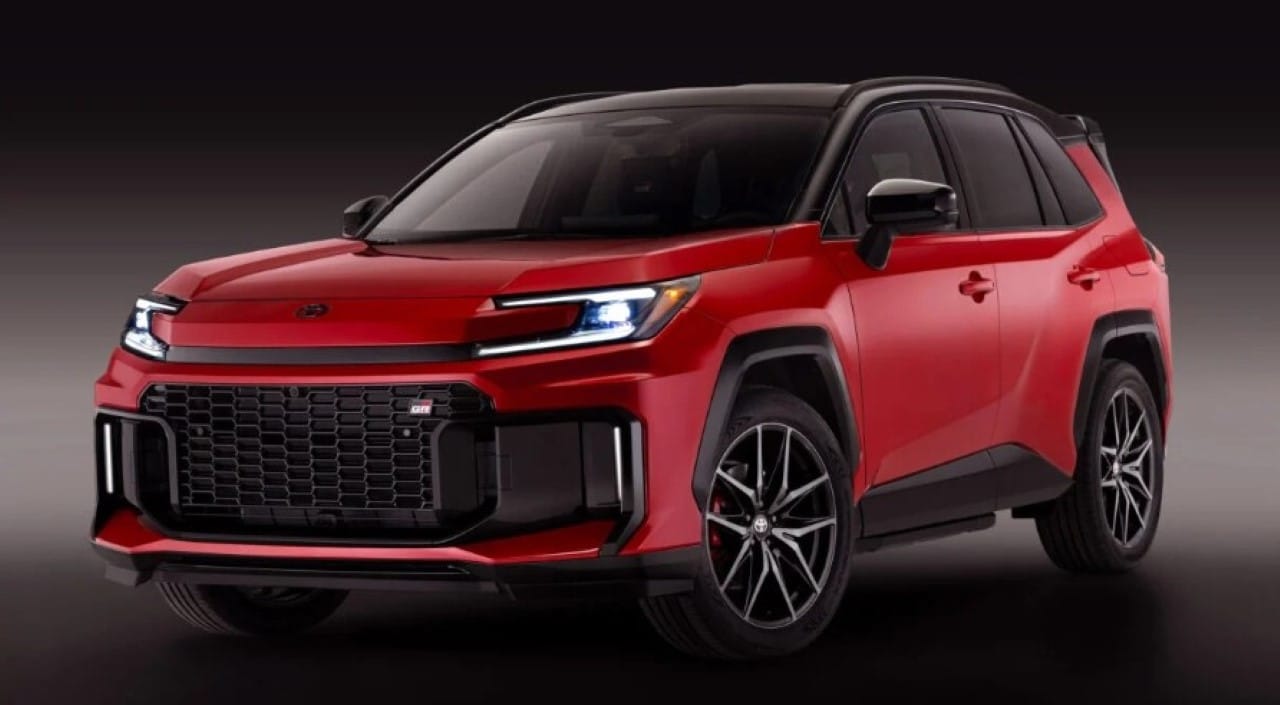
Aesthetically, the SUV adopts the design language known as “Hammerhead”, already seen in recent launches of the brand such as the Prius and the Crown line. Essa visual identity gives the vehicle a more aggressive and aerodynamic appearance, marked by a conical front optical assembly that integrates with a redesigned grille, while the LED headlights adopt a “C” shape for a modern light signature.
The side lines have become more fluid and muscular, abandoning the traditional utilitarian look in favor of a more dynamic profile. The design work was not only aesthetic, but also functional, aiming to reduce the aerodynamic drag coefficient, which directly contributes to reducing internal noise at high speeds and saving fuel.
Digital interior and premium finish
The cabin has undergone a complete digital transformation, eliminating most physical buttons in favor of tactile interfaces and voice commands. The highlight is the new multimedia center with a screen of up to 14 inches, which offers wireless connectivity for smartphones and system updates via the cloud, allowing the car’s software to stay up to date without visits to the workshop.
In response to criticism about the finish of previous generations, the automaker invested in soft-touch materials and superior quality coatings. The intention is to compete directly with premium brands, offering a more sophisticated and quieter interior environment, thanks to improved acoustic insulation and optimization of space for rear seat passengers.
Advances in security and market
The active safety package has received significant updates, with sensors capable of detecting pedestrians and cyclists even in low light conditions. Adaptive cruise control has been enhanced with the congestion function, allowing the vehicle to stop and move automatically in heavy traffic, reducing driver stress in large urban centers.
With its arrival confirmed for the first half of 2026, the model will face strong competitors such as the Honda CR-V and Volkswagen Tiguan. The brand’s strategy relies on flex hybrid technology as its main competitive differentiator, taking advantage of the ethanol infrastructure already consolidated in the Brasil to offer a low-emission solution without exclusive dependence on electric chargers.



