
Xiaomi plans to deliver more than half a million electric cars driven by the success of the YU7 SUV

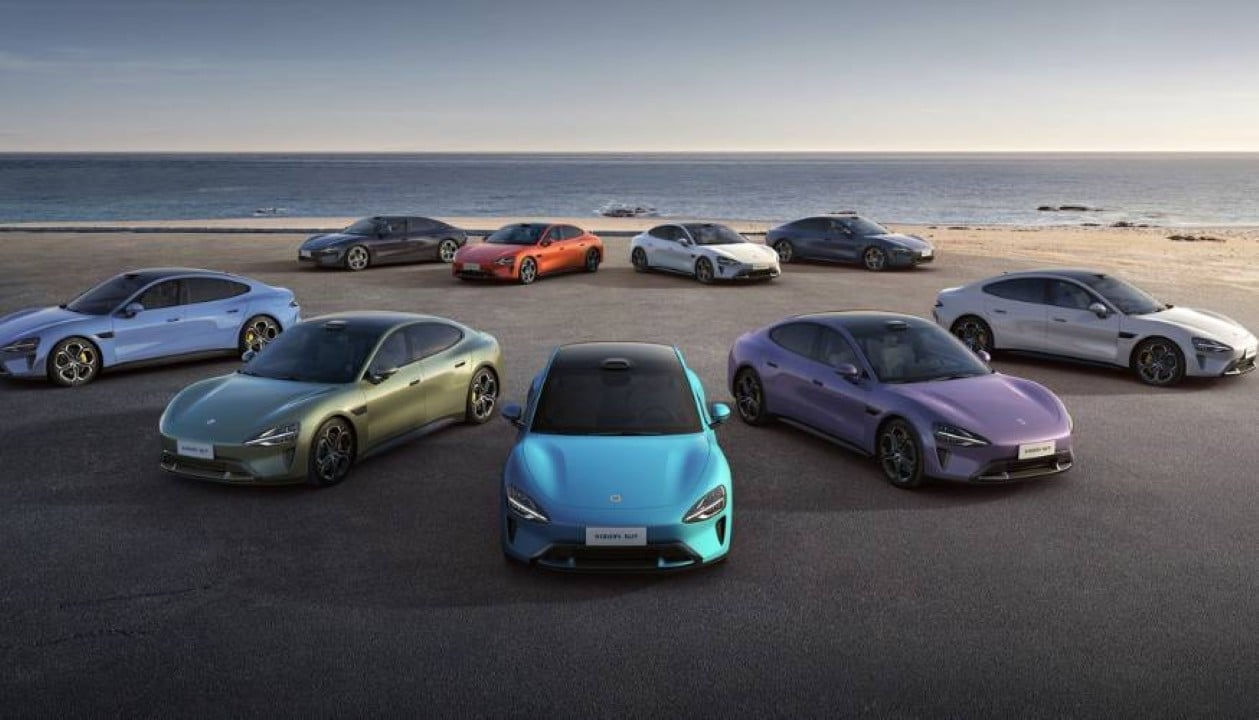
The technology giant intensifies its presence in the automotive sector by defining a new and aggressive commercial objective for the current year. The company intends to make 550,000 vehicles available to consumers, supported by the robust performance recorded in the previous cycle, when it exceeded initial market expectations and consolidated its industrial operation.
This goal represents significant growth in relation to the results obtained recently, reflecting the company’s confidence in the continued demand for its models. The acceleration strategy encompasses not only increasing the volume of deliveries, but also introducing new options into the portfolio to serve different buyer profiles.
Consolidation in the automotive market
The end of last year marked an inflection point for the manufacturer, which totaled 410 thousand units sold. Esse volume considerably exceeded the original projection of 350 thousand cars, demonstrating the brand’s rapid adaptation to the competitive electric mobility scenario and surpassing traditional rivals in specific segments.
December was a decisive month in reaching these numbers, registering the delivery of more than 50 thousand cars in just thirty days. The accelerated pace of distribution reflects the efficiency of the production line at Pequim, which has undergone recent expansions and investments in automation to meet growing demand without compromising final quality.
The portfolio diversification strategy proved to be successful, with the introduction of new models that captured different segments of the Chinese consumer public. The transition from an electronics-focused company to an automobile manufacturer has been facilitated by expertise in supply chains and integrated software development.
SUV performance
The YU7 model emerges as the automaker’s main growth vector at the beginning of the year, leading sales in the electric SUV category. Recent Dados indicate that the vehicle has surpassed direct competitors, such as the Tesla Model Y, in monthly deliveries, consolidating itself as a preferred option in the affordable premium segment.
With prices ranging between 35 thousand and 50 thousand dollars, the utility offers rear or all-wheel drive configurations and high power in the top versions. The market was immediately received, generating a waiting list that required quick logistical adjustments to guarantee supply to dealerships and direct deliveries to end customers.
Line expansion and manufacturing capacity
To support the target of 550,000 deliveries, the company’s industrial infrastructure now operates at maximum capacity, with processes that have reduced manufacturing time per unit. The main plant has already reached the historic mark of half a million vehicles produced, a remarkable achievement for an organization with little experience in the heavy automobile sector.
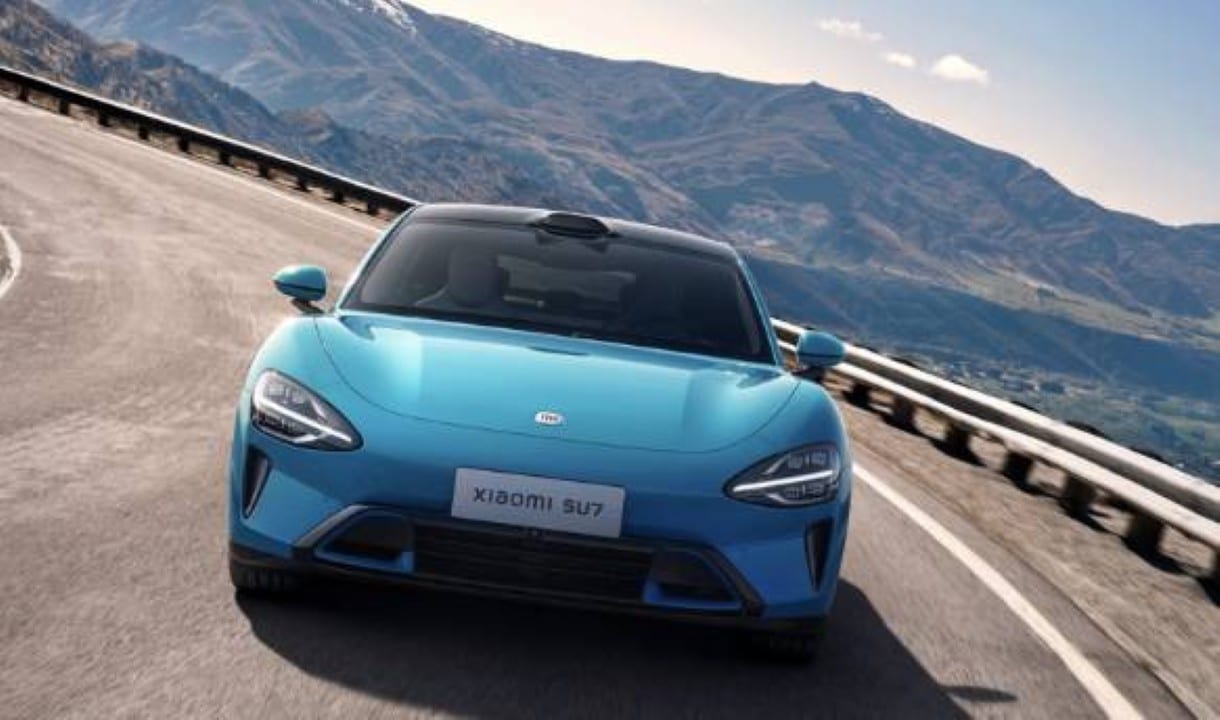
The launch schedule for the coming months includes an unprecedented seven-seater SUV and an executive version of the SU7 sedan. Essas additions aim to fill gaps in the portfolio, offering alternatives for large families and corporate clients seeking technological integration, internal space and superior comfort.
Connectivity remains the major competitive differentiator for the brand’s cars in the Asian market. Native integration with smartphones and smart home systems creates a unified ecosystem that appeals to the company’s loyal customer base, easing the transition from consumer electronics to sustainable electric mobility.
Pricing and competition strategies
The aggressive pricing policy keeps the vehicles competitive against established brands such as BYD and Tesla in the domestic market. The entry-level sedan, positioned below $30,000, serves as a gateway for new EV owners, while high-performance versions, such as the Ultra, challenge luxury sports cars with more than 1,500 horsepower.
Market analysts note that the decline in sales of direct competitors during certain recent periods has opened windows of opportunity that have been readily taken advantage of. The combination of cutting-edge technology, attractive design and cost-benefit has been the formula for gaining market share at China and designing future expansions.



