
Adjustments at the Toyota factory generate waiting lines for the RAV4 Hybrid and the brand recommends other models


The demand for sports utility vehicles continues to rise globally, but consumers interested in purchasing one of the most sought-after models in the segment face a scenario of shortages at dealerships. The strategic decision to transform the production line to exclusively manufacture electrified versions required complex changes on the factory floor, resulting in a momentary mismatch between the automaker’s delivery capacity and the voracious appetite of buyers.
Recent reports from the distribution network indicate that inventories are at historically low levels, a direct consequence of the industrial re-engineering necessary to accommodate new propulsion technologies. Enquanto the Japanese brand works to adjust its processes and speed up assembly, customers are finding it difficult to obtain units for immediate delivery, creating pent-up demand that is expected to last for the next few months.
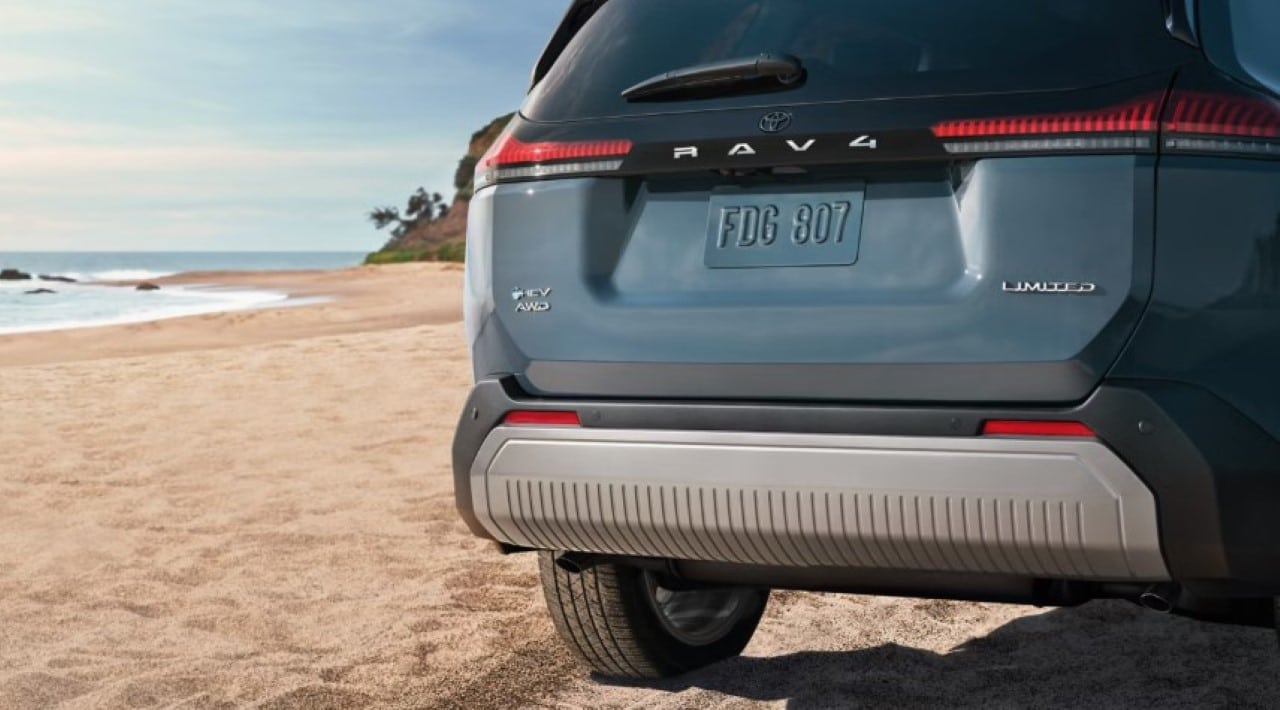
The move to transition to a 100% hybrid fleet reflects an environmental commitment, but brought immediate logistical challenges. The speed of replacement of units sold has not kept up with the pace of orders, generating waiting lines and forcing resellers to adopt new customer retention tactics to avoid migration to direct competitors.
Impacts on the supply chain and logistics
Updating assembly lines for the 2026 cycle is not just a change of components, but involves a complete overhaul of the supply chain. The integration of high-voltage batteries and new energy management systems requires aligned suppliers and precision logistics, which suffered occasional bottlenecks, delaying the arrival of vehicles at sales yards.
Market analysts note that this “production bottleneck” phenomenon is common in major technological shifts, but the popularity of the model in question amplifies the perception of a lack of product. The expectation is that the normalization of the distribution flow will occur gradually, as new industrial tools reach their maximum efficiency and electronic component suppliers stabilize their deliveries.
Technical specifications and energy efficiency
The updated model hits the market with a mechanical package focused on efficiency, combining a 2.5-liter engine with auxiliary electrical systems to maximize fuel economy. Dados Preliminaries indicate that the vehicle is capable of achieving an average consumption rate of close to 18 km/l (43 mpg), significant figures for a vehicle of its size and which justify the high public interest.
In addition to saving on fueling, the vehicle’s total autonomy stands out, being able to exceed the 1,000 kilometer mark with a single tank, depending on driving conditions. Essa feature makes the SUV a robust option for long-distance travel, eliminating the range anxiety often associated with pure electric vehicles and reinforcing the practicality of hybrid technology.
Regarding market positioning, the suggested starting price is around US$31,900, a competitive value when compared to the average price of new vehicles, which today exceeds US$50,000 in several developed markets. Essa aggressive pricing strategy aims to maintain leadership in the segment, even in the face of temporary supply difficulties.
Consumer retention strategies and alternatives
Given the impossibility of responding to all orders immediately, the automaker instructed its dealer network to offer viable alternatives within the brand’s own portfolio. The objective is to prevent frustrated customers from seeking options from other manufacturers, keeping them within the company’s ecosystem through products with similar technologies.
Models such as the Corolla Cross Hybrid and the Camry Hybrid sedan have been presented as immediate solutions for those who cannot wait for stocks to normalize. The Corolla Cross, in particular, offers a similar platform and the same mechanical reliability, serving as a “bridge” for consumers who prioritize hybrid technology and a high driving position.
This tactic of diversifying offerings is crucial to sustaining the company’s market share during the transition period. Ao direcionar a demanda para linhas com maior disponibilidade, a marca consegue manter o fluxo de caixa das revendas e assegurar que a fidelidade do consumidor permaneça inabalada, mesmo diante dos desafios operacionais enfrentados na produção do seu carro-chefe.



