
Airbag failure prompts recall of 270,000 Volkswagen cars in global safety alert


Volkswagen issued an urgent statement calling on owners of approximately 270,000 vehicles around the world for an immediate repair procedure. The measure was taken after identifying a critical failure in the airbag systems, which could compromise the physical integrity of the occupants in the event of a collision. The central problem lies in the degradation of the propulsion components, which can behave unstable over time.
Technical investigations have shown that ammonium nitrate, a chemical substance used to inflate air pockets in fractions of a second, can undergo dangerous changes when exposed to climate variations. The combination of high temperatures and high humidity, acting on the component for years, has the potential to alter the burning properties of the material. Essa unplanned chemical change turns a safety device into a latent risk.
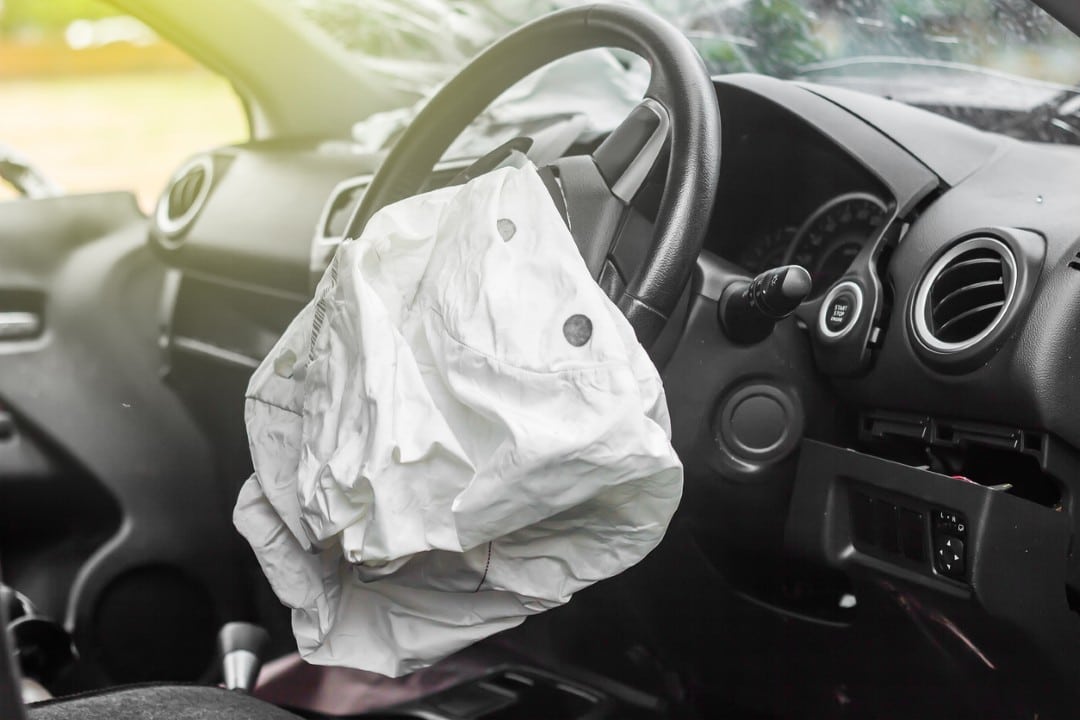
The specific defect is located in the front airbag inflator, the part responsible for releasing the gas that fills the protective bag. If the vehicle is involved in an accident that activates the system, the internal pressure generated by the explosion of the degraded propellant can be excessively violent. Essa uncontrolled force is capable of breaking the inflator’s metal casing, projecting metal fragments against the driver and passengers.
Road safety experts warn that injuries caused by this type of failure are comparable to those from shrapnel from grenades, and can result in serious or fatal injuries. The German automaker reinforces that replacing the component is the only way to eliminate the risk, since there are no external signs that indicate the condition of the propellant inside the vehicle’s dashboard. Preventive action aims to correct the problem before new incidents occur.
Chemical degradation and the risks of ammonium nitrate
The core of the technical problem involves the stability of ammonium nitrate without a desiccant agent, used in millions of vehicles produced in the last decade. Over the years, exposure to temperature and humidity cycles compromises the chemical structure of the compound. The material, which should burn in a controlled manner to inflate the airbag fabric, starts to detonate at a speed and pressure much higher than the original design specifications of the part.
Automotive engineering classifies this failure as progressive deterioration, meaning older vehicles are at greater risk. The time of exposure to environmental elements is a determining factor for propellant instability. For this reason, cars manufactured more than five or ten years ago become the main focus of these recall campaigns, requiring extra attention from current owners who are often unaware of the item’s maintenance history.
To mitigate this threat, the technical solution adopted involves the complete replacement of the airbag module or gas generator. The new parts use more stable chemical compounds or include drying agents that prevent moisture absorption, ensuring that the device functions correctly throughout the life of the car. The automotive industry has been working to phase out the use of the unstable compounds that have generated massive recalls in recent years.
Models involved and fleet identification
The safety campaign covers models specifically manufactured between 2013 and 2017, the period in which the defective components were installed on the assembly line. Entre affected vehicles are the Volkswagen Golf, one of the brand’s most popular models, and the Volkswagen Passat sedan. Além of these, the iconic Volkswagen Beetle and the Volkswagen CC coupe are also on the list of chassis that require urgent checks at dealerships.
It is essential that owners check the Número of Identificação of Veículo (VIN), popularly known as the chassis number, to confirm whether their car is included in the call. Essa verification can be done directly on the manufacturer’s website or by telephone with the authorized network. The database is constantly updated to ensure that no defective units remain in circulation without proper repair.
An additional concern concerns the used vehicle market. Muitos of these cars have already been through two or three owners, which makes direct communication by the manufacturer via traditional mail difficult. Quem recently purchased one of these models from independent or private dealers must take a proactive stance and check the vehicle’s recall status immediately, ensuring that safety is not compromised.
Failure to carry out the repair leaves the driver exposed to unnecessary risk. Mesmo the airbag warning light on the dashboard is not on, the physical danger from the degraded propellant persists. The car’s electronic system monitors electrical connectivity, but does not have the ability to analyze the chemical composition of the dust inside the inflator, making the recall the only effective diagnostic and prevention tool.
Procedures for scheduling the service
The repair process is completely free and must be scheduled at an authorized Volkswagen dealership. The automaker instructs customers to get in touch in advance to ensure that the replacement part is available on the chosen date, optimizing the vehicle’s time in the workshop. The service is generally quick, taking around an hour to complete, depending on the service unit’s workflow.
During the procedure, specialized technicians remove the old airbag and install a new certified component, ensuring that the passive safety system returns to operating according to factory standards. Volkswagen reiterates that no costs will be passed on to the customer, fully covering parts and labor expenses. Essa policy aims to encourage maximum compliance with the recall, removing financial barriers to safety.
Continuous monitoring and corporate responsibility
This recall is part of an ongoing industry effort to address the legacy of defective airbags that have affected numerous brands globally. Volkswagen maintains quality monitoring programs that analyze vehicle parts in use to detect unanticipated wear patterns. Quando a systemic failure is identified, as in this case, global corrective action is triggered to protect the consumer base and maintain trust in the brand’s engineering. The company emphasizes that passenger safety is non-negotiable and will continue to track and recall vehicles whenever technical risks are detected.



