Apple system failures cause overheating and block essential iPhone features
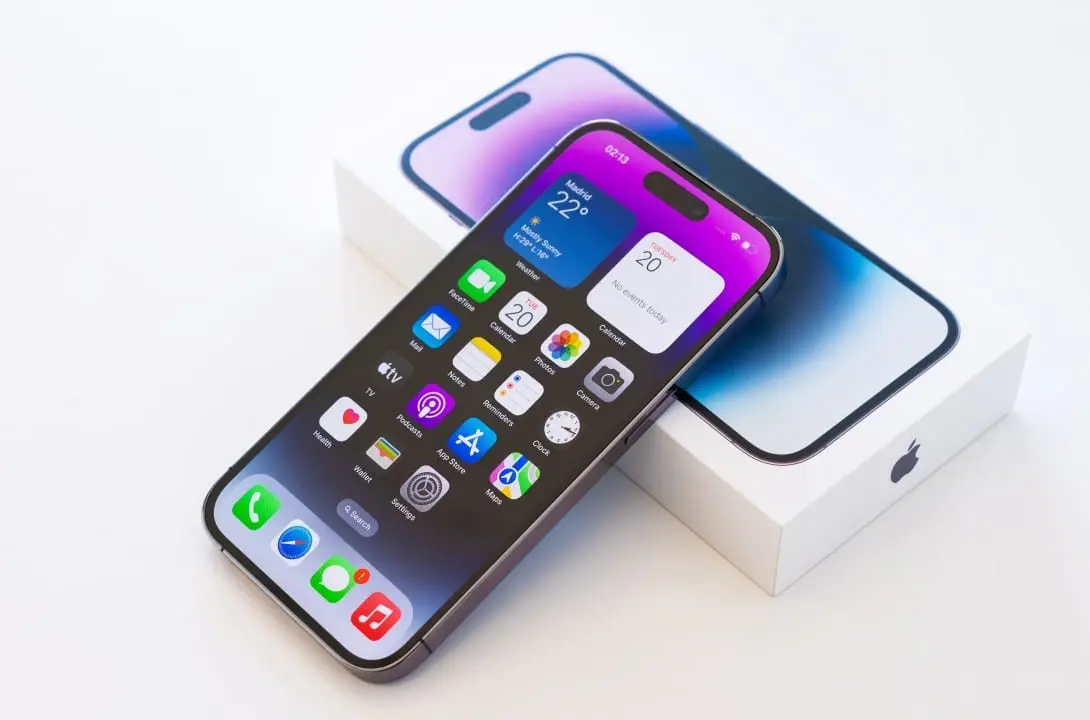
Owners of the North American technology giant’s mobile devices face a series of technical complications after installing the latest software package made available by the company. What was supposed to be a routine update to ensure compatibility with new tracking accessories ended up becoming a source of widespread frustration for consumers on a global scale. Relatos accumulated on specialized forums and social networks indicate that version 26.2.1 of the operating system introduced critical errors that compromise the basic usability of the devices, from biometric authentication to the stability of internet browsing.
The original intention of the update was to prepare the ecosystem for integration with the new AirTag 2, a long-awaited location device on the market. However, soon after applying the firmware, users started noticing anomalous behavior on their smartphones. The company confirmed the interruption of digital signatures for the previous version of the system, which means that the scenario has become even more complex for those who have already carried out the procedure.
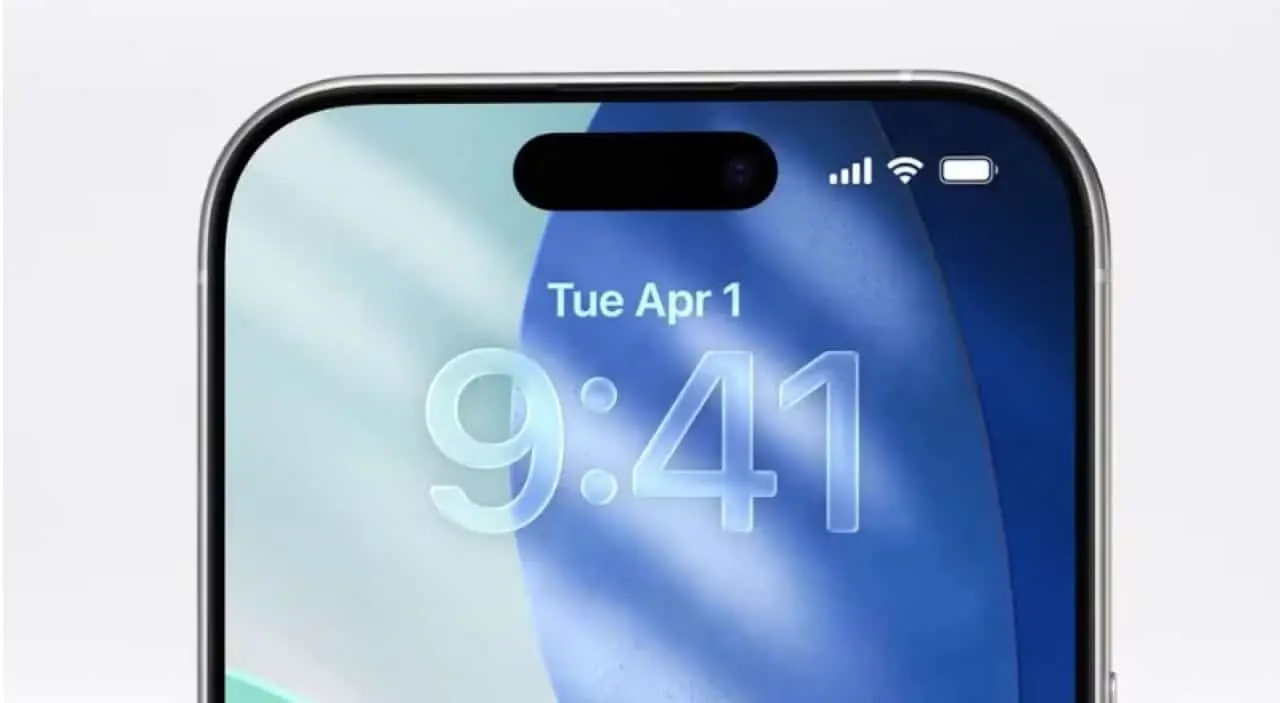
In practice, this prevents consumers from downgrading, that is, returning to the previous stable version, leaving them stuck with the problematic build until an official fix is released. Diante of the new unstable digital environment, experts’ recommendation is to avoid immediate installation until the situation is normalized.
On the same topic: IPhone 20: leaks reveal radical design change and record curved screen
Collapse of biometric and navigation functionalities
Among the most alarming failures reported by consumers, the inoperability of the Face ID system stands out. The facial recognition mechanism, essential not only for unlocking the device but also for validating banking transactions and accessing protected applications, stopped responding in a significant portion of the user base. Sem this functional biometric validation, owners are forced to manually enter passwords in all operations, which represents a setback in the convenience and agility promised by the brand.
Alongside the security issues, the web browsing experience has also deteriorated. The native browser Safari presents constant instability, with tabs that reload without user command or close suddenly, resulting in the loss of information and interruption of readings or work in progress. Quando the browser becomes unstable, the operating system tends to restart the application repeatedly, generating a stress cycle on the processor that directly impacts other hardware components.
Overheating affects performance of premium models
The arrival of the new system compiler brought severe thermal consequences to the devices. The current generation’s top-of-the-line model, the iPhone 17 Pro Max, was specifically cited by users who observed a drastic reduction in battery life. Aparelhos that previously supported a full day of intensive use now require multiple recharges throughout the period, even with little screen activity.
Along with accelerated energy consumption, there are consistent reports about excessive heating of devices. The processor appears to be operating at unnecessarily high frequencies to deal with poorly optimized background processes introduced by the update. Esse behavior not only makes handling the device uncomfortable due to the high temperature, but can also accelerate the chemical degradation of the battery’s internal components in the long term, representing a future financial loss for consumers who have invested in high-cost hardware.
More on this story: Serious flaw in Apple’s new iOS 26.2.1 system crashes iPhone devices and compromises battery and Face ID reading
See Also



Storage errors and unstable connectivity
Another technical issue that has caused confusion involves managing the system’s internal storage. Após update, several users noticed that around 30 GB of disk space was inexplicably taken up by the “Sistema Data” category. The system classifies this consumption as system data, but does not allow the user to clean or manage these files.
Even attempts to delete large apps or delete personal photos and videos to free up space prove ineffective. The “ghost space” remains occupied, suggesting that error log files or corrupt installation caches were not properly disposed of after the upgrade process, creating a logical block that the average user cannot resolve.
The stability of network connections was also compromised. The Wi-Fi connection and mobile data network fluctuate frequently, causing interruptions in video calls, downloads, and streaming. In an increasingly connected world, the inability to maintain a stable connection makes it impossible to use your device for essential professional and communication tasks.
Community positioning and preventive measures
The lack of an official timeline for the correction or a formal statement from the manufacturer increased market anxiety. On support portals such as MacRumors and Reddit, there are numerous threads of users sharing workarounds, but most of the system’s structural problems remain without definitive resolution. Considerando the premium price associated with the brand, the perception of quality was shaken.
Learn more: Apple accelerates production of the iPhone 17e and develops new Air model with dual camera system
Faced with this scenario of technical uncertainty and software instability, the technical community and security experts are unanimous in advising extreme caution. Para users who have not yet updated to version 26.2.1, the guideline is to keep the old operating system and wait. The company must publicly acknowledge the flaws and make a corrected version available to ensure that the devices return to operating with the expected safety and efficiency, making it necessary to postpone the installation until the integrity of the software is assured.