
Apple’s new bet on the smart home brings Face ID to the doorbell and prioritizes user data


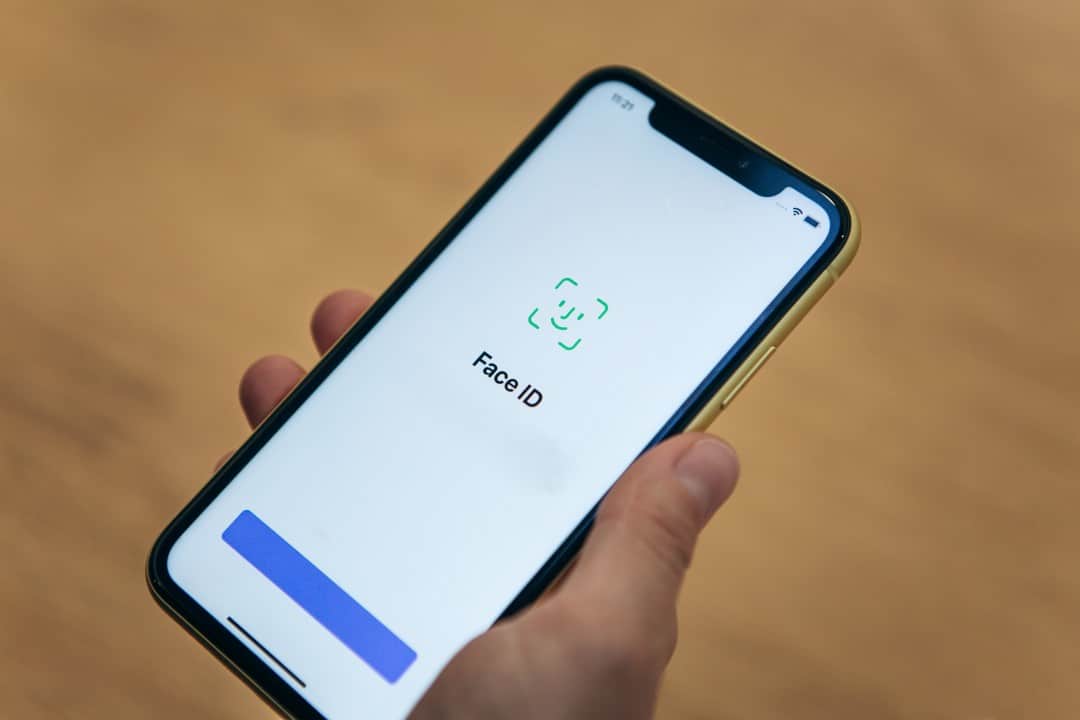
The Cupertino giant advances in the development of a new smart video doorbell that promises to redefine home security with the use of advanced facial recognition. Previsto to hit the market in 2026, the device must integrate Face ID technology to identify residents and unlock doors automatically, eliminating the need for physical keys or manual codes. The initiative marks a strategic step by the company to consolidate its presence in the home automation sector, differentiating itself by rigorously protecting user information.
Scenario of distrust drives new solutions
The residential security market is going through a period of transformation following recent controversies involving major players in the sector. Amazon faced significant criticism after running an advertising campaign for Ring during Super Bowl that highlighted community tracking capabilities. The system, designed to locate lost animals through a network of cameras, was met with skepticism by privacy advocates, who warned of the risks of mass surveillance and inappropriate monitoring in public spaces.
Negative reactions from consumers and civil rights groups have forced changes to competitive data-sharing policies. Esse seizure context created a clear opportunity for manufacturers who prioritize closed security architecture. The realization that connected cameras can be used for purposes beyond personal security has increased the demand for devices that guarantee full control of images by the owner, without unauthorized external access.
Privacy as a central pillar of development
Apple’s strategy focuses on local data processing as its main competitive advantage. Diferente of systems that send biometric information to the cloud, the new device will use the Secure Enclave to process facial recognition directly in the hardware. Isso ensures that sensitive user face data never leaves the doorbell or home hub, mitigating the risk of leaks to third-party servers.
HomeKit’s secure video system complements this architecture with end-to-end encryption. Recordings stored in iCloud can only be viewed by the user’s authorized devices, even preventing the company itself from accessing the content. Essa approach aims to attract consumers who seek the convenience of automation but have abandoned other brands due to concerns about the integrity of their private lives.
Deep integration with the ecosystem
The operation of the new hardware will depend on robust synchronization with the brand’s existing products. The doorbell will operate in conjunction with compatible smart locks, creating a frictionless entry flow. Upon recognizing a registered resident, the system will send an immediate command to release the lock, while unknown visitors will generate rich notifications with real-time video for iPhones and iPads.
Rumors indicate that the launch is part of an expanded line of five new products for the home. Além of the doorbell, there is speculation about the development of security cameras for indoor environments and a new centralizing hub with support for generative artificial intelligence. The intention is to create an environment where all devices talk to each other fluidly, maintaining the usability standard that maintains loyalty among the company’s customer base.
Expected features and technical functionalities
Industry experts anticipate a series of technical specifications aimed at performance and security. Entre The most anticipated features for the 2026 model include:
– Reconhecimento instant facial via Face ID for access automation;
– Integração native with smart locks from the HomeKit standard;
– Armazenamento encrypted video with iCloud plans;
– Processamento of local image to reduce latency and increase privacy;
– Notificações intelligent devices that differentiate between people, animals and vehicles.
The movement of Apple suggests a careful reading of the gaps left by the current leaders in the segment. By combining premium hardware with a transparent data policy, the company seeks to capture market share made up of users willing to invest more for guarantees that their homes will not become external surveillance tools.



