
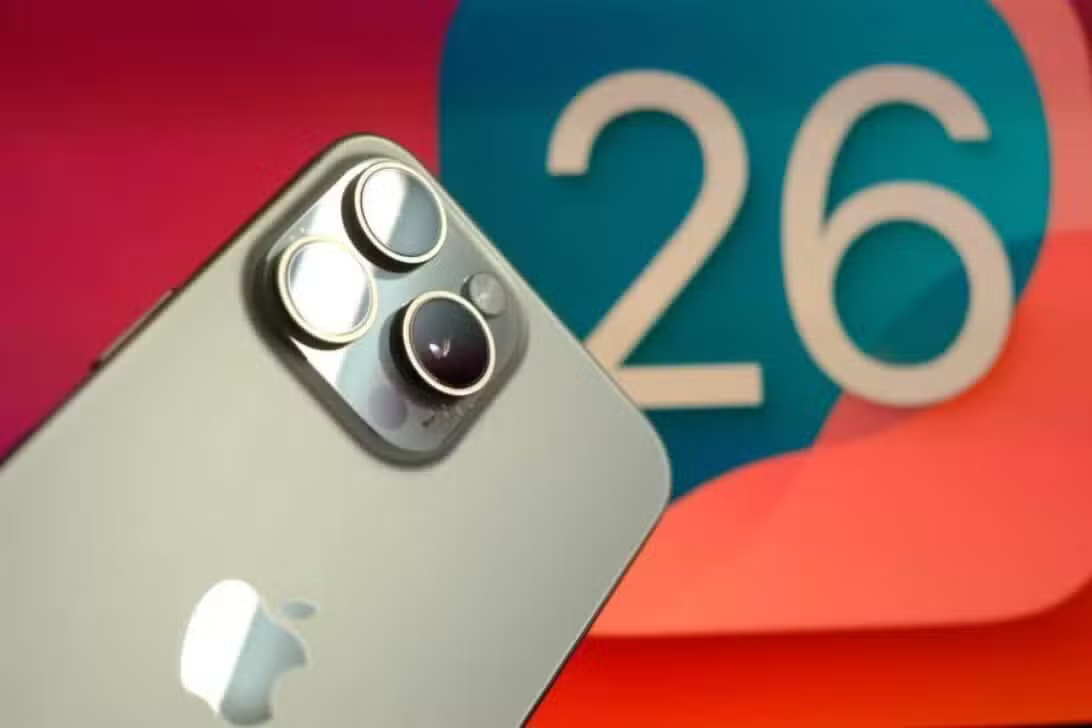
The development community received access, this Monday, to build 23E5207q, which marks the start of testing for the next major update to the Apple mobile system. The release occurs through the iPhone’s general settings menu, allowing registered programmers to evaluate the stability of the new tools before the public launch. The focus of this release is on the integrity of user data and the modernization of native entertainment platforms, with the expectation that an open-to-the-public version will be made available in the coming weeks.
This update brings important structural changes to the way the device deals with physical and digital threats. Além In addition to the usual performance fixes, the company has implemented additional layers of protection that change the device’s default behavior in risky situations, in addition to introducing new dynamics for media consumption and personal organization.

Advanced security and communication protocols
One of the most significant changes to the messaging environment is the introduction of experimental support for end-to-end encryption in the RCS standard. The functionality, which aims to replace the old SMS with richer features, now displays a lock icon in conversations to indicate active protection. Neste initial stage of validation, the feature operates exclusively between branded devices, serving as a proving ground for future secure interoperability with Android systems, a long-standing demand in the telecommunications market.
In parallel with the changes in communication, the operating system hardened the barriers against the misappropriation of devices. The device theft protection tool, which previously required manual activation, is now enabled by default in this version. The mechanism imposes mandatory biometric authentication — Face ID or Touch ID — to make changes to accounts and settings when the device detects that it is outside familiar locations, such as the owner’s home or office.
This extra layer of security includes an intentional delay for sensitive operations, requiring a second biometric confirmation after a waiting period. The measure aims to prevent third parties, even in possession of the numeric password, from being able to take full control of the device or access stored security keys, offering a robust response to the increase in theft in large urban centers.
Innovation in music and artificial intelligence
The native music application received a visual and functional overhaul, highlighting the integration of generative tools. The new feature called Playlist Playground uses artificial intelligence to compile playlists based on user-supplied textual descriptions. The system analyzes the request and automatically suggests tracks, speeding up the process of music discovery and library customization.
The playback interface has also been improved, featuring full-screen album covers with animations that make browsing more immersive. Além In addition, the artist library now integrates information about upcoming tours and shows, centralizing the fan experience. Outra relevant addition is a new widget for the home screen, focused on ambient music playlists, allowing quick access to relaxing sounds without having to open the full application.
Improvements to podcasts and system interface
The consumption of audio and video content becomes more fluid with the HLS technology update in the podcasts application. The system now adjusts the quality of video transmission automatically based on the speed of the available internet connection, also allowing instant switching between audio-only or video-only modes. Para creators, new monetization options with dynamic insertion of video ads promise to expand revenue possibilities on the platform.
Various usability adjustments have been applied throughout the system to refine the daily experience. The wallpaper gallery has been redesigned to offer a clearer separation between categories, with a significantly faster touch response. In the task app, a new smart list automatically organizes tasks marked as urgent, creating priority notifications to ensure deadlines aren’t missed.
Other technical modifications include the return of the app store search bar to the top of the interface, responding to requests about navigation ergonomics. The automation application gained specific commands to set battery charge limits, offering more control over the component’s energy health. Pequenos visual details, such as updating icons and removing unnecessary floating elements, complete the package of improvements in this beta version.