
Delay in manufacturing the new RAV4 leads Toyota to indicate hybrid alternatives to reduce waiting

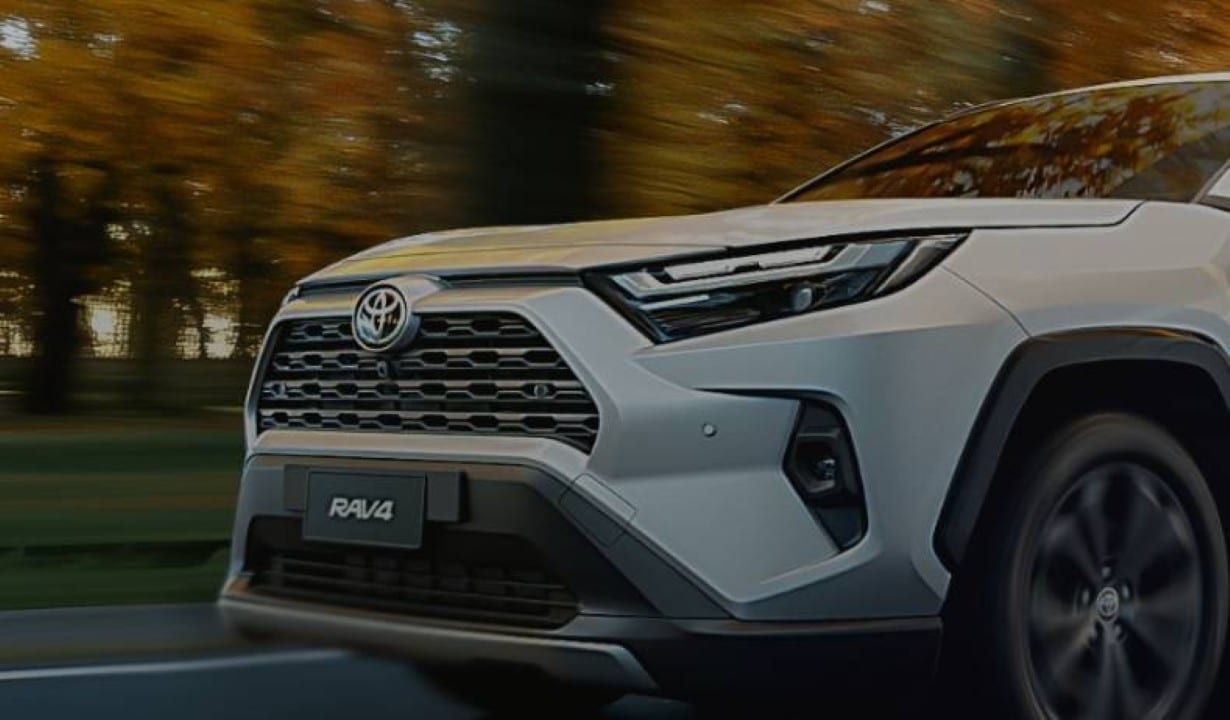
Toyota has implemented a new strategic guideline across its global dealership network to mitigate the effects of bottlenecks in the production of its sports utility vehicles. Diante Due to the high demand and logistical complexities surrounding the launch of the 2026 RAV4 line, the Japanese automaker instructed its sales teams to offer immediate alternatives to consumers. The central objective is to avoid losing customers to competing brands due to long waiting lines generated by the shortage of essential components for new propulsion systems.
The current scenario reflects a macroeconomic challenge in the automotive industry, where the accelerated transition to electrified vehicles puts pressure on the battery and semiconductor supply chain. The RAV4, being one of the best-selling cars in the world, has become the epicenter of this logistical issue, requiring the manufacturer to adopt containment measures to keep its buyer base loyal to the brand’s ecosystem.
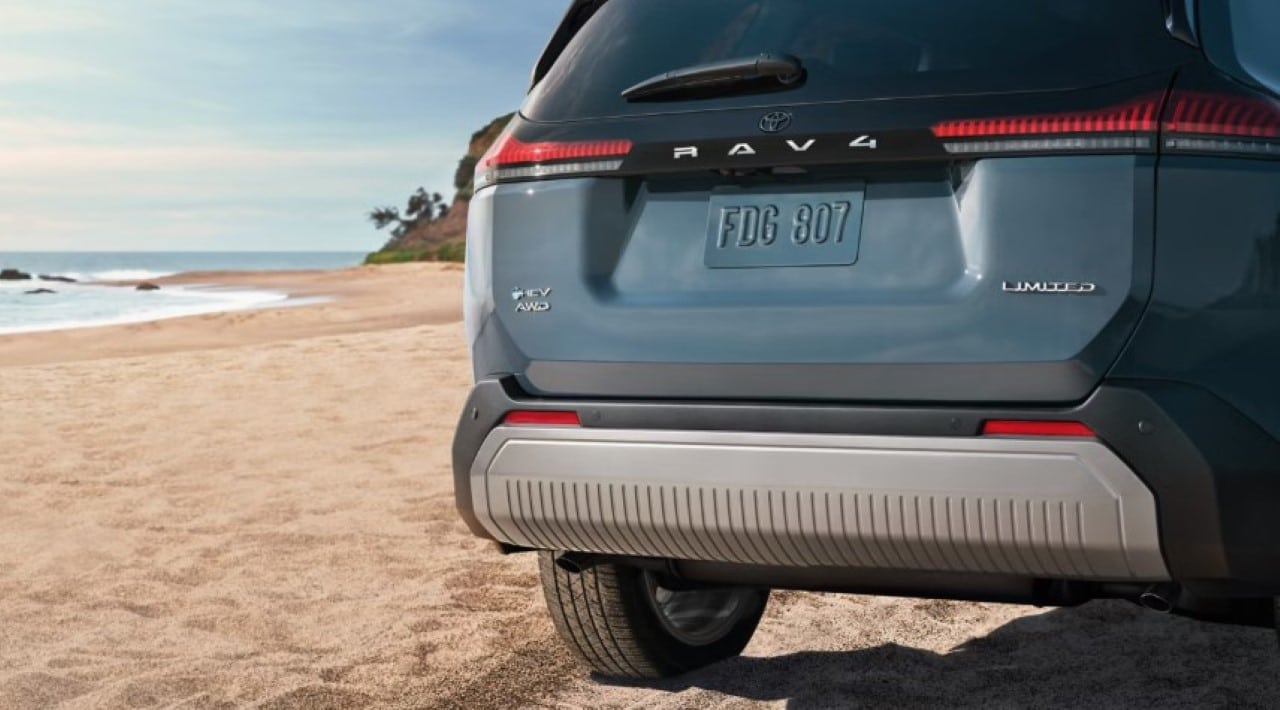
Challenges in the supply chain and production
The restructuring of the assembly lines to accommodate the new generation of the SUV, which will be exclusively hybrid, imposed significant technical challenges on the Toyota factories. Integrating new high-density battery packs and upgraded electrical systems requires longer industrial calibration times than traditional combustion models. Diferente of the simple aesthetic updates, the change to the 2026 line involves a complete review of the energy platform, which directly impacts the pace at which vehicles leave the manufacturing units.
Industry experts point out that the “just-in-time” policy, which aims to reduce parts stocks, faces difficulties when there are simultaneous peaks in global demand. In the specific case of hybrids, dependence on advanced technology suppliers creates a production funnel. Toyota, recognized for its operational efficiency, opted for transparency by communicating that the complete normalization of delivery flows for the new model should only occur fully in the second half of the year, requiring patience from those interested in the launch.
To overcome the frustration of consumers looking for a new vehicle immediately, the company established a sales redirection protocol. The strategy consists of presenting the technical advantages of models that share the same architecture and mechanical reliability, but which have greater stock availability. Essa maneuver aims to transform a logistical problem into an opportunity to diversify sales within the company’s own portfolio.
Suggested alternatives for market retention
The automaker’s official recommendation highlights two main models as viable replacements for those who cannot wait for the arrival of the new RAV4: the Corolla Cross and the Camry sedan. Ambos the vehicles use the brand’s renowned hybrid technology and offer levels of energy efficiency compatible with current environmental requirements. The Corolla Cross, in particular, appears as the natural alternative as it belongs to the same crossover segment, offering dimensions suitable for urban and family use.
Salespeople have been trained to emphasize specific attributes that can convince the customer to make the exchange. Entre the highlighted points are:
– The superior agility of the Corolla Cross in urban maneuvers and ease of parking in large cities;
– The acoustic comfort and premium finish of the Camry, which surpasses many SUVs on long-distance trips;
– Immediate availability for billing, eliminating uncertainty about deadlines and possible future price adjustments;
– Maintaining resale value, a strong characteristic of all products in the manufacturer’s hybrid line.
This pragmatic approach seeks to ensure that consumer capital remains with the company. By offering a product available “for immediate delivery”, Toyota tries to protect its market share against attacks from direct competitors, such as Honda and South Korean brands, which are also aggressively competing in the electrified SUV segment.
Consumer impact and industry trends
The decision to suggest other models is not just a palliative measure, but a careful reading of modern consumer behavior. Estudos indicate that tolerance for long waits has drastically decreased, and availability has become a deciding factor in purchasing, often trumping loyalty to a specific model. By acting proactively, Toyota demonstrates respect for the customer’s time and reinforces its reputation for reliability and after-sales support.
The automotive market is closely observing this movement, as it signals that production bottlenecks for high-tech vehicles are still a present reality. An automaker’s ability to manage these crises, maintaining profitability and customer satisfaction, will be a crucial competitive differentiator in the coming years. Enquanto engineering works to accelerate production of the 2026 RAV4, the commercial team guarantees the financial sustainability of the operation through cross-selling of products.
It is expected that, with the stabilization of the supply chain expected in the coming months, the waiting list for the new SUV will gradually decrease. Até there, the robust presence of the Corolla Cross and the Camry on the streets will serve as testimony to the brand’s ability to adapt to adverse scenarios without losing its relevance in the global market.
Main keywords:Toyota RAV4 2026, vehicle production, hybrid SUV, Corolla Cross.Long-tail keyword:delay in the delivery of new cars Toyota.
Sources researched:https://www.toyota.com/rav4/
https://www.caranddriver.com/toyota/rav4-hybrid
https://www.motor1.com/news/toyota-rav4-production-updates/



