
Disclosure of private messages with Jeffrey Epstein forces executive to leave Goldman Sachs


The administrative leadership of Goldman Sachs confirmed this Thursday, February 13, the departure of its main legal advisor, Kathy Ruemmler, amid a reputational crisis generated by new evidence of her proximity to the convicted financier Jeffrey Epstein. The decision was formalized after the release of an extensive volume of documents by Departamento of Justiça of Estados Unidos, which exposed email exchanges and personal interactions that the executive had with
The records made public reveal a relationship that went beyond the strictly professional scope, with correspondence dating from periods prior to her hiring by the financial institution in 2020. The content of the messages, which includes informal treatments and discussions about image strategies, generated unsustainable pressure on the lawyer’s continued leadership position.
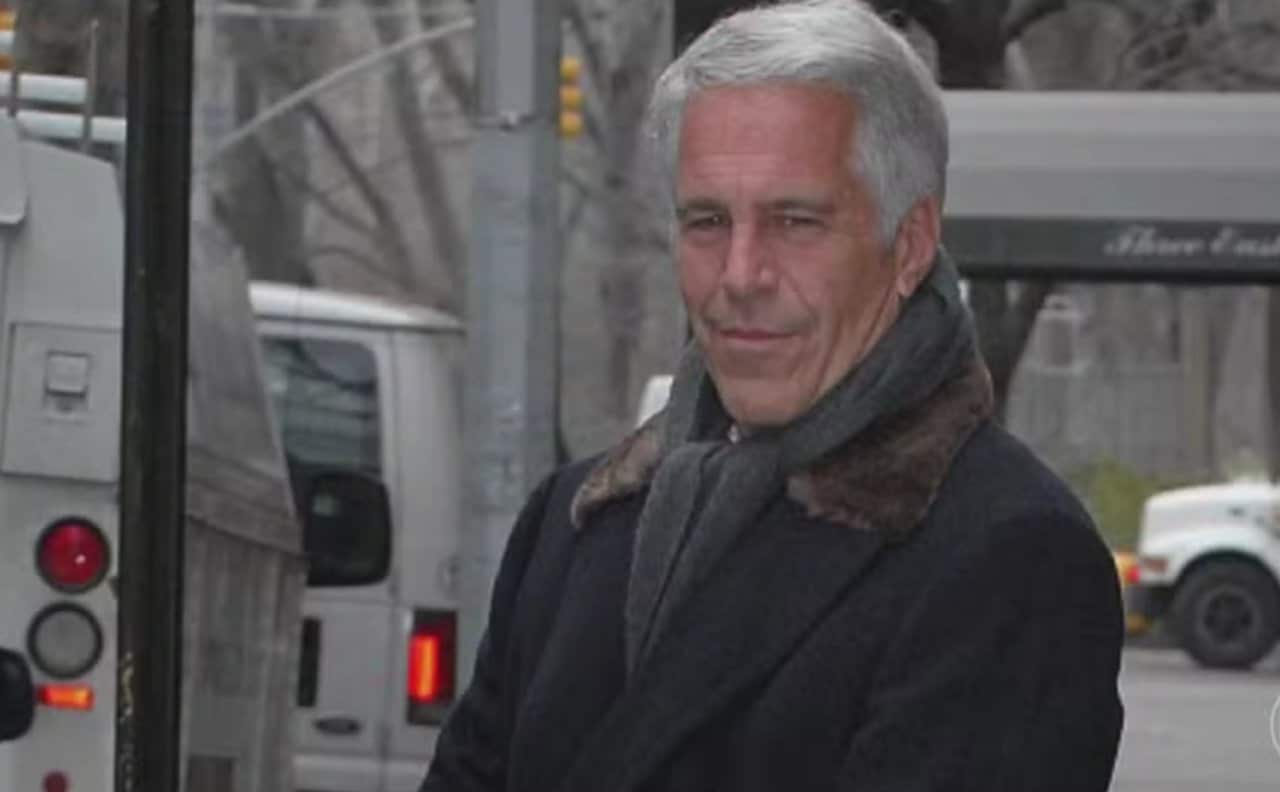
Embora the executive claimed that media attention on her past ties was causing unnecessary distractions to the firm’s operations, internal sources indicate that the climate among senior partners has deteriorated rapidly in recent weeks. The transition, however, will not be immediate, with the definitive exit scheduled for the end of the first half of this year.
The fallout from the case highlights the ongoing challenges that large Wall Street institutions face in dealing with legacy connections to controversial figures. The bank’s management opted for a planned shutdown, according to the following main points of the announcement:
- The executive will remain in her role until June 30 to ensure an orderly transition of her responsibilities.
- The bank reiterated that Jeffrey Epstein was never a direct client of the institution or the lawyer during his tenure at the company.
- The departure occurs despite the initial and explicit support offered by CEO David Solomon.
Content of documents and nature of the relationship
The material released by US authorities offers a detailed glimpse of the dynamics between Ruemmler and Epstein, demonstrating a familiarity that surprised the market. In several exchanges of electronic messages, the lawyer used affectionate terms, referring to the financier as “uncle Jeffrey” and “older brother”, indicating a level of intimacy that contrasted with her previous statements about the casual nature of the contact.
Além of informal language, the documents prove that the executive accepted invitations for trips and high-value gifts, practices that are now scrutinized from the perspective of the ethical conduct expected of a former Casa Branca employee and current legal leader of a global bank. Interactions included practical advice provided by Ruemmler on how Epstein could mitigate damage to its public image and deal with negative press coverage.
The chronology of the messages shows that contact remained frequent until moments before the financier’s second arrest in 2019. Although Embora Ruemmler publicly declared his regret and stated that he was unaware of the full extent of Epstein’s criminal activities at the time, the materiality of the documentary evidence made his leadership position in the bank’s governance politically unfeasible.
Differences in leadership and support of Solomon
The management of the crisis revealed fissures in the top leadership of Goldman Sachs, specifically in relation to the stance adopted by CEO David Solomon. Desde the appearance of the first reports on the topic at the end of 2025, Solomon maintained an unwavering defense of its legal director, publicly classifying her as a professional of excellence and fundamental to the organization’s strategy.
Essa loyalty, however, was met with skepticism and discomfort by the bank’s other partners and influential shareholders. The CEO’s insistence on maintaining Ruemmler, even in the face of mounting evidence, was interpreted by some internal sectors as a failure of judgment that exposed the institution to unnecessary image and credibility risks.
The acceptance of the resignation, described as reluctant by Solomon, marks a strategic retreat from the bank’s presidency. The internal narrative now turns to the need to protect the brand and reassure investors that compliance and ethics protocols are rigorous, regardless of the hierarchy of those involved.
Executivos close to the administrative council report that the delay in cutting ties has generated tensions that will need to be managed in the coming months. The perception that the institutional response was slow and defensive may lead to revisions to background check processes for high-level positions in the future.
Professional trajectory and impact on the sector
Antes from entering the banking sector, Kathy Ruemmler built a distinguished career in public service, serving as an advisor to Casa Branca during Barack Obama’s administration. Sua experience in dealing with government crises and complex investigations was one of the main attractions for his hiring by Goldman Sachs in 2020, where he quickly ascended to David Solomon’s circle of trust.
At the bank, his work covered not only legal issues, but also participation in crucial risk and conduct committees. The irony of his departure lies in the fact that one of those responsible for the institution’s corporate governance was overthrown precisely because of issues linked to personal judgment and private associations.
The financial market sees the episode as a warning about the lasting toxicity of the Epstein case. Analistas point out that, even years after the financier’s death, the continuous disclosure of court documents maintains the potential to destabilize consolidated careers and force restructuring in large corporations.
Succession planning and next steps
With a departure date set for the end of June, Goldman Sachs is now beginning a search process for a replacement who can navigate the current complex regulatory environment without the burden of past controversies. The stability of the legal department is seen as a priority, given the scenario of intense scrutiny over global banking practices.
The institution reinforced in a statement that it carries out regular internal audits and that it trusts the previous review processes, which had not detected any impediments to the activities of Ruemmler. However, the reality imposed by the new documents forced a pragmatic reassessment of the situation.
Enquanto the executive prepares her transition, the board’s focus turns to containing damage and reaffirming institutional values. The expectation is that the bank will adopt a more conservative stance in relation to public exposures by its directors in the short term.
Context of recent revelations
The resignation occurs at a specific time of opening files sealed by American justice. The batch of documents released in early 2026 brought to light thousands of pages detailing Epstein’s network of contacts, implicating several public figures and reigniting debates about the ethical responsibility of those who maintained relations with him after his first conviction in 2008.
Para to Goldman Sachs, the episode serves as a case study in crisis management and the importance of immediate transparency. The attempt to shield a high-profile executive ended up prolonging the brand’s negative exposure in the international media.
The outcome of the Ruemmler case signals that, in the current corporate environment, tolerance for reputational risks associated with sexual scandals and abuse of power is practically non-existent, regardless of the technical competence or professional history of the executive involved.



