
Forecast for the start of Ramadan in February highlights differences in the duration of fasting around the world


The global Islamic community awaits confirmation of the dates for the next holy month, which should begin between February 18th and 19th, subject to the viewing of the crescent moon. Este period of reflection and spiritual discipline mobilizes millions of believers who abstain from food and drink during hours of sunlight. The daily length of this practice will undergo significant changes in 2026, ranging between 11 and a half hours and 15 and a half hours, depending on the geographic position of each country.
Impact of latitude on duration of abstinence
The astronomical phenomenon responsible for the variation in fasting time occurs due to the inclination of Terra and the season in each hemisphere. Enquanto o Hemisfério Norte goes through winter, providing shorter days and reduced fasting, Hemisfério Sul goes through summer, which extends the period of light. Cidades located in southern latitudes, such as Nova Zelândia and Chile, will face the longest days of food restriction this year.
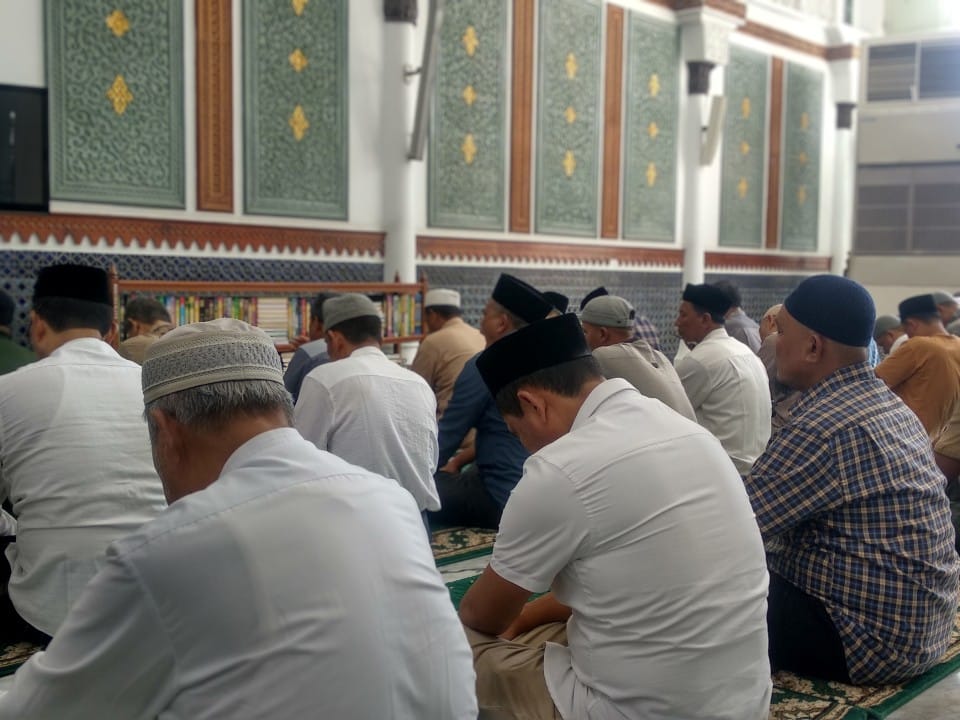
In contrast, the majority of the Muslim population, who reside above the Equador line, will experience a milder cycle. The trend for the coming years indicates that this duration will continue to decrease in the north until the beginning of the next decade, when the sacred month will coincide with the winter solstice, marking the shortest days of the solar year for this region.
Estimated times for international capitals
Projections based on astronomical calculations already offer a basis for planning religious routines in large urban centers. Em Dubai, for example, the pre-dawn meal, known as suhoor, should take place at around 5:29 am on the first day, with the breaking of the fast, or iftar, scheduled for 6:37 pm. Já in Istambul, the times are around 5:24 am for the beginning and 6:15 pm for the end of the daily period of restriction.
These time frames are fundamental for the organization of communities, which adjust their professional and social activities to accommodate the rites. Aplicativos specialists and local religious authorities usually validate this data daily, ensuring that the faithful comply with the precepts accurately, regardless of where they are located on the globe.
Scenario predicted for the faithful in Brasil
In Brazilian territory, the length of the fast will maintain a balanced average due to the position of a large part of the country close to the equatorial and tropical zone. Estima The duration of abstinence is around 13 hours in most capitals. Em São Paulo, the initial schedule points to suhoor at around 4:40 am and iftar at 6:58 pm, requiring adaptation of sleeping and eating times.
Other capitals have minute variations that, although they seem small, influence the daily routine. No Rio of Janeiro, the breaking of the fast occurs almost at the same time as in the capital of São Paulo, while in The Sul region, as in Porto Alegre, tends to have slightly longer days due to latitude.
Lunar calendar dynamics and traditions
The mobility of the Ramadã dates in relation to the Gregorian calendar is due to the fact that the Islamic lunar year is about 11 days shorter than the solar year. X__NM1____
In addition to the temporal aspects, the period is marked by intense community activity and charity. Mosques and cultural centers intensify their programming with night prayers and collective meals. The tradition of starting the breaking of the fast with dates and water remains universal, uniting different cultures under the same prophetic practice, regardless of the hours of sunlight faced.



