
Frida Baby is the target of a boycott after marketing campaigns are accused of child sexualization

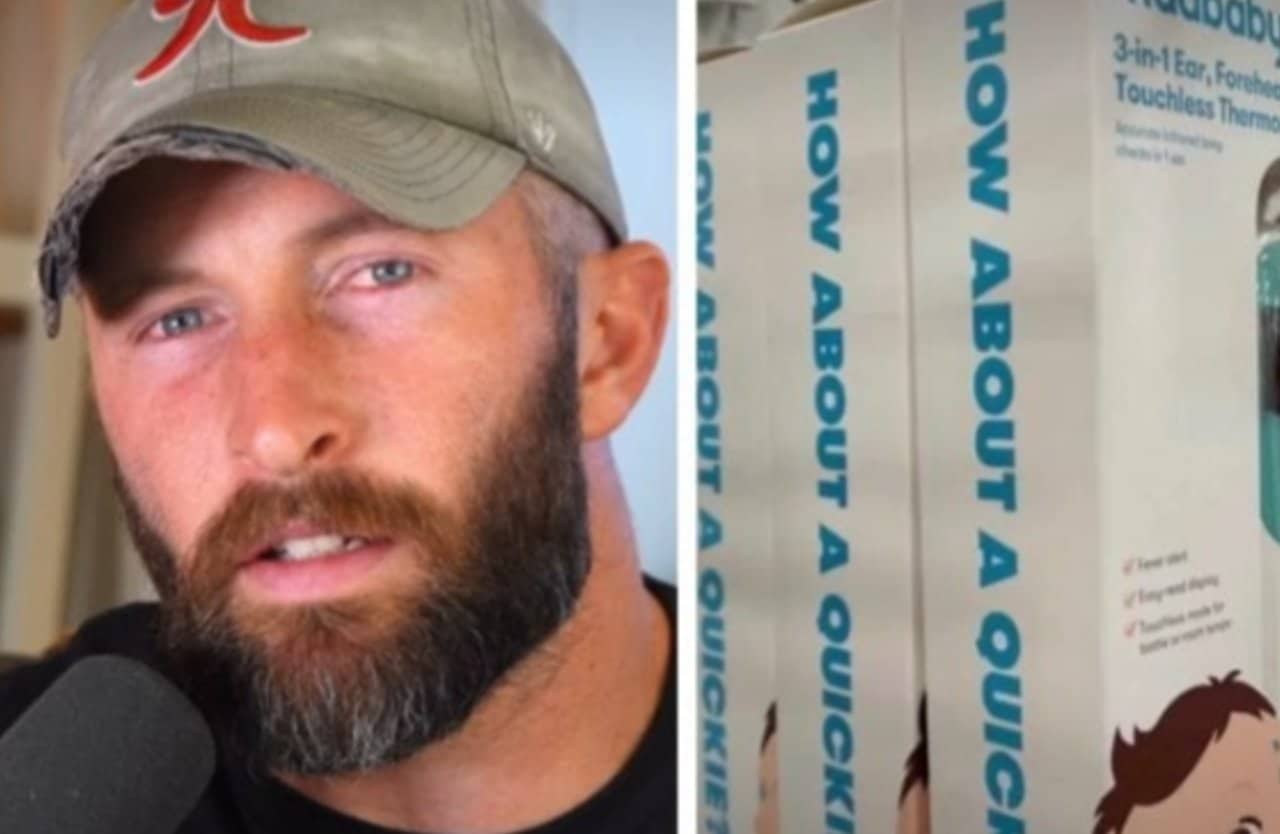
A wave of outrage has taken over social media and discussion forums focused on parenting in recent weeks, placing the company Frida Baby at the center of a corporate image crisis. The brand, known for its products aimed at caring for babies and postpartum mothers, faces severe accusations of promoting sexualization in its advertising campaigns. The case gained notoriety after critical positions from conservative leaders and a significant negative reaction from consumers.
The focus of the criticism lies in the communication strategy adopted by the company, which sought to use language aimed at adults to promote items for children. The attempt to create a modern and relaxed connection ended up, according to critics, exceeding the limits of common sense and family values. The negative repercussion was immediate, generating heated debates about the ethics of advertising products for newborns.
Among the most active voices against the brand’s stance is Shane Winnings, CEO of the organization Promise Keepers, an entity focused on defending traditional family values. Winnings’s intervention amplified the scope of the controversy, transforming what could have been an isolated case of poorly received marketing into a broader moral debate about the responsibility of companies operating in the children’s segment.
The situation quickly escalated to calls for a boycott of Frida Baby products. Consumidores use digital platforms to express disgust, questioning how a company in this sector could approve advertising pieces with connotations so far from the innocent and caring universe that generally permeates the childcare market.
Details of the campaigns that generated the revolt
The controversy is not based on an isolated event, but on a sequence of marketing actions that built the current negative perception about the brand. One of the episodes most cited by critics involved the participation of Frida Baby in the Mardi Gras celebrations. The company paraded with a float shaped in the shape of giant human breasts, an aesthetic choice that shocked part of the public present and online observers.
Along with the visual allegory, the company released slogans that were classified as inappropriate and sexualized. Frases promotions that encouraged participants to “show what your breasts can do” were seen as a vulgarization of breastfeeding and motherhood, distorting the functional and affective purpose of the act into a context of an adult party and unnecessary exposure.
Another action that contributed to the deterioration of the company’s image occurred the previous summer, involving the promotion of an ice cream made with breast milk. The campaign sought to recruit “tasters” for the unusual product. Embora the declared intention was to highlight aspects of real parenthood, the execution was perceived by many as graphically provocative and disrespectful, reinforcing the narrative that the brand focuses on shock at the expense of sensitivity.
Official position and containment measures
Faced with growing pressure and a real threat to sales, Frida Baby issued statements in an attempt to clarify its editorial line. The company defended its choices by arguing that it uses humor to address the “real, raw and complicated” aspects of the lives of fathers and mothers, topics that, according to the brand, are often ignored or idealized by competitors in the children’s sector.
The company’s management reiterated that, although the final products are intended for use in babies, all marketing communication is strictly designed to dialogue with the adults responsible for their care. The justification seeks to draw a distinction between the end user and the target of advertising, claiming that “adult” language aims to create an authentic connection with the exhausting and often chaotic experiences of modern parenting.
Despite the conceptual defense, the company took practical measures that suggest a concern for the safety of its employees and the integrity of the corporation. In a move interpreted as crisis management, the “Meet Equipe” section was removed from the official website. Analistas of the market see this action as an attempt to protect employees from direct attacks and reduce individual visibility amid the storm of criticism on social media.
In the official statement, the brand avoided a formal apology, opting to reaffirm its commitment to families. The note highlights that the company will continue to evaluate the expression of its voice to ensure that the tone is appropriate to the moment, a sign that adjustments to the strategy can occur without, however, admitting direct guilt for accusations of sexualization.
The polarization of public opinion and the market
The reaction to the Frida Baby case reflects a deep divide in the perception of what is acceptable in contemporary advertising. A portion of consumers defend the brand, interpreting the campaigns as attempts at humor aimed at sleep-deprived parents who need lightness. Para this group, the indignation is exaggerated and, in some cases, seen as an artificial mobilization to generate political or ideological engagement.
However, the majority of demonstrations recorded on social media lean towards condemning the advertising pieces. Termos as “disgusting” and “disturbing” are often associated with the brand’s ads in the comments of outraged users. The perception that the company has crossed a fundamental ethical line by associating explicit body images with children’s products fuels the momentum of the boycott movement.
The debate raises crucial questions about the risks of marketing strategies that seek to go viral through controversy. In the children’s products sector, traditionally conservative and focused on protection and care, betting on acid humor or adult themes proves to be dangerous terrain. Frida Baby’s difficulty in balancing creative boldness with respect for the values of its consumer base serves as a case study on the limits of innovation in brand communication.



