Future Nintendo console should feature an 8-inch screen and 4K resolution to attract players

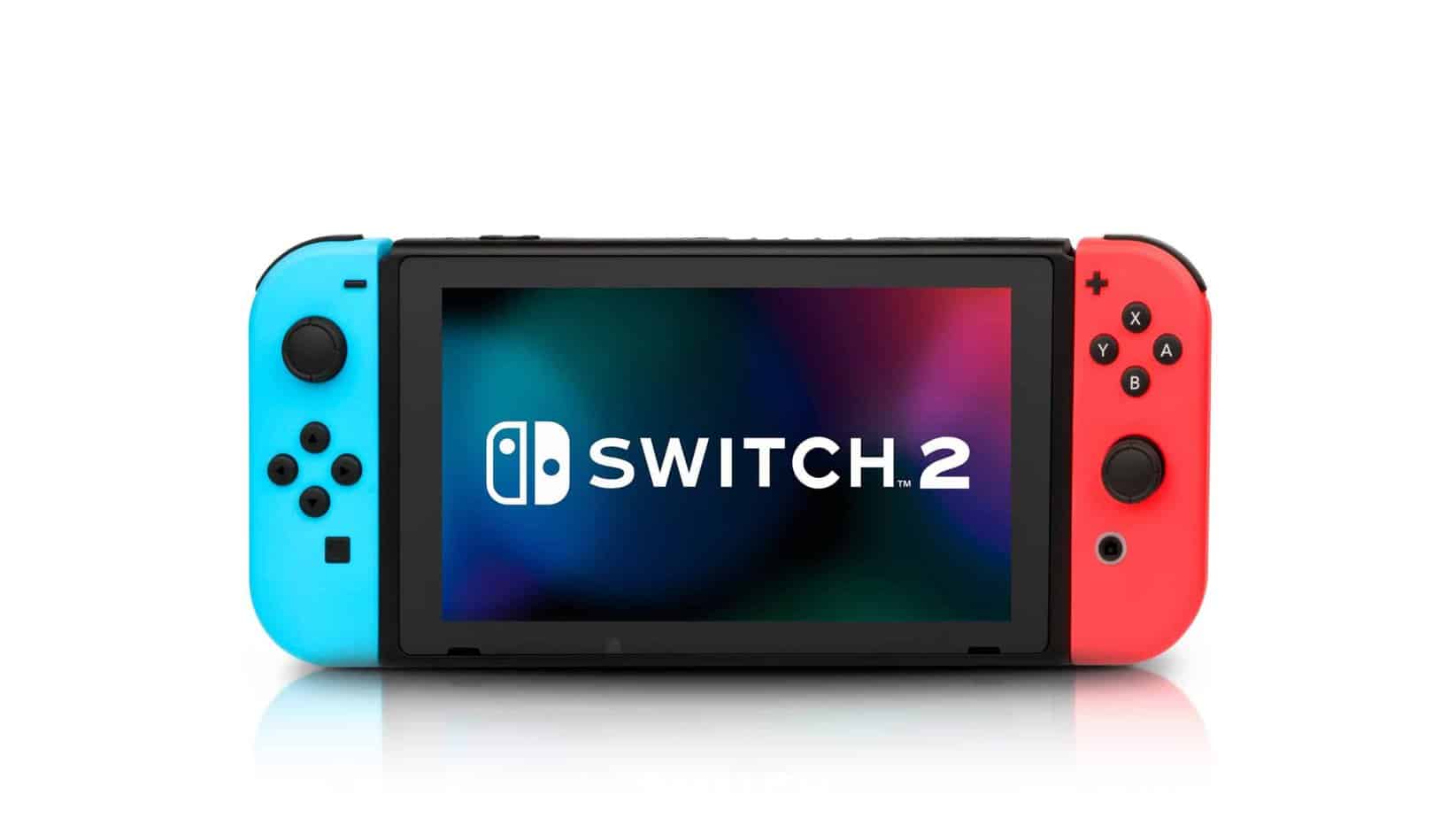
The video game industry is experiencing a moment of great expectation with the imminent revelation of the successor to Nintendo Switch. Informações recent reports indicate that the Japanese giant plans a significant leap in terms of hardware for its next generation, aiming to maintain relevance in an increasingly competitive market. The device, which has not yet had its official name confirmed, should be officially announced by the end of the current fiscal year, ending a long cycle of speculation and leaks that move behind the scenes in the sector.
Market analysts and sources linked to the supply chain indicate that the device will maintain the hybrid concept that has established the brand, functioning both as a portable device and connected to a television. The big bet to attract consumers, however, lies in the technical evolution of internal components and display quality, promising a visual experience superior to that offered by current models.
The company’s focus appears to be on the balance between performance and energy efficiency, seeking to deliver high-fidelity graphics without compromising battery life. Essa strategy aims to ensure that the new console can run modern titles smoothly, serving both casual gamers and enthusiasts looking for greater performance in their favorite games.
Evolution of the screen and graphics capabilities
One of the main highlights of the new hardware must be the implementation of an 8-inch LCD screen. Este increase represents a considerable difference compared to the original model, which is 6.2 inches, and even the OLED model, offering a wider viewing area for users who prefer portable mode. The choice for LCD suggests an attempt to keep production costs controlled at launch.
For graphics processing, the console must use upscaling technologies, such as DLSS from Nvidia. Esse feature is key to allowing the device to achieve 4K resolution when connected to the TV, using artificial intelligence to improve the image without requiring excessive raw processor power. Isso would put the device on a competitive level, allowing stable frame rates even at higher resolutions.
Internally, the specifications suggest a robust advance. The system must have 12 GB of RAM and 256 GB of internal storage in the UFS 3.1 standard. Essas configurations would allow for faster loading times and more complex textures, bringing the new console’s performance closer to that of previous generation desktop platforms, such as the PlayStation 4 Pro, but in a compact format.
Backwards compatibility and changes to controls
The generational transition often raises questions about the existing game library, but Nintendo’s new system should adopt a consumer-friendly stance. Relatórios indicate that backwards compatibility will be complete, allowing physical cartridges and current generation digital purchases to work on the new device. Essa measure is seen as essential to keep the user base active and engaged from day one.
In addition to the games, the controls should also undergo a significant overhaul. The new Joy-Cons are expected to ditch the mechanical rail system in favor of a magnetic coupling. Essa change aims to increase durability and ease of use, in addition to addressing chronic problems from previous versions.
Another point of attention is the analog button technology. Espera update to components that avoid the “drift” problem, a technical failure that registers involuntary movements and that has affected many users in recent years. Permanently fixing this problem would be a big step towards hardware reliability.
Price estimate and launch titles
The market positioning of the new console must reflect its technical improvements. Especialistas from the sector estimate that the launch price will be around 400 dollars on the international market. Esse value puts the device in a premium range, above more basic home entertainment options, but still competitive against high-performance portable PCs.
To justify the initial investment, Nintendo must prepare a line of strong games. The long-awaited “Metroid Prime 4” appears as one of the strong candidates for the launch title, serving as a technical demonstration of the capabilities of the new hardware. The franchise has a loyal fan base and the game has been anticipated for years.
- A new chapter of the Mario saga in 3D is also scheduled for the premiere window.
- The system must maintain integration with online services for access to classic NES and Nintendo 64 games.
- Partner developers would already be working on enhanced versions of their games for the new system.
The combination of updated hardware, fixes of old issues, and a strong library from the start suggests the company is planning a smooth and profitable transition. The increase in memory and storage also makes life easier for developers, who will have fewer restrictions when creating larger, more detailed worlds.
With official confirmation pending, the financial market and the gaming community await the company’s next announcements. The expectation is that the new console will not only replace the current one, but expand the hybrid gameplay possibilities that have become the brand’s standard over the last decade.
Final keywords: Nintendo Switch 2, 8-inch screen, 4K resolution, DLSS Nvidia.
Long-tail keyword: release new console Nintendo backwards compatibility.
Links researched:
https://www.nintendo.co.jp/ir/ja/
https://www.bloomberg.com/technology
https://www.videogameschronicle.com/news/