
Goldman Sachs accepts departure of executive linked to Epstein after disclosure of compromising emails

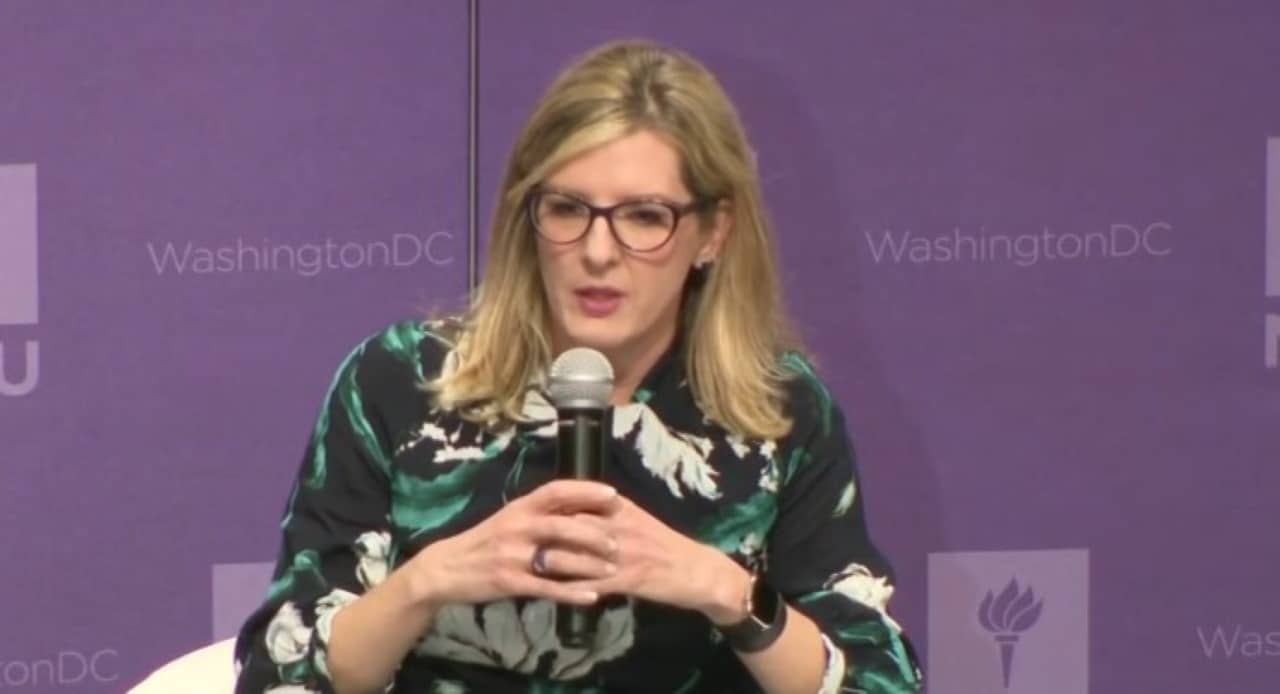
The lawyer
David Solomon, the bank’s executive president, accepted the resignation, ending a period of internal turmoil that threatened the company’s reputational stability. Although Embora leadership initially defended the retention of Ruemmler, the volume of evidence about the personal nature of the contacts made the situation unsustainable in the eyes of senior partners and the financial market.
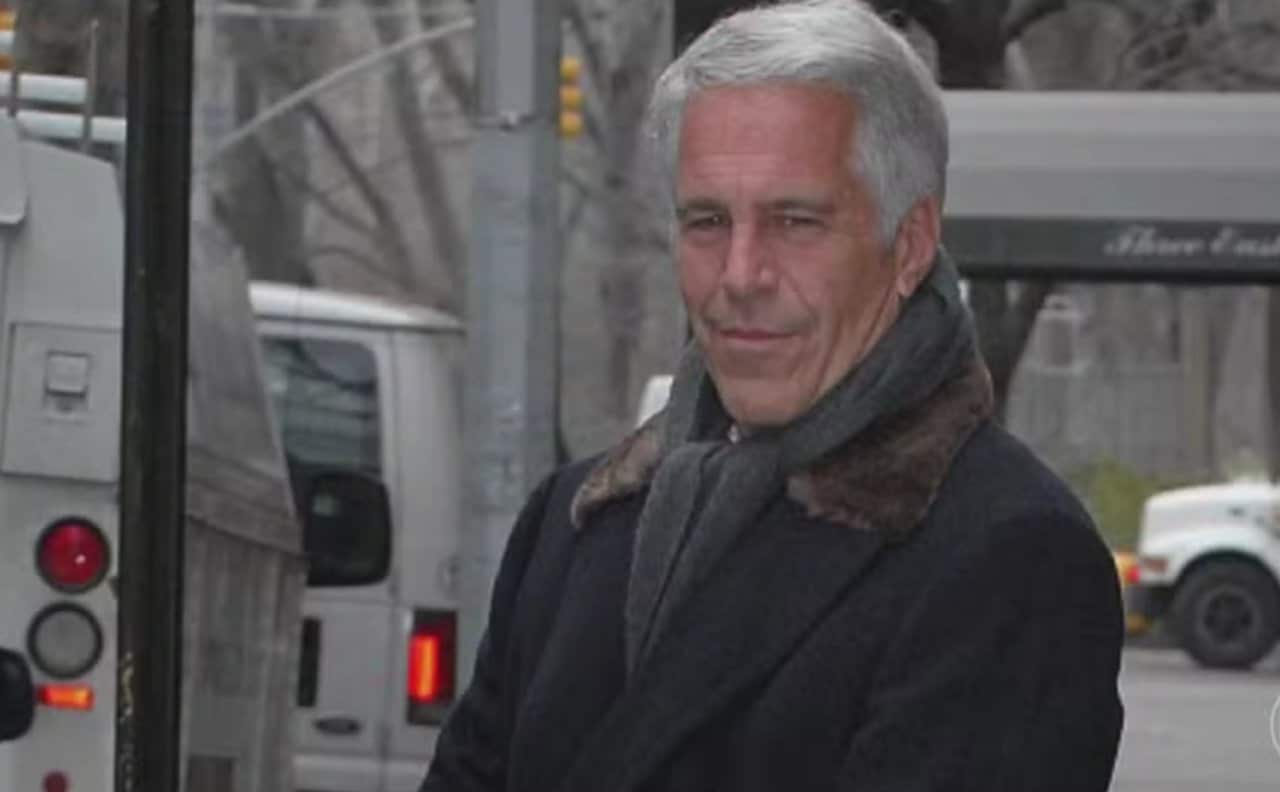
Message disclosures and informal contacts
The scenario changed drastically after the release of new files by Departamento of Justiça, which exposed email exchanges where the lawyer treated the financier in familiar terms. In several messages, Ruemmler referred to Epstein as “uncle Jeffrey” and “older brother”, an informality that generated discomfort, given that the bank claims that he was never an official customer of the institution.
In addition to the affectionate language, the records confirm that the executive accepted invitations for trips and high-value gifts, practices that today violate Wall Street’s strict conduct manuals. The investigations also indicate that she had offered informal advice on how to manage image crises in the press during the period in which they maintained frequent contact.
The executive stated that she regretted any association with the financier and claimed to be unaware of the extent of his illicit activities at the time. Contudo, the persistence of the relationship until the eve of Epstein’s second arrest, in 2019, weakened his defense arguments and accelerated the exit process.
Impact on governance and leadership reaction
David Solomon’s management of the crisis was the target of internal criticism, as the CEO resisted the first requests for the director to be removed. Para many senior executives, the delay in cutting ties was interpreted as a serious failure in the perception of institutional risk, placing personal loyalties above the integrity of the bank.
Influential members expressed concern that hesitancy could signal undue tolerance for questionable behavior. The internal assessment suggests that a faster and more decisive response would have better preserved the image of Goldman Sachs, avoiding the prolonged erosion that culminated in the resignation announced for mid-2026.
The bank reinforced in a note that it carries out constant reviews of its risk and conduct processes. Analistas, however, warn that the episode highlights the need for stricter protocols in background checks on C-level executives, especially in an increasingly vigilant global regulatory environment.
Main points of the documents released
The analysis of the documents made public allows us to draw an overview of the interactions that led to the director’s downfall. The records show a dangerous mix between professional advice and personal friendship, crossing fundamental ethical lines.
- Recurrent use of familiar and affectionate terms in corporate communications and social scheduling.
- Acceptance of air transport logistics for exclusive destinations fully paid for by the financier.
- Providing strategic guidance to mitigate damage to the public image of Epstein in the media.
- Frequent discussions about family dynamics and personal matters via communication channels.
Transition scenario and search for a successor
The financial market is closely watching Goldman Sachs’s next steps to fill the vacancy left by Ruemmler. The position requires technical legal competence and an unquestionable reputation to restore the confidence of investors and regulators after the scandal.
The institution’s strategy now focuses on ensuring an orderly transition by June, ensuring that legal and compliance processes do not suffer discontinuity. The search for a new name must prioritize profiles that are completely removed from public controversies, aiming to shield corporate governance against similar crises in the future.



