
High demand for Toyota’s new hybrid SUV clears stocks and changes global production strategy

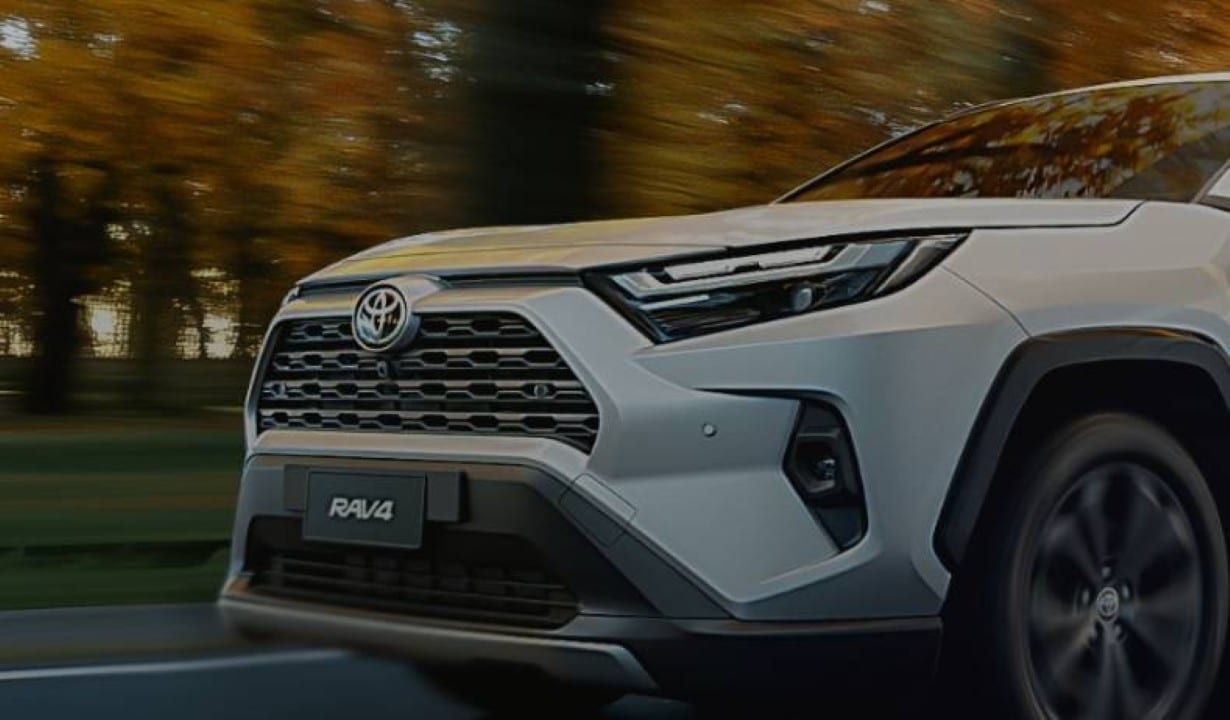
The gradual electrification strategy adopted by the largest Japanese automaker faces a paradoxical challenge driven by its own commercial success. Concessionárias in several global markets report the complete exhaustion of stocks of the brand’s most anticipated sports utility vehicle for the next cycle, forcing the company to reevaluate its logistics chain. The phenomenon comes after the corporate decision to discontinue the exclusively gasoline-powered versions of this specific model, concentrating 100% of manufacturing capacity on the hybrid variant, a bet that proved to be in line with current consumer desires, but which overloaded the supply lines for batteries and electrical components.
The scarcity scenario is not restricted to an isolated region, reflecting a consumption trend that values efficiency without total dependence on external charging infrastructure. Compradores interested in the new model face waiting lines that last for months, a situation that turned the acquisition of the vehicle into a race against time and availability. The transition to a fully hybrid line required complex adjustments in production engineering, as demand exceeded market analysts’ most optimistic projections, creating a bottleneck that the automaker is now racing to resolve by prioritizing chips and energy cells for this segment.
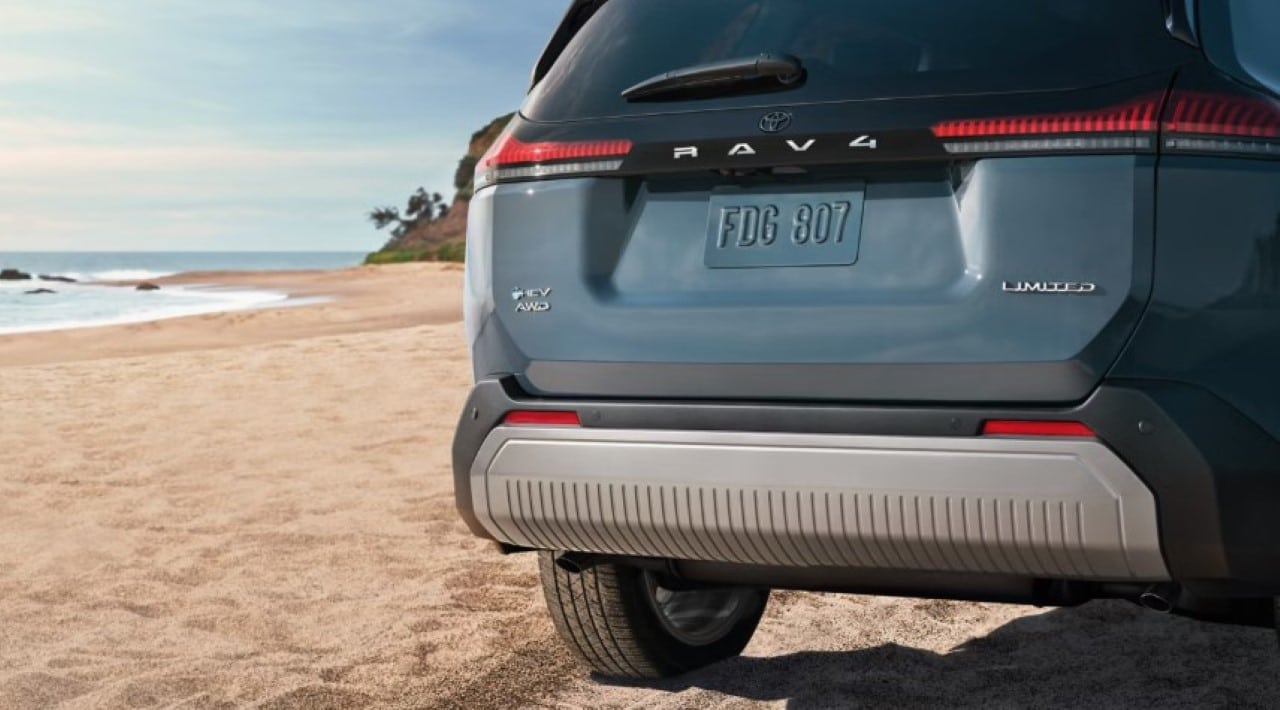
The public response validates the thesis that conventional hybrids serve as the ideal bridge to immediate decarbonization. As the automotive sector debates the pace of the transition to pure electric vehicles, sales data for this SUV indicate that extended range and fuel economy remain the deciding factors for most families. The lack of units for immediate delivery generated a cascade effect on the market, increasing the value of pre-owned models and putting pressure on the prices of the few brand new units that still reach the yards of authorized dealers.
Technical specifications drive consumer interest
The heart of this utility’s success lies in its refined mechanical package, which combines a 2.5-liter combustion engine with two electric motors, offering a remarkable balance between performance and consumption. Running tests indicate that the vehicle is capable of achieving averages close to 18 km/l, an impressive number for a car of its size and weight. Essa energy efficiency translates into a range that surpasses the 1,000 kilometer barrier on a single 55-liter tank, eliminating the range anxiety common in purely electric vehicles and allowing long-distance travel without the need for frequent fuel stops.
In addition to the engine, internal updates contributed to increasing the perceived value of the product. The model received significant improvements to its cabin, including a new 10.5-inch central screen and advanced driving assistance systems, which raised the vehicle’s technological level. The cargo space, with a capacity of around 1,070 liters, maintains the versatility demanded by consumers in this segment, reinforcing the model’s position as a multifunctional tool for urban and highway use. The integration of these elements created a package that consumers consider superior to competitive options, justifying their willingness to wait for delivery.
The automaker’s engineering also focused on optimizing internal space to accommodate the battery system without compromising passenger comfort. The strategic positioning of electrical components under the rear seats kept the floor flat and maximized space. Essas design decisions, combined with the brand’s historical reliability, created a product that meets the pragmatic needs of modern drivers, who seek embedded technology but do not give up convenience and mechanical robustness.
Impact on dealership prices and dynamics
The disparity between limited supply and intense demand caused distortions in retail prices. Embora the manufacturer’s suggested price is around 30,000 dollars for versions entering international markets, the reality at dealerships is substantially different. Relatos point out that resellers are applying considerable premiums, increasing the final price to levels close to 50,000 dollars in some regions, taking advantage of the urgency of buyers and the lack of forecast for stock normalization in the short term.
The model has become a highly liquid asset for stores, with units often being sold before they are even unloaded from transport trucks. For consumers who cannot or do not want to wait, the alternative has been to migrate to direct competitors, such as the hybrid Honda CR-V, or accept paying inflated values to guarantee immediate possession. Essa market dynamics benefit the brand’s image, creating an aura of exclusivity and desire, but also pose risks to customer loyalty if the wait becomes excessively long or prices become prohibitive for the middle class.
Industry analysts note that this atypical valuation for a mass-production vehicle reflects a change in purchasing behavior. Consumers are willing to pay more for technologies that offer long-term operational savings. The calculation of the total cost of ownership, which includes fuel and maintenance expenses, has weighed more heavily on the purchase decision than just the sticker price, favoring vehicles that deliver high energy efficiency, even if the initial investment is higher due to market conditions.
Perspectives for production and the future of the line
The Japanese automaker is working intensively to expand its production capacity and mitigate bottlenecks in the supply chain. The projection is that the normalization of inventories will occur gradually over the next few months, as new production shifts are activated and the supply of semiconductors and batteries stabilizes. The commitment to total hybridization of the line by 2026 is seen as an irreversible movement, signaling the end of the era of purely combustion engines for the brand’s largest volume models.
This episode serves as a case study on the commercial viability of hybrids in a world moving towards electrification. Contrary to predictions that pointed to rapid obsolescence of this technology, the market shows that there is a robust and growing demand for vehicles that combine the best of both worlds. Toyota’s strategy, often criticized for being conservative in relation to pure electric vehicles, appears to be financially solid and aligned with the infrastructural reality of most countries, guaranteeing the company a leadership and profitable position while preparing its next generations of vehicles.
The success of the new hybrid SUV reinforces the need for flexibility in global assembly lines. The ability to quickly adjust the production mix to meet fluctuations in consumer preference will be the competitive differentiator in the coming years. With the consolidation of this model as a reference in the segment, the automotive industry is closely watching the manufacturer’s next steps, which must use the capital and reputation generated by this success to finance its future innovations in sustainable mobility.




