
Islamic calendar predicts the start of Ramadan in mid-February with fasts of up to fifteen hours


Astronomical estimates indicate that the next period of spiritual dedication for the Islamic community should begin between February 18th and 19th. Exact confirmation depends on viewing the new moon, a traditional criterion that defines the beginning of the ninth month of the Islamic calendar. Durante approximately 29 or 30 days, millions of believers around the world will adjust their routines to fulfill one of the five fundamental pillars of their faith, focusing on prayer and reflection.
The practice involves total abstention from food and drink from dawn until sunset, creating a fasting window that varies considerably by geographic location. Neste year, the duration of the period without food will fluctuate globally between 11.5 and 15.5 hours per day. Essa variation occurs due to the inclination of Terra and the season in each hemisphere during the lunar cycle.
Influence of seasons on restriction time
The Northern Hemisphere, where most of the Muslim population resides, will experience the holy month during late winter. Isso results in shorter days and longer nights, which reduces the total fasting time to an average of 12 to 13 hours in the initial weeks. Essa seasonal configuration tends to make the practice less physically strenuous for communities in Europa, América of Norte and parts of Ásia.
On the other hand, countries located in the southern hemisphere experience long days typical of summer. Nações like África of Sul, Nova Zelândia and Argentina will face longer days of abstinence, up to 15 hours. Como the lunar calendar is about 11 days shorter than the Gregorian, the Ramadã retreats annually, causing the event to run through all seasons of the year over a cycle of approximately 33 years.
Scheduled times at international centers
Large metropolises are already preparing to adapt the functioning of services and the social rhythm. Em Dubai, nerve center of Istambul, in Turquia, presents a similar schedule, with the restriction starting at 5:24 am and ending at 6:15 pm.
Geographic extremes show the greatest disparities. Cidades like Londres and Nova York will have fasting windows close to 12 and a half hours, favored by northern latitude. In contrast, Christchurch, in Nova Zelândia, will require greater resistance from the faithful, with the sun setting much later and extending the period without food to almost 15 hours, reinforcing the spiritual challenge proposed by the date.
Schedule for Brazilian capitals
In Brasil, the vast territorial extension and tropical climate result in an average of 13 hours of fasting. Em São Paulo, the forecast indicates that suhoor should end at 4:40 am, with the breaking of the fast occurring at 6:58 pm on the first day of the holy month. Esses schedules are dynamic and change by minutes daily according to solar movement.
Other capitals have particularities based on their geographic coordinates. Rio of Janeiro must begin abstinence at 04:41 and end at 18:59. Brasília will have slightly shorter hours, starting at 04:56 and ending at 18:09. Já Porto Alegre, due to its more southerly position, tends to have longer days at this time of year, slightly extending the restriction time compared to cities in Nordeste, such as Salvador and Fortaleza.
Traditions and health care
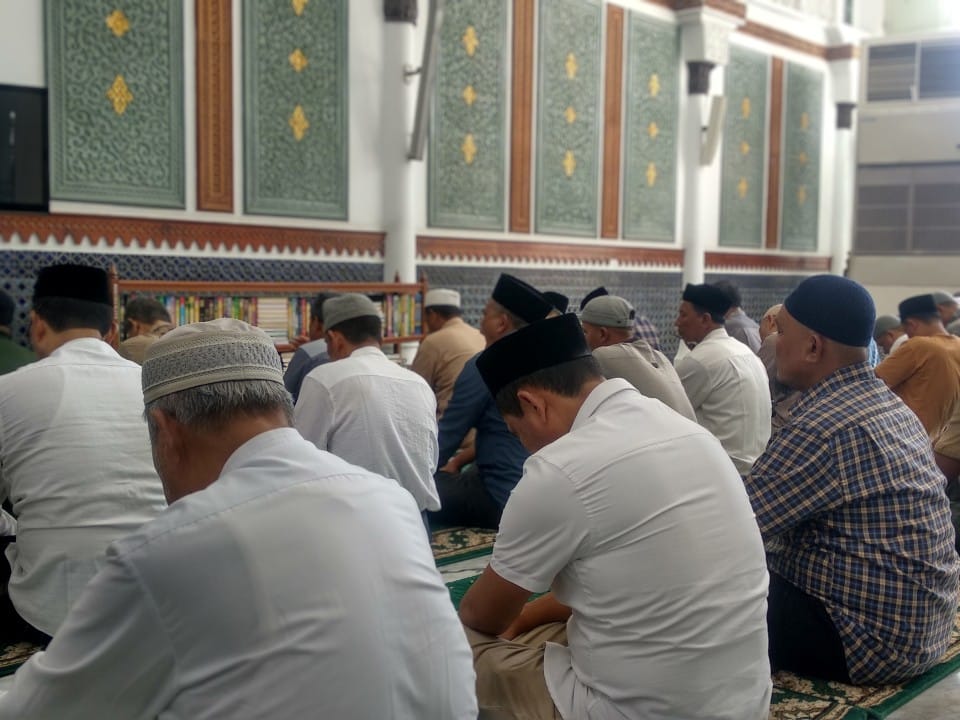
The period goes far beyond dietary restrictions, serving as a moment of renewal of purpose and solidarity. It is common for mosques and community centers to organize food distribution and collective prayers, strengthening social ties. The tradition of starting breakfast with dates and water remains alive, following historical customs and providing a quick replenishment of energy.
Experts and religious leaders recommend paying extra attention to nutrition during permitted eating hours. Consuming foods rich in fiber and protein early in the morning is essential to maintain satiety and energy throughout the day. Technology also plays a fundamental role in modernity, with the use of geolocation applications that accurately calculate prayer and fasting times for Muslims anywhere on the globe.




