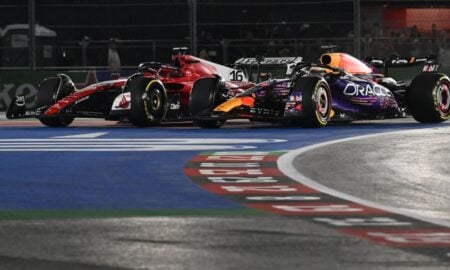
Red Bull simulations reveal flaws in the hybrid system and provoke criticism from Max Verstappen


Recent data obtained at the Red Bull facilities in Durante intense simulation sessions, both the technical staff and the pilots were faced with scenarios where the energy efficiency required by the new regulations drastically overlapped with the raw performance, creating piloting situations described as counter-intuitive and potentially dangerous. The focus of the tensions lies in the new engine architecture, which promises to divide power delivery equally between internal combustion and electric propulsion, a change that aims at sustainability, but which imposed engineering challenges that turned the driving experience in the virtual environment into something frustrating for the current world champion.
- The hybrid system requires an exact division of 50% combustion and 50% electric, creating bottlenecks in power supply on long straights.
- Drivers are forced to downshift at full throttle on the straights to force energy regeneration, a technique considered unnatural in high-performance racing.
- There was a significant increase in the reliance on active aerodynamics to compensate for the lack of sustained torque at the end of accelerations.
- The weight of the batteries and the new safety systems compromised the agility of the chassis, especially in low-speed curves.
Technical challenges of the new engine era
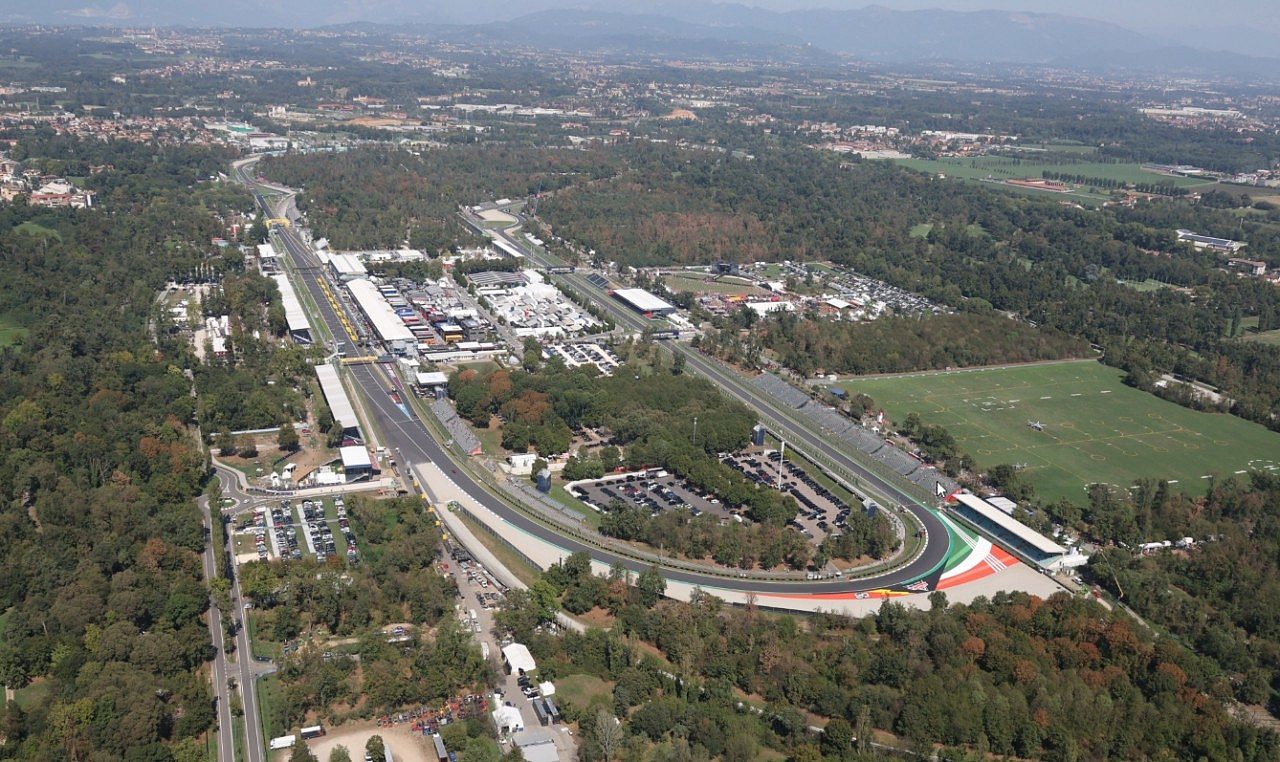
The root of the problem identified in the tests lies in the new power distribution stipulated by technical regulations. With the elimination of the MGU-H, the unit responsible for recovering energy from exhaust gases, and the consequent greater dependence on the MGU-K for kinetic energy, the electrical system needs to deliver around 350 kW, almost triple the capacity previously used. However, simulations have shown that, on high-speed circuits like Monza, the battery tends to run out long before the end of the main straights, leaving the car without electrical power at the crucial moment.

To get around this physical limitation imposed by the regulations, the drivers had to adopt a bizarre strategy of downshifting while maintaining full acceleration on the straights. Essa technique serves to keep the combustion engine’s rotation high enough to charge the batteries, even if this means sacrificing final speed. The practical result is a car that, in theory, would need to “brake” or slow down while it should be at its maximum speed, creating a scenario of unpredictability and risk to safety on the track.
In addition to the critical battery issue, active aerodynamics has become a fundamental and, at the same time, problematic piece in this engineering puzzle. To compensate for the loss of power at the end of straights due to electrical exhaustion, cars now rely on a complex system of moving wings, both front and rear, to drastically reduce drag. If this system fails or is not perfectly synchronized with power delivery, the vehicle becomes unstable and slow, turning driving into an exercise in technical survival.
Mathematics prevails over driving instinct
The central criticism of Max Verstappen revolves around an unwanted paradigm shift: the race stops being about who is the fastest and becomes about who is the best mathematician in the cockpit. The Dutch driver argued that, during the simulation laps, the main concern was not attacking the corner or defending a position, but rather ensuring that the numbers on the steering wheel’s display closed the energy bill for the following lap, removing the element of purity from the competition.
This overly cerebral approach removes the instinctive factor that separates great champions from good drivers. Embora tire and fuel management has always been part of Fórmula 1, managing microseconds of electrical energy in each section of the route increases complexity to a level that can alienate the public and frustrate competitors. The feeling of “flying a computer” has never been more literal than in the models tested for this new generation of regulations.
Impact on the future of the team and contracts
Dissatisfaction with the technical direction of the category raises questions about the permanence of the big names on the grid in the long term. Verstappen, who has a contract with Red Bull until 2028, has always made it clear that his continuity in the sport is intrinsically linked to the pleasure of driving and the competitiveness of the equipment. If automobiles become excessively complex and slow due to energy constraints, the risk of early retirement or a move to other categories increases considerably.
For Red Bull Powertrains, the team’s engine division that now operates independently and with support from Ford, the simulator data represents a shower of cold water, but also a crucial opportunity for correction. Identificar these catastrophic failures in the virtual environment save millions in physical development and avoid embarrassments on the real tracks. The pressure is now on the software and design departments to mitigate the conceptual defects imposed by the regulations before the cars hit the asphalt.
The current scenario outlines a political battle behind the scenes of Federação Internacional of Automobilismo (FIA). Teams, guided by the alarming data presented by Red Bull, may push for last-minute adjustments to sporting regulations to allow greater freedom in fuel flow or battery capacity. The objective is to prevent cars in the highest category of world motorsport from being seen, in the words of the drivers themselves, as “technological tractors” instead of high-performance machines.
Keywords for SEO and Indexação:
Regulation Fórmula 1, Red Bull Powertrains, Max Verstappen problems, hybrid engine testing
Long-tail keyword:Red Bull Racing battery simulation failures
Sources researched and references:
https://ge.globo.com/motor/formula-1/
https://motorsport.uol.com.br/f1/
https://www.grandepremio.com.br/f1/