
Samsung implements thermal solution on Exynos 2600 that promises an end to coolers on gamer cell phones

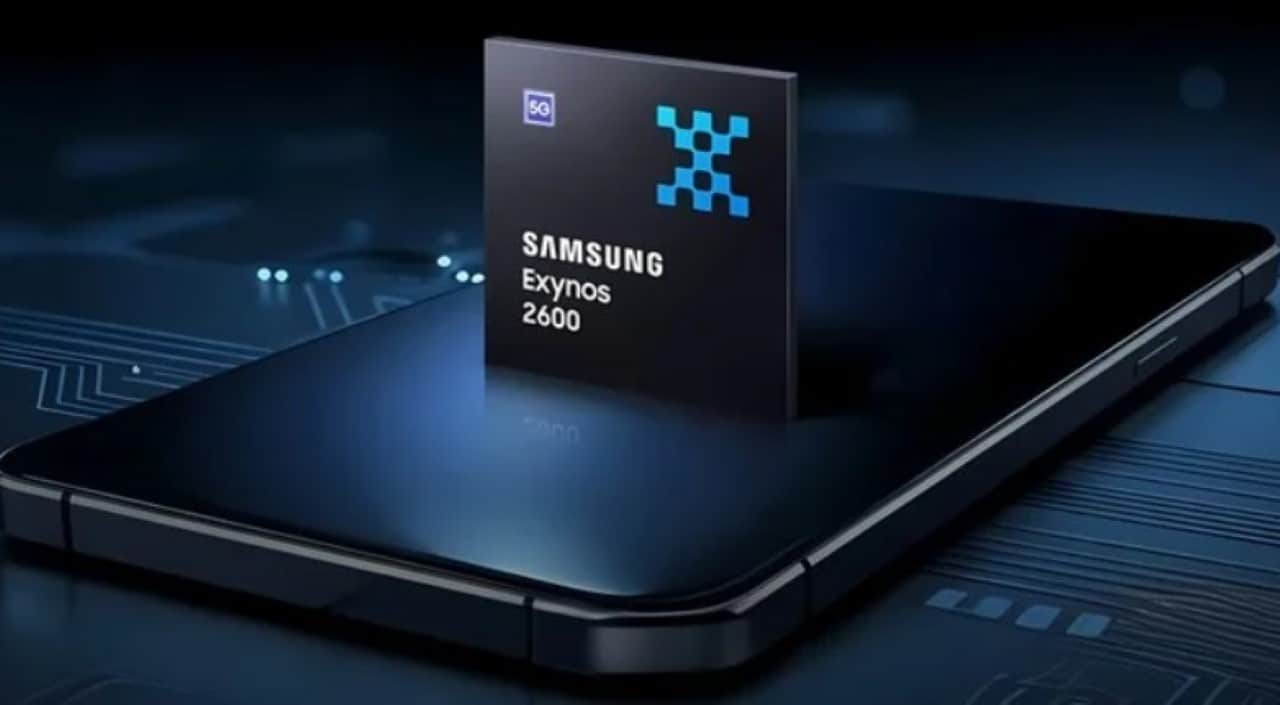
The semiconductor industry is witnessing a significant advancement in the thermal management of mobile devices with the introduction of Heat Pass Block technology by Samsung. The new Exynos 2600 processor integrates this innovative architecture to optimize heat dissipation directly at the source, eliminating the need for external or internal fans in high-performance smartphones. The structural change aims to guarantee stability in heavy tasks without the noise generated by mechanical components.
Engineers at the South Korean giant redesigned the layout of the chipset’s internal components to enable this efficiency. The implementation of an integrated copper block on top of the processor die creates a direct channel for temperature transfer, reducing thermal resistance that has historically limited the performance of SoCs in confined spaces.
New leaked Snapdragon 8 Elite Gen 6 Pro (SM8975) Diagram shows the new “HPB — Heat Path Block”
High Performance with High Heat dissipation.
Samsung revealed a 30% Heat Dissipation improvement with thermal resistance reduction by 16% to run stable at high Frequencies.pic.twitter.com/yymbqZ8cZG
— TECH INFO (@TECHINFOSOCIALS)February 12, 2026
Preliminary tests indicate that the solution maintains system integrity even under intense computational stress. The elimination of thermal barriers allows the hardware to operate at high frequencies for longer periods, solving one of the main bottlenecks faced by cell phone manufacturers aimed at gamers.
The strategy reflects a trend towards miniaturization combined with raw power, where physical space is a scarce resource. By removing the need for bulky active cooling systems, it opens the way for thinner designs and higher capacity batteries, changing the construction dynamics of the next top of the range.
Technical functioning of the HPB system
The Heat Pass Block works by repositioning critical elements such as DRAM memory, which traditionally blocked the chipset’s heat output. With the new configuration, the copper heatsink establishes an expressway for thermal conduction, reducing resistance by around 16% to 20% compared to conventional methods.
This physical change in chip packaging is essential to support the new 2-nanometer lithographs. The density of transistors at these scales generates concentrated heat that older passive methods could not dissipate quickly enough to prevent overheating.
Technical data indicates that the technology allows performance cores to reach peaks of 5 GHz in a sustained manner. Improved thermal control prevents the early activation of safety mechanisms that reduce processor speed, known as thermal throttling.
Competitive advantages in the market
The absence of fans represents an evolution in durability and user experience. Dispositivos with no moving parts are less subject to mechanical failures and internal dust accumulation, in addition to offering completely silent operation during gaming sessions or high-resolution video rendering.
Manufacturers adopting the Exynos 2600 will be able to focus on cleaner aesthetics and more efficient water and dust sealing. HPB technology offers clear benefits: – Significant Redução temperature in continuous use; – Manutenção stable frame rates in games; – Diminuição of energy consumption related to cooling; – Possibilidade of more ergonomic and lightweight device designs.
Comparison with current solutions
Current gaming-focused smartphone models, such as those in the RedMagic line, rely on active fans to maintain maximum performance. Embora Effective, these systems consume extra battery power and generate noticeable noise, which can disrupt immersion in quiet environments.
Samsung’s passive solution defies the logic that only active cooling can handle cutting-edge chips. By attacking the root of the problem — the thermal resistance between the die and the heatsink — HPB makes passive cooling competitive again, even for the most demanding workloads in the mobile landscape.
In graphics stress tests, chips without this technology quickly exceed the 45 degree mark Celsius, forcing performance reduction. The new system maintains temperatures at safe operating levels, preserving the useful life of adjacent components.
Impact on the semiconductor industry
The move by Samsung sparks the interest of other major chip designers, such as Qualcomm and MediaTek. The need for advanced thermal solutions is universal in the transition to smaller manufacturing nodes, suggesting that the concept of heat transfer blocks could become an industrial standard in the coming years.
Implementation on the Exynos 2600 serves as a proof of concept for large-scale commercial viability. The technology is not just restricted to the brand’s proprietary processors, it is available to partners who use the company’s foundries to manufacture their own components.
Analysts predict that the generation of devices launched from 2026 onwards will already incorporate variations of this architecture. Thermal evolution is considered the next big leap in unlocking the full potential of generative artificial intelligence running locally on devices.



