
Toyota sets production of renewed SUV in Sorocaba with 223 horsepower engine and plug-in system


The Sorocaba industrial unit was confirmed as the nerve center for the manufacture of the Japanese automaker’s next generation of sports utility vehicles, marking a new chapter in the company’s strategy for América Latina. The big bet for the launch cycle, which targets the 2027 model year, involves a complete restructuring of the engine and vehicle dynamics of one of its best-selling products. The main novelty lies in the introduction of an unprecedented propulsion system for the model in the region, raising the level of competitiveness against Chinese automakers that have been gaining ground in the national territory.
This strategic update is not just about aesthetic touches, but represents a profound mechanical evolution. The central focus is on the implementation of plug-in hybrid technology (PHEV), a growing demand from consumers who seek the efficiency of electric cars combined with the safe range of combustion engines. With this maneuver, the manufacturer hopes to consolidate its leadership in the medium SUV segment, offering a product that balances sporting performance with energy efficiency superior to current standards.
High power and new hybrid mechanics
The heart of the new 2027 line is the mechanical package that promises to transform the driving experience. Diferente from previous configurations, the new plug-in hybrid system has been calibrated to deliver a combined power of 223 horsepower. Este number represents a significant leap compared to current models, positioning the vehicle at a new level of performance. The objective is not just to present cold numbers on a technical sheet, but to offer a much more agile acceleration response, ensuring safe overtaking and more pleasurable driving on the roads.
The brand’s engineering worked on the integration between an efficient combustion engine and more powerful electric motors, powered by a larger capacity battery. The result is a refined balance between performance and sustainability. The transmission has been tuned to handle the immediate torque of the electrical system, providing linear power delivery. Essa configuration allows the SUV to operate vigorously in high-demand situations, while maintaining the quietness and smoothness characteristic of electrification at low speeds.
In addition to brute force, the system was designed to maximize thermal efficiency. Intelligent energy management constantly monitors driving conditions and driver demand, seamlessly switching between drive modes or combining both to extract maximum performance. Isso eliminates the feeling of lack of power on steep climbs or with the vehicle loaded, a common criticism in conventional hybrid models of past generations.
Electric range and consumption efficiency
One of the biggest technical differences of the updated model is its ability to run in purely electric mode. The specifications indicate a range of up to 70 kilometers without the need to activate the combustion engine. Essa distance is enough to cover the vast majority of daily trips in urban centers, allowing many owners to use the vehicle as an electric car during the week, leaving the gasoline engine only for longer trips or specific situations.
The practicality of recharging was also included in the project. The system supports charging from conventional 220V sockets, with the ability to recover 80% of the battery charge in approximately two and a half hours. Essa feature democratizes access to plug-in technology, reducing dependence on public fast charging stations and allowing energy “supply” to be done in the home garage or workplace with simple electrical infrastructure.
When operating in hybrid mode, the vehicle demonstrates impressive consumption figures for an SUV of its size and weight. The model is estimated to achieve an average of 16 km/l, combining the use of the thermal engine with electrical support. Essa energy efficiency, combined with extended autonomy, solves the “range anxiety” common in 100% electric vehicles, offering a robust transition solution for the Brazilian and Latin American market, where charging infrastructure is still under development.
Visual renewal and embedded technology
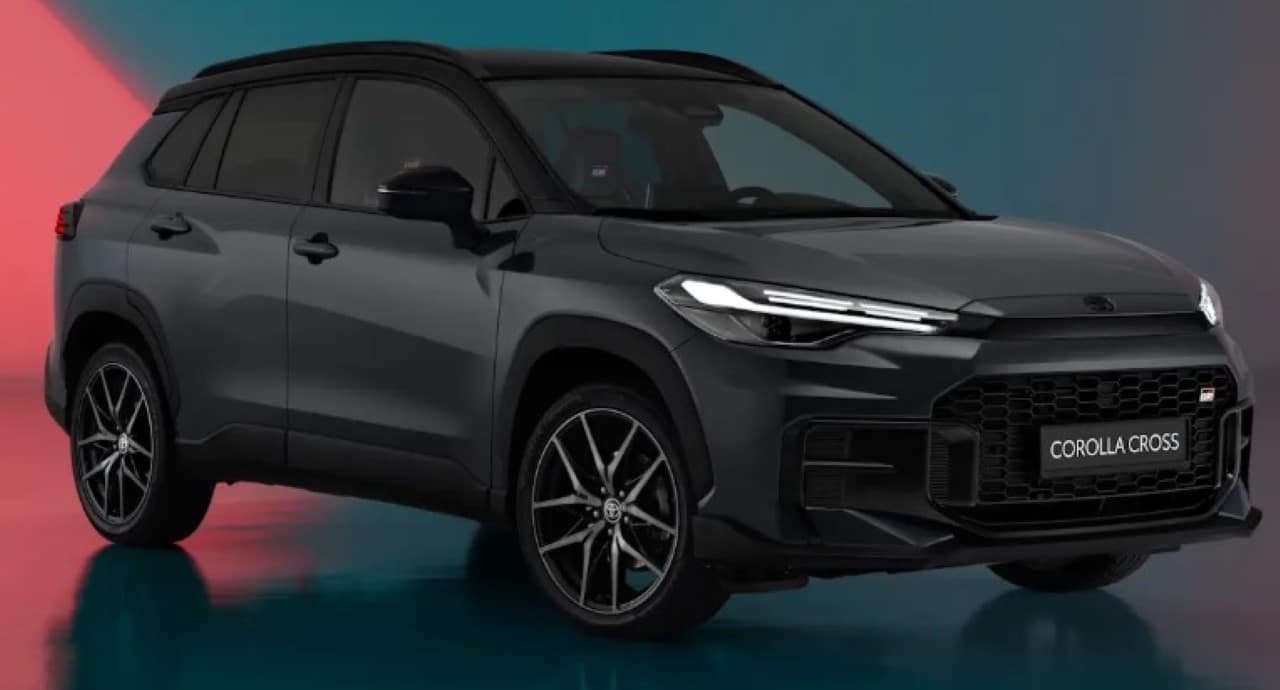
Aesthetically, the SUV will adopt a more aggressive design language in line with the brand’s global trends. The front will receive a new front grille with a gradient finish, integrated into the bumper in a more fluid way. The optical assembly was also redesigned, incorporating LED headlights with a new light signature, connected by a bar that crosses the grille, giving the vehicle a wider and more modern appearance. Essas changes are not just cosmetic, but seek to improve aerodynamics and visual presence on the streets.
At the rear, the headlights also receive a new internal LED layout, modernizing the nighttime look. Novas light alloy wheels were designed to compose the visual package, varying according to the version. The designers’ intention was to create a style that conveys sophistication and technology, attracting a consumer profile that values both aesthetics and functionality.
The interior of the vehicle is undergoing a digital revolution. The analog instrument panel gives way to a 12.3-inch fully digital screen, configurable to display the information that the driver deems most relevant. In the center, a new 10-inch multimedia center takes control of the car’s entertainment and settings, offering wireless connectivity for Android Auto and Apple CarPlay, eliminating the need for cables spread across the console.
Technological comfort is increased with the inclusion of a more powerful 15W induction smartphone charger, ensuring quick recharges during the journey. The interior finish also received attention, with new soft-touch materials and upholstery options that elevate the perception of quality, creating a more welcoming and premium environment for all occupants.
The arrival of the GR-Sport version
Responding to requests from enthusiasts and seeking to rejuvenate the customer base, the 2027 line will mark the debut of the GR-Sport configuration. Diferente of versions that only feature visual props, this model received direct attention from the Gazoo Racing division. The changes include a recalibrated suspension, with new springs and shock absorbers, which reduce the height from the ground by 10 millimeters, improving the center of gravity and stability in curves.
The chassis structure received specific reinforcements to increase torsional rigidity, which translates into a more direct response to steering wheel commands. The electric steering has also been tuned to offer more precise and weighty feedback, better connecting the driver to the road. Essas changes transform the dynamics of the SUV, making driving on winding stretches more engaging and safe.
Visually, the GR-Sport version stands out for its exclusive bumpers, front grille with a honeycomb pattern and 18-inch wheels with a specific design. Inside, seats with greater lateral support, contrasting stitching and the GR emblem on the steering wheel and headrests reinforce the sporty theme, offering a complete package for those looking for performance combined with family practicality.
National production and export strategy
The confirmation of the production of these new models at the Sorocaba factory reaffirms the automaker’s commitment to the Brazilian market and to the export platform for América Latina. The investment required to update the assembly line and nationalize components of the plug-in hybrid technology and the new platform demonstrates a long-term vision.
The Brazilian plant will serve as a supply hub for several countries in the region, strengthening the trade balance and the competitiveness of the local industry compared to imports. The nationalization of parts is a crucial step to guarantee competitive prices and maintain sales leadership in the category, in a scenario where competition intensifies every day with the arrival of new Asian and European players.




