
Volkswagen expands offensive against Fiat and bets on new models to lead the national market

The Brazilian automotive scenario is going through a period of intense competitiveness, marked by Volkswagen’s aggressive approach to market leadership, historically maintained by Fiat in recent years. The German automaker implemented a robust portfolio renewal and price repositioning strategy, resulting in a significant reduction in the difference in registration volume between the two giants. The movement is not just a monthly fluctuation, but indicates a trend of fierce competition for national consumer preference, supported by products that combine embedded technology and energy efficiency.
The German manufacturer’s reaction is based on solid pillars, replacing iconic models from the past with more modern and safer versions, without losing competitiveness in the entry-level segment. The consolidation of the Polo, especially in the Track version, demonstrated the brand’s ability to offer a worthy replacement for the Gol, capturing both fleet owners and the end consumer. Além In addition, the constant updating of the SUV line, which today represents a considerable share of the revenue of automakers in the country, has been decisive in keeping sales numbers on a constant rise.

Strategic renewal and strength of SUVs
To sustain this growth and challenge the hegemony of its Italian competitor, Volkswagen is investing heavily in updating its already established sports utility vehicles. The T-Cross, which remains one of the references in the compact SUV segment, received aesthetic and interior finishing improvements that reinforced its perception of value. The strategy involves not only aesthetics, but the offering of technology and active safety packages from intermediate versions onwards, putting pressure on rivals to match their offerings.
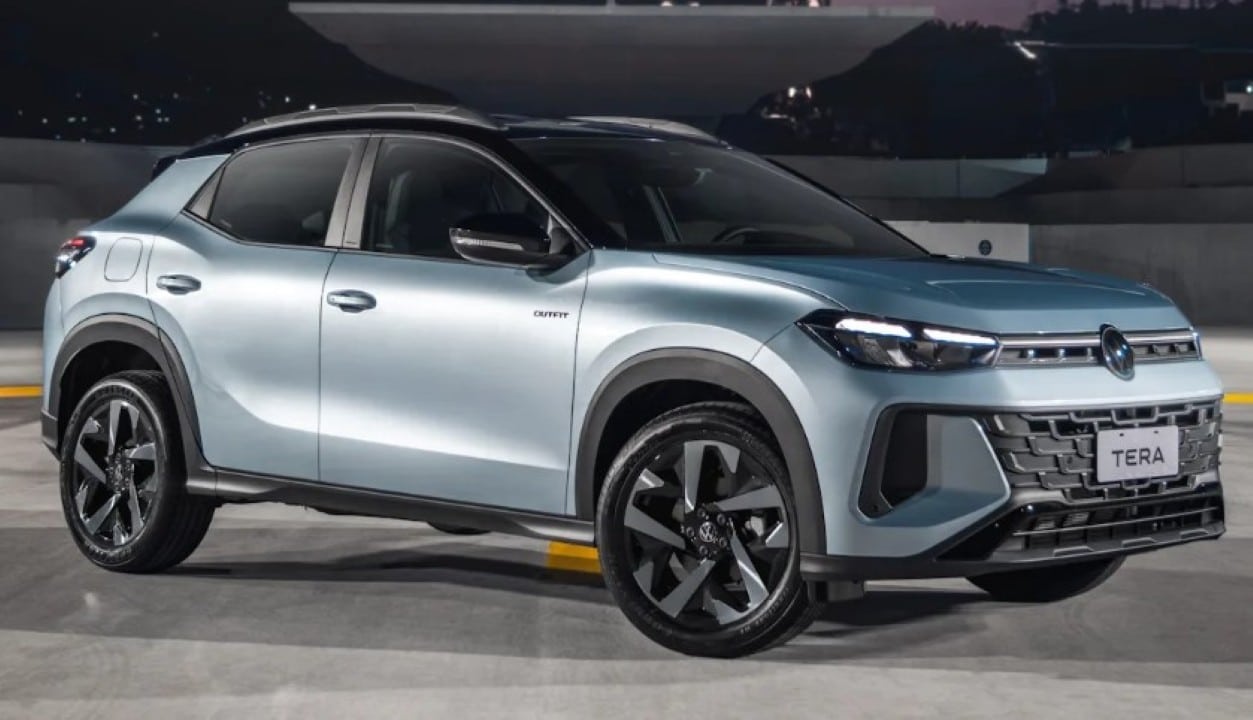
Within this offensive, the arrival of new members to the family of vehicles is expected as a watershed. The market is closely observing the positioning of the unprecedented Tera, a model designed to act at the base of the SUV category, filling a strategic gap below the Nivus and the T-Cross. The expectation is that this launch will bring massive sales volume, attracting customers who seek the robustness and ground clearance of a utility vehicle, but with more accessible dimensions and prices, competing directly with the entry-level versions of the Stellantis’s rivals.
Impact on competition and consumer benefits
The response of Fiat and other automakers to this pressure has created a favorable environment for those looking to purchase a brand new vehicle. The fight for leadership forces brands to be more aggressive in their commercial policies, resulting in used vehicle appreciation bonuses, subsidized financing rates and direct discounts on the invoice. The Brazilian consumer, increasingly demanding in relation to connectivity and security items, finds himself at the center of a battle that prioritizes the delivery of technological content.
Market analysts point out that the fight for the top of the sales ranking in 2026 will depend on the production capacity and logistical agility of automakers. With the global supply chain more stabilized, prompt delivery availability has become a competitive differentiator. Volkswagen, by nationalizing the production of components and adjusting its factories to the MQB platform, guaranteed flexibility to meet growing demand, placing itself in a real threat position to the reign of Fiat in the year to date.
The clash between the two historic manufacturers reshapes marketing and after-sales strategies throughout the national territory. Enquanto to Fiat defends its position with the strength of the Strada pickup truck and the versatility of the Pulse and Fastback; Quem benefits from this rivalry is the domestic market, which receives more up-to-date, efficient products aligned with global mobility and design trends.
Searched keywords
Volkswagen, Fiat, automotive market, car sales.
dispute for leadership in the Brazilian automotive market.



