
Amazon delivery man stranded on dangerous route in UK after following GPS directions
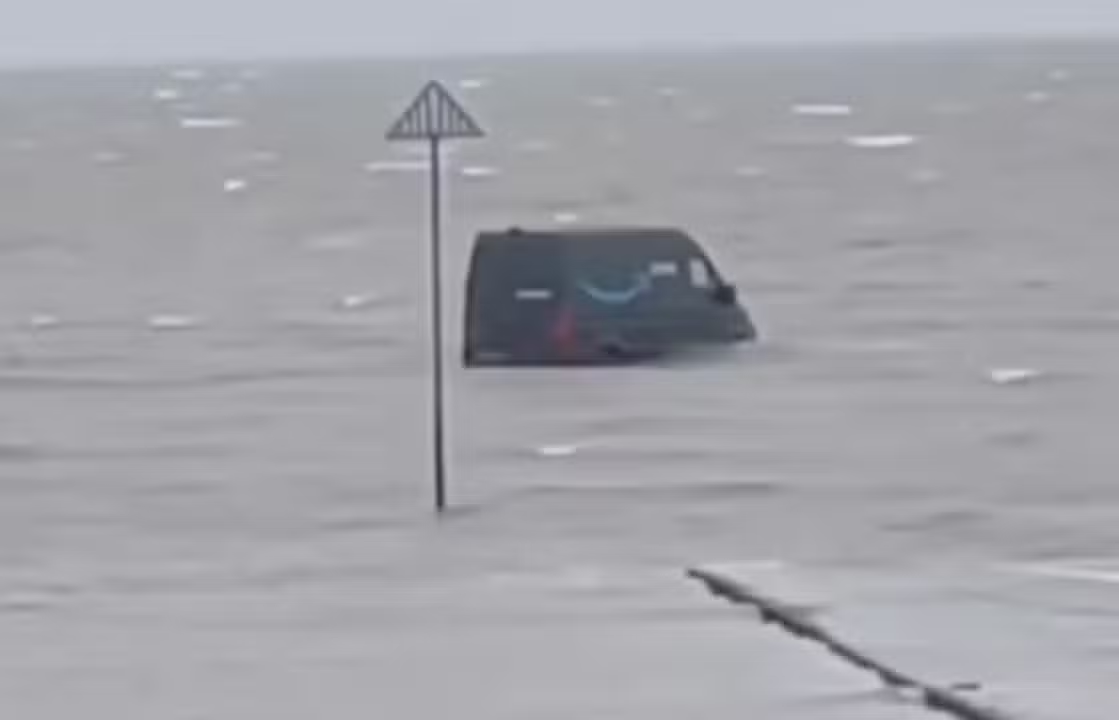
A delivery driver from company Amazon had an unusual incident when his vehicle was stranded on a dangerous route in Reino Unido last Sunday. The driver was following the directions of a GPS system when he ended up driving the van into an area of mud and water in Great Wakering, in the region of Essex, Inglaterra. The attempt to make a delivery in an isolated location resulted in the car being abandoned due to the rapid rise of the tide in the coastal area.
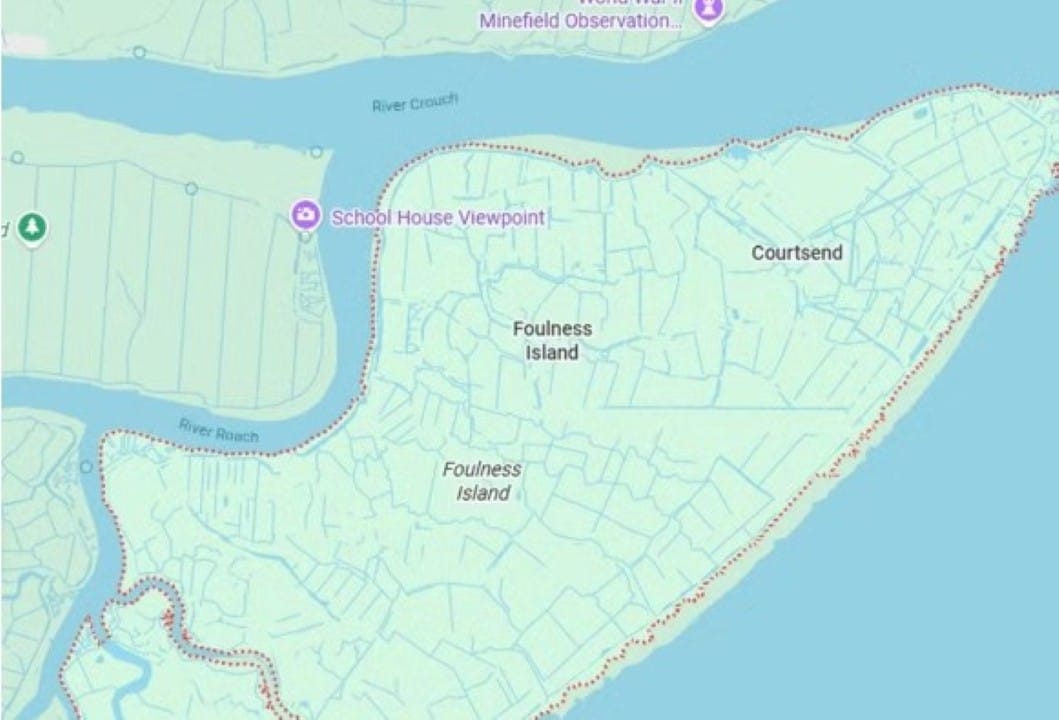
The incident mobilized local authorities and generated warnings about the risks of blindly trusting navigation technologies in complex geographic areas. Segundo reports from witnesses and security authorities, the driver was trying to access Ilha Foulness through a path known as The Broomway. Esta route is historically famous for being extremely treacherous and not suitable for ordinary motor vehicle traffic.
The circumstances surrounding the incident reveal details about the dangerous nature of the region:
- The The Broomway route has around 600 years of history and is mostly made up of mud banks.
- Access is restricted and belongs to Ministério of Defesa of Reino Unido, being used for weapons testing.
- High tides in the region of Essex can isolate vehicles within minutes, making recovery nearly impossible without heavy equipment.
- Local signage warns that the route should only be covered on foot and with the help of specialized guides.
Strategic location and military restrictions on Essex
Ilha Foulness is not a common destination for everyday deliveries, as the territory is managed by military authorities for national defense purposes. Public access is strictly controlled and is only permitted when the shooting ranges are not in operation, which requires prior coordination and knowledge of security barriers. The driver, when following the digital route, ignored or did not realize that the suggested route crossed a dangerous exclusion zone during a period of climate vulnerability.
Ministério of Defesa keeps the area under constant surveillance due to the testing activities taking place at the site. Veículos civilians who attempt to cross the mud banks without authorization put not only logistical assets at risk, but also the integrity of security operations. The Amazon van was visibly submerged in part of the structure, highlighting the strength of the waters that wash the British coast in that specific strip of land.
Historical risks of the British ancient route
The British Guarda Costeira issued an official statement reinforcing that the Broomway is considered one of the most dangerous routes in the entire Europa. Historicamente, the path was responsible for several fatalities over the centuries, with the last record of death dating back to 1919, according to the region’s documentary archives. The unstable nature of the ground causes heavy vehicle tires to instantly lose traction, causing the immediate bogging that was seen in Sunday’s incident.
Local navigation experts highlight that mud banks are unpredictable and can change configuration depending on the strength of sea currents. Para For those who are not familiar with the geographical landmarks of the area, the illusion of solid ground can lead to fatal decisions while driving. Recovering the vehicle required a complex lifting operation, carried out hours after the driver managed to leave the scene safely to seek help.



Internal investigation and international logistics protocols
Amazon confirmed through a spokesperson that it has initiated a detailed internal investigation to understand how the driver was directed to such a restricted access area. The technology company seeks to identify whether there was a failure in the navigation software mapping or whether traffic safety instructions were neglected by the operator at the time of the route. Incidentes of this nature usually generate updates in geographic databases to prevent new vehicles from being sent to risk areas.
Modern logistics systems rely heavily on the accuracy of satellite data, but this case has sparked debate over drivers’ autonomy from machines. Operational safety is a priority for large fleets, and the loss of a vehicle in a river highlights the need for specific training for rural or military deliveries. The company did not disclose whether the package intended for Ilha Foulness was delivered by other means after the accident with the original van.
Coast Guard Safety Procedures and Rescues
The actions of the rescue teams were essential to prevent the incident from turning into something more serious for the driver. Guarda Costeira monitors the Great Wakering region with increased attention during high tide cycles, knowing well the history of tourists and workers who get stuck in the mud. The use of guides is the only accepted recommendation for those who wish to cross the Broomway, precisely because of the fluctuation of the tides, which can rise overwhelmingly.
- The isolation of the site is maintained by gates and vertical signage at strategic entry points.
- Specialist lifting equipment was required to remove the van without causing further environmental damage.
- Local authorities reinforce that GPS does not replace direct observation of safety conditions and traffic signs.
Impact of technology on driving freight vehicles
The navigation error points to a growing challenge in the transport sector, where technological dependence can mask obvious physical dangers along the way. While digital maps make life easier for thousands of couriers every day, they do not always reflect temporary tidal restrictions or military testing areas. Este event serves as a reminder to road professionals about the importance of validating routes suggested by apps before entering unfamiliar or sandy terrain.
The recovery of the van was followed by local residents and curious people, who recorded the retail giant’s vehicle surrounded by salt water. Maintaining safety on UK routes depends on collaboration between technology companies and traffic authorities to correctly mark “dead zones” for vehicles. The operational cost of such incidents includes not only the material damage to the car, but also the logistical delay and the mobilization of public emergency services.
Operational consequences for couriers in isolated areas
Working in coastal regions requires technical knowledge about variations in relief and climate that are not always integrated into global GPS systems. The driver involved in the case of Essex had to act quickly to ensure his own safety before the water reached critical levels inside the cabin. The experience serves as a warning to the entire logistics network that operates in Reino Unido about the hidden dangers of historic paths that remain open only to pedestrians.
Veja Tambem em News (EN)

Research reveals that parents are unaware of how their children use artificial intelligence

Samsung releases new system update with new features for Galaxy Watch 4 users

Digital retail reduces the value of the Galaxy S25 5G smartphone with bank bonuses and device exchange

Amazon’s wireless CarPlay adapter has a 50% discount and high approval ratings from drivers

Zach Cregger’s new Resident Evil ignores games and focuses on an unprecedented story with new characters

Rumor suggests that Nintendo is preparing a special edition of the Switch 2 with a remake of Ocarina of Time

Apple accelerates production of the iPhone 17e and develops new Air model with dual camera system

Epic Games platform releases twelve high-budget games at no permanent cost for PC users

PlayStation 5 Pro price drop accelerates digital retail sales and eliminates global stocks

New Galaxy Watch 9 firmware appears on server and confirms progress in software development

Apple’s commemorative project tests cell phone with 1.1 millimeter edge and curved screen for 2027
