
Apple plans to launch four MacBook models with budget options and next-generation OLED screens


The Cupertino giant is restructuring its line of portable computers with an aggressive strategy for the year 2026, aiming to cover different market segments simultaneously. Informações recent reports from supply chain analysts indicate that the company is preparing to launch four new MacBook models, ranging from entry-level devices focused on the education sector to high-performance machines with new display technologies. The initiative seeks to consolidate the brand’s presence both in corporate environments and in schools and universities, where cost has been a historical barrier to the mass adoption of apple products.
This move represents one of the biggest diversifications in the company’s portfolio in recent years, signaling a direct response to competition from more accessible platforms. The schedule calls for staggered releases throughout the year, starting with performance updates in the first half and culminating with significant redesigns in the second half of 2026.
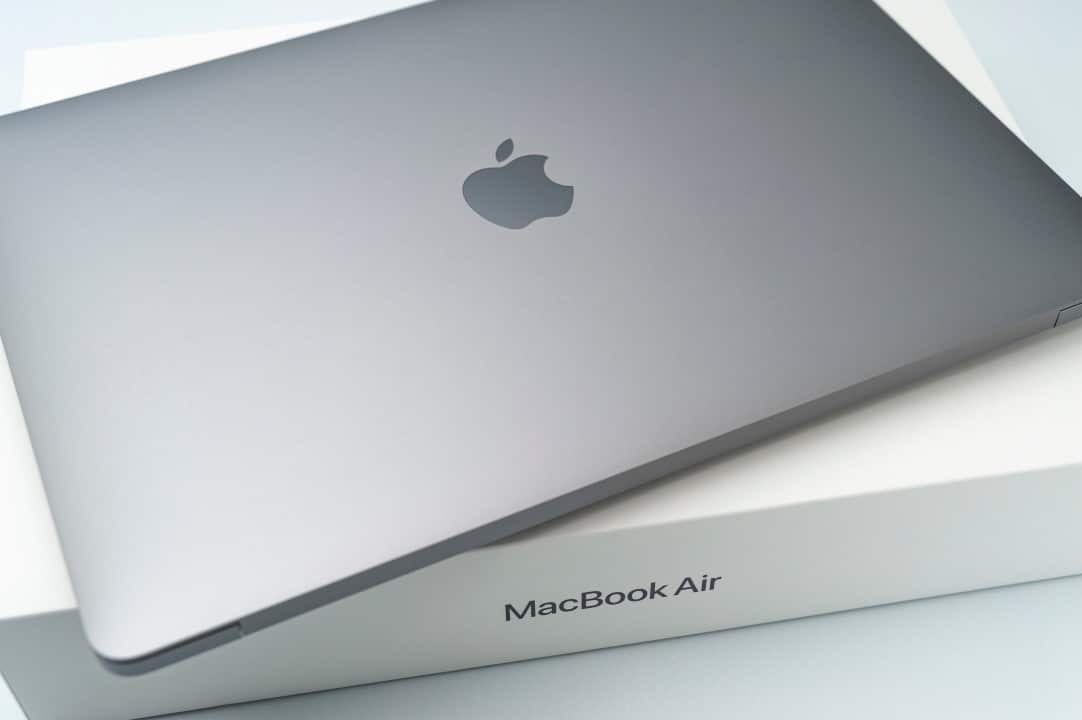
Entry model focused on the education sector
One of the main developments is the development of a low-cost MacBook designed to compete directly with Chromebooks and Windows laptops in the education market. The Este device must be equipped with the A18 Pro chip, the same processor used in the iPhone 16 Pro line, ensuring energy efficiency and adequate processing capacity for everyday tasks, web browsing and light productivity applications. Choosing this processor allows the manufacturer to reduce production costs without sacrificing integration with the software ecosystem.
To reach an estimated price range between 699 and 899 dollars, the model must present some concessions in terms of hardware. The chassis will use more economical materials, although it will maintain the brand’s characteristic industrial aesthetic, and the screen will be a 13-inch LCD panel, differing from the high-resolution displays present in more expensive lines. Além Additionally, connectivity will be based on the conventional USB-C standard, without support for Thunderbolt technology, which simplifies the logic board and reduces licensing and component costs.
| モデル | メインチップ | 画面 | 推定開始価格 (米ドル) | 主な対象者 |
|---|---|---|---|---|
| 低価格MacBook | A18プロ | 13インチ液晶 | 699-899 | 学生と基本的な使い方 |
| MacBook Air | M5 | 13 インチまたは 15 インチ | 999 | プレミアムモバイルユーザー |
| 標準MacBook Pro | M5 プロ/マックス | 14 インチまたは 16 インチのミニ LED | 1999-3499 | 中級者向け |
| MacBook Pro OLED | M6(予定) | 14ンチまたは 16インチのタッチ OLED | 非開示 | 一流のクリエイター |
Performance upgrade with the m5 series
For the general consumer and professionals looking for a balance between portability and power, the MacBook Air update is scheduled for the first quarter of 2026. The new model will integrate the M5 chip, promising a significant leap in raw performance. Testes preliminary benchmarks suggest a 12% to 15% increase in single- and multi-core performance compared to the previous generation, cementing the company’s leadership in efficiency per watt.
The most notable advancement, however, is in graphics capabilities. The M5 chip’s new GPU architecture should deliver up to 36% higher performance, directly benefiting content creators, video editors and users who use the laptop for casual games. The company remains focused on optimizing energy consumption, aiming to further extend battery life, which is already one of the strong points of the Air line, maintaining the base price at around $999.
At the same time, the MacBook Pro line will receive the M5 Pro and M5 Max chips at the beginning of the year. Fabricados Featuring TSMC’s third-generation 3-nanometer process, these processors will focus on maximizing speed and thermal efficiency. While the external design of the 14-inch and 16-inch models should remain unchanged at this stage, internal improvements will include faster SSD storage and greater memory bandwidth, setting the stage for more intense professional workflows.
Visual revolution with OLED screens and touch support
The most radical change is reserved for the second half of 2026, with the introduction of MacBook Pro models equipped with OLED screens. Esta technology, already consolidated in smartphones and tablets, will offer superior contrast levels, absolute blacks and greater energy efficiency compared to current Mini-LED panels. The implementation of OLED will also allow devices to be physically thinner, contributing to the portability of high-performance machines.
In addition to image quality, reports indicate that these premium models may introduce touch screen support, a feature that has long been debated and awaited by the user base. The integration of tactile controls aims to bring the experience of using the Mac closer to the versatility of the iPad, facilitating direct interaction with visual elements and creation tools.
Key highlights of this future generation include:
– Telas OLED with improved brightness and lower power consumption for greater autonomy;
– Suporte native to touch, marking a new era in the operating system interface;
– Possível debut of the M6 chip with advanced artificial intelligence and graphics capabilities;
– Design ultra-thin, taking advantage of the thinner thickness of the new display panels.
This clear segmentation between entry, intermediate and premium models demonstrates maturity in product cycle management. By offering options ranging from the student who needs a reliable and cheap machine to the professional who demands the latest in visualization technology, the company reinforces its ecosystem and creates competitive barriers that are difficult for rivals to overcome in the short term.



