
Apple’s new MagSafe accessory focused on accessibility runs out of stock after debut in the US


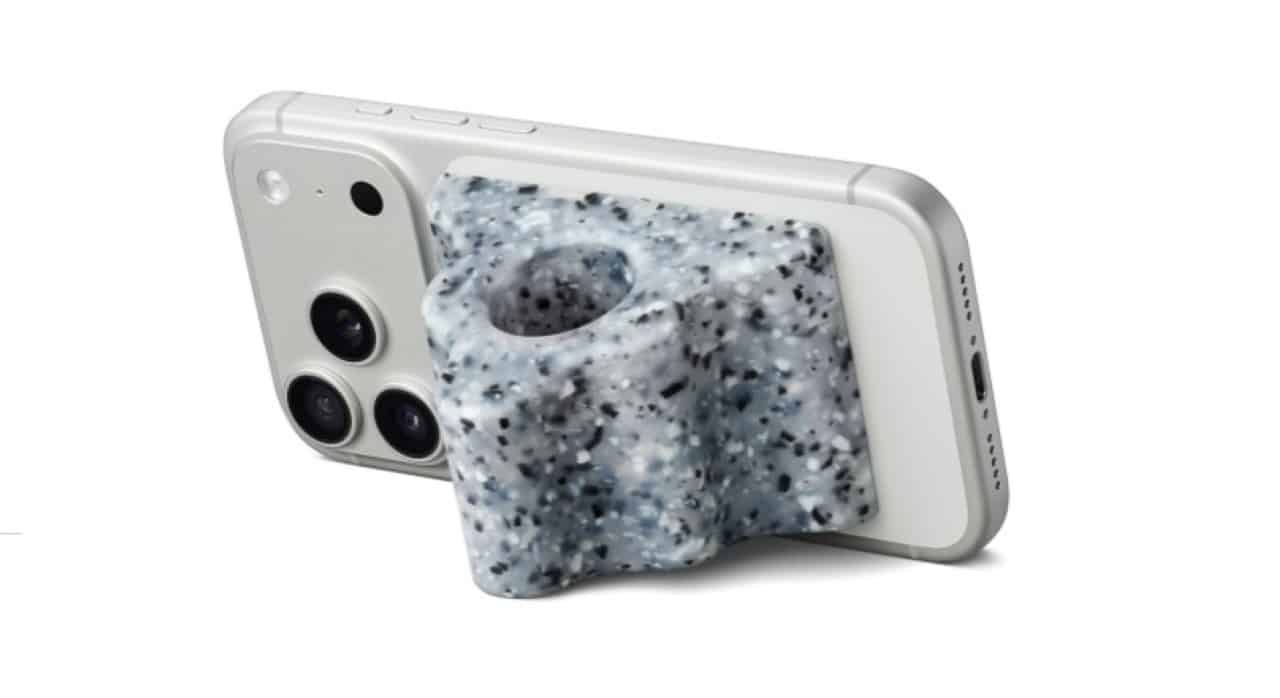
Technology giant Apple has confirmed the immediate success of its latest initiative aimed at digital and physical inclusion with the launch of Hikawa Phone Grip & Stand. Desenvolvido in direct collaboration with the designer Bailey Hikawa, based in Los Angeles, the accessory was specifically designed to serve users with reduced mobility or manual dexterity limitations. The product, which arrived on the North American market costing US$69.95, had its initial stock completely sold out just a few days after being made available on the official online store, demonstrating a pent-up demand for devices that combine refined aesthetics and assistive functionality.
This launch is not a one-off event, but rather part of a larger celebration marking four decades of the company’s ongoing efforts in the field of accessibility. Desde 1985, the company has invested in software and hardware resources that allow the use of its devices by people with different types of disabilities. The new magnetic mount integrates with the MagSafe ecosystem, allowing a firm and secure connection with the iPhone, while also facilitating removal without the need for permanent adhesives, preserving the integrity of the device and offering versatility of use.
The public’s reception was immediate, with the initial units disappearing from virtual shelves in record time, which generated waiting lines and great movement in technology and design forums. The proposal to combine a non-stigmatizing design with practical utility attracted not only the primary target audience, but also general consumers who seek greater ergonomic comfort in daily handling of increasingly larger smartphones.
Given the rapid sell-out, designer Bailey Hikawa has already announced the opening of pre-sales for new colors on her official website, with shipping expected in December. The limited launch strategy served to test market reception and confirmed the commercial viability of niche products developed with a high standard of engineering and inclusive design.
Ergonomic design and adaptive functionality
The development of Hikawa Phone Grip involved a meticulous process of research and testing with real users. Bailey Hikawa conducted extensive interviews and design panels with individuals facing motor and grip challenges, ensuring the final product solved concrete, everyday problems. The triangular shape, sculpted in soft silicone, was designed to accommodate multiple ways of holding the device, significantly reducing muscle fatigue during prolonged use.
Unlike conventional accessories that require finger strength to hold, the new grip has strategic curves and a central hole that make it easier to fit your hand. Essa feature allows the user to keep the iPhone stable with minimal physical effort, transforming the browsing, reading and video calling experience. The stability provided by the accessory was validated in various usage scenarios, from photography to interaction with accessibility applications already present in the iOS operating system.
In addition to the secure grip function, the accessory acts as a versatile support. Ele allows you to position your iPhone both vertically and horizontally, functioning as an adjustable viewing station. Essa dual functions eliminate the need to carry multiple accessories, simplifying the routine of those who need constant support when using their smartphone on tables or flat surfaces.
Materials and technical specifications
The construction of the Hikawa Phone Grip & Stand prioritizes lightness without sacrificing durability. With dimensions of 7.9 cm by 5.8 cm, the device uses a reinforced hollow structure that keeps the weight low, essential for not overloading the user’s wrist. The rubberized finish offers a non-slip texture, ensuring the device does not slide off smooth surfaces or out of your hands, providing a superior tactile sense of security.
The magnets used in manufacturing are of high quality, calibrated to ensure a robust hold compatible with all iPhone models that support MagSafe technology, including versions Mini, Plus and Pro Max. The choice of soft-touch silicone also took skin health into consideration, avoiding irritation even after hours of direct contact, a crucial detail for users who depend on the accessory throughout the day.
Concern for sustainability was also present at the launch. One of the exclusive colors, called Crater, was produced using recycled materials, aligning the product with Apple’s environmental goals. The packaging follows a minimalist line, containing only the essentials and directing the user to a digital application that tells the story of the company’s accessibility innovations, educating the consumer about the impact of these technologies.
Strategic partnership and historical context
The collaboration between Apple and Bailey Hikawa reflects a shift in the industry’s approach to assistive products. The stated goal was to create an item that did not have a medical or hospital appearance, but was desirable and aesthetically pleasing. Sarah Herrlinger, executive responsible for accessibility at Apple, emphasized that specific solutions like this complement software advancements, such as Leitor from
This launch marks the second limited product introduced in November, following the iPhone Pocket, developed in partnership with Issey Miyake. Essas collaborations indicate the company’s tendency to seek external views to innovate in areas that require human sensitivity and a deep understanding of users’ needs. Integrating direct feedback from disability communities was critical to the project’s success, ensuring the final design was truly functional.
In celebrating 40 years of accessibility, Apple reaffirms the iPhone as a central assistive tool in modern life. The commercial success of the grip, with a price positioned in the premium segment, proves that there is a market willing to pay for quality and inclusive design. The initiative serves as a case study for the industry, demonstrating that accessibility can be integrated into the design of mass consumer products in an elegant and cost-effective way.
Future availability and line expansion
With the colors Chartreuse and Crater running out of stock in the official store, attention turns to pre-sales of the new options Cobalt and The designer has already indicated plans to expand the adaptive line in the coming months, suggesting that the feedback gained from this first launch will shape future iterations of the product.
Users in the Estados Unidos who managed to purchase the first units reported fast deliveries and expressed satisfaction with the reduction in physical fatigue when using the smartphone. The possibility of international shipping for new orders expands the reach of the product, allowing innovation to reach markets outside the Estados Unidos, where the demand for accessibility solutions is also growing.
Industry experts see the potential in the partnership to set new standards in the mobile accessories industry. The discussion generated around Hikawa Grip is already moving inclusive design forums, encouraging other companies to consider adaptive ergonomics not as an extra resource, but as a fundamental pillar in the development of new technological products.



