
Bottleneck in global SUV production leads Toyota to offer hybrid alternatives to customers

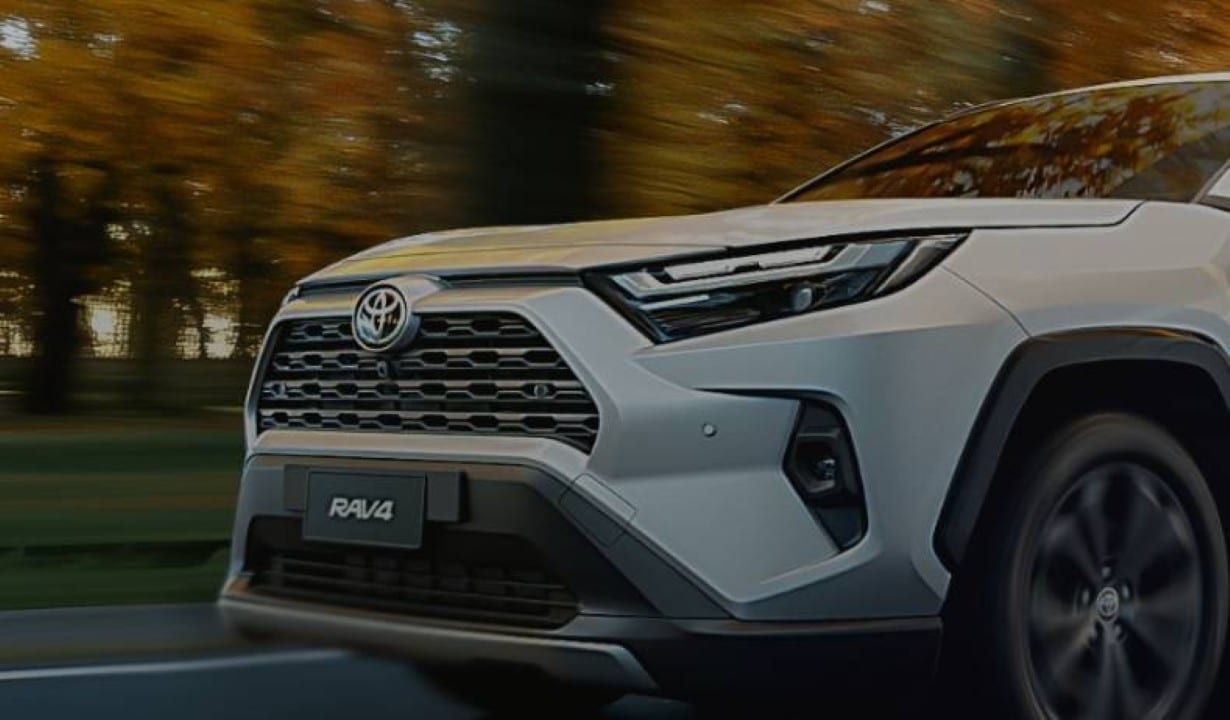
Toyota has implemented a new commercial guideline to mitigate the impacts caused by global supply chain challenges, which directly affect the availability of its most popular models. The Japanese automaker is facing logistical difficulties related to the manufacture of the 2026 RAV4 line, one of the best-selling sports utility vehicles in the world. Para To avoid long queues and consumer dissatisfaction, the company began to actively encourage the migration of orders to other vehicles in its portfolio.
The main focus of this strategy is to redirect buyers’ interest towards models that have greater immediate availability at dealerships and share similar technologies. The official recommendation from the sales team has been to present alternatives that already have consolidated electrified propulsion systems, ensuring that the customer remains with the brand. Essa measure aims to balance the flow of deliveries while production bottlenecks are not fully resolved.
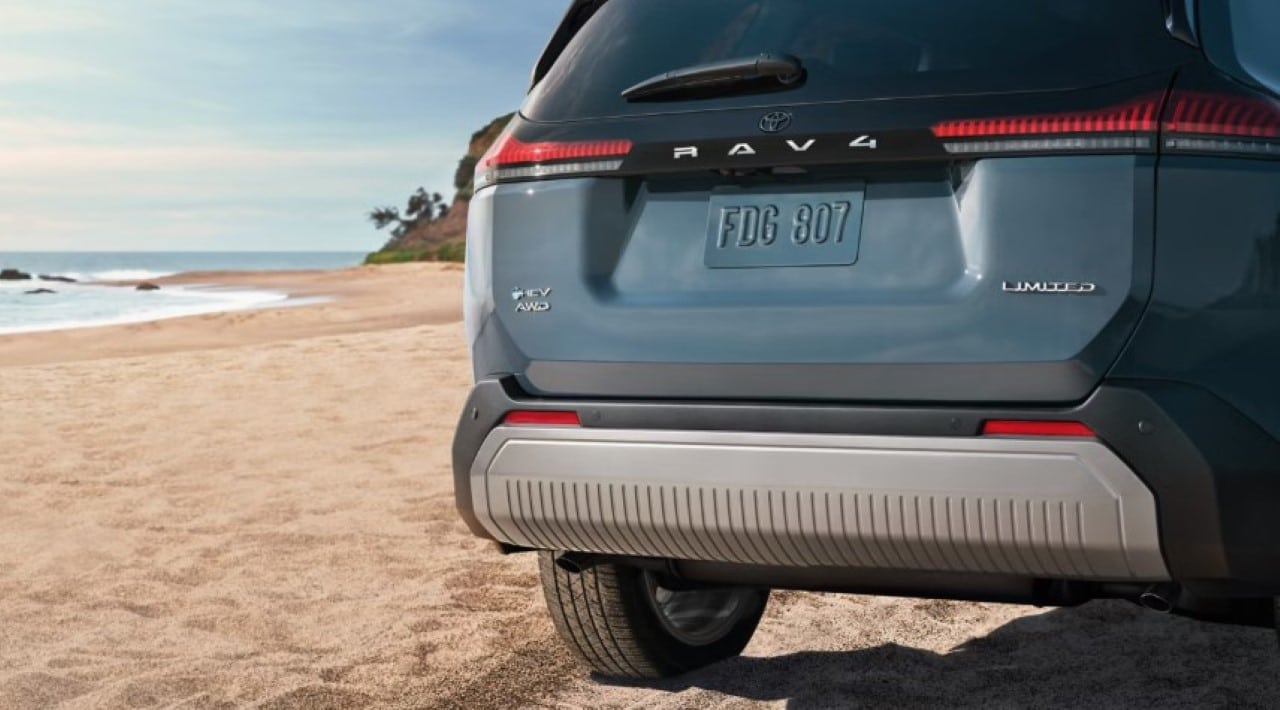
Industry experts point out that the decision reflects a pragmatic move by the automotive giant to shield its customer base against aggressive competition in the SUV segment. With the high demand for hybrid vehicles and the occasional shortage of specific components for the new generation of the RAV4, the offer of equivalent products becomes a vital tool for maintaining market share.
Challenges in the electronic components chain
The current scenario is driven by the complexity in manufacturing new high-density batteries and the continued demand for advanced semiconductors, essential for the safety and entertainment systems of modern vehicles. The new SUV’s assembly line requires hardware integration that is currently operating at restricted capacity due to delays in supply from strategic technology partners. Essa technical limitation prevents Toyota from accelerating production to the speed necessary to meet accumulated global orders.
In addition to hardware issues, distribution logistics faces its own obstacles, which has led the automaker to revise its delivery schedules for the current year. The industrial priority now is to ensure that models with stabilized assembly lines, which use component architectures already in stock, can fill the gap left by the delay of the main model. The expectation is that the complete normalization of the flow of parts for the sports utility vehicle will only occur in the second half of the year, requiring patience from consumers who insist on this specific configuration.
Retention and loyalty strategy
The commercial maneuver adopted by By offering substitute products with quick delivery, the company tries to demonstrate respect for the consumer’s time and reinforce confidence in the robustness of its hybrid ecosystem, arguing that the technology embedded in other models in the range offers equivalent energy efficiency and comfort, often with more attractive commercial conditions to close the deal immediately.
Suggested options for the consumer
Among the main alternatives presented by the dealership network is the Corolla Cross, which shares the same platform and hybrid engine as several of the brand’s models. The medium SUV is positioned as the most natural option for those looking for interior space and urban versatility.
Another highlighted option is the Camry sedan, aimed at a customer profile that prioritizes extreme comfort and performance on long journeys. The model offers a superior level of finish and driving assistance technologies that directly rival the missing utility.
The immediate availability of these vehicles is the automaker’s greatest asset in converting purchasing interest into effective sales. Enquanto the RAV4 requires months of waiting, the suggested models have regulated stocks and are ready for delivery.
Both vehicles maintain the promise of fuel efficiency and low emissions, central pillars of the Toyota philosophy. Migrating to these models guarantees the user an electrified driving experience without the current logistical hassles.
Impact on the market and competition
The movement of Toyota is closely watched by rivals such as Honda and Hyundai, which have competitive products in the same segment and could capture pent-up demand. The agility in offering internal solutions is an attempt to block the growth of direct competitors.
Market analysts suggest that if the wait for the 2026 model is prolonged excessively, the brand loyalty rate could be tested. The effectiveness of this substitution strategy will depend on the sellers’ ability to demonstrate the real value of the proposed alternatives.
Perspectives for standardization
Sources linked to the industry indicate that investments in the expansion of battery factories should begin to have an effect in the coming months, relieving pressure on the assembly line. Stabilization is eagerly awaited by dealers and customers.
Until the situation is normalized, the policy of transparency regarding deadlines and the offering of viable options will continue to be the automaker’s main tool for navigating this period of logistical turmoil.
The future of the hybrid line
Despite specific setbacks, Toyota reaffirms its commitment to the total electrification of its portfolio and continues to invest in the development of new technologies that reduce dependence on scarce components, aiming to ensure that future launches do not suffer similar interruptions.



