
Cadillac guarantees technical autonomy in F1 with production of exclusive power units for 2029

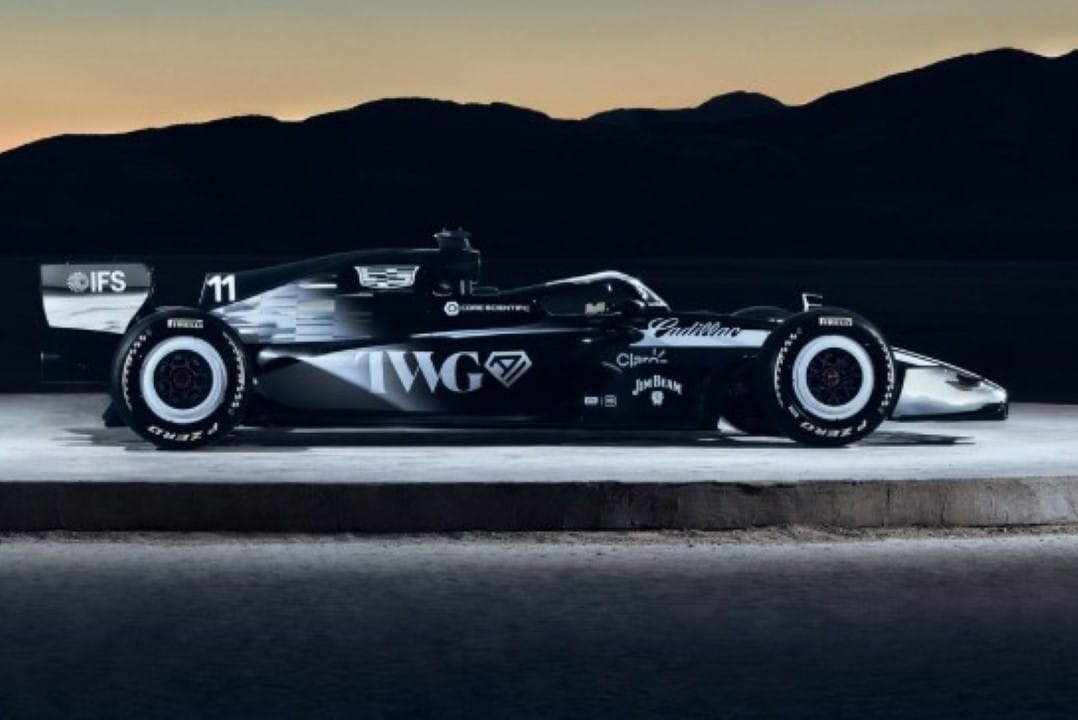
General Motors formalized a decisive step in its trajectory in global motorsport by confirming that its luxury brand, Cadillac, will assume full responsibility for the construction of its own engines. The official registration with Federação Internacional of Automobilismo (FIA) marks the manufacturer’s transition to the status of a complete construction company, eliminating dependence on external suppliers in the long term. Essa strategic movement aims to ensure total control over the car’s design, allowing perfect integration between chassis and power unit, something vital in the category. The decision reflects the financial and technical commitment of the American giant, which seeks not only to participate on the grid, but to compete for victories against historic rivals. In-house development is seen as the pinnacle of automotive engineering, enabling aerodynamic and weight distribution optimizations that would be impossible with customer engines. Além Furthermore, the initiative protects the company’s intellectual property, ensuring that innovations from the tracks reach street cars.
To make this ambitious project viable, the company has already started work in its competition development center, using advanced simulations and initial prototypes. The temporary partnership with Ferrari will only serve as a necessary technical bridge for the team to gain operational experience on the circuits while finalizing its proprietary technology behind the scenes.
ミッションは今始まります。キャデラックフォーミュラ1®チームの最初のカラーリングをご紹介します。私たちのシーズンは7 miesięcy@AppleTV米国では。pic.twitter.com/NiALWMcqGm
—キャデラック フォーミュラ 1 チーム (@Cadillac_F1)2026 od 2 do 9 czerwca
Entering as an engine manufacturer significantly changes the competition landscape, bringing direct benefits to the team’s operations, such as:
– Liberdade total to dictate cooling specifications and engine dimensions;
– Desenvolvimento chassis and thruster assembly for maximum thermal efficiency;
– Capacidade of rapid adaptation to regulatory changes without depending on third parties.
Infrastructure and recruitment challenges
The established schedule points to the debut of the power unit in 2029, which requires considerable logistical and human effort in the coming years. General Motors has invested aggressively in hiring experienced engineers from the top category paddock, merging these talents with the resources of its already consolidated racing departments at Estados Unidos. Integration between the chassis and engine design teams is critical to avoiding reliability issues that often plague new manufacturers.
Um dos focos centrais do desenvolvimento é a eficiência do sistema híbrido e a recuperação de energia, áreas que ganham cada vez mais peso nos regulamentos técnicos. A capacidade de gerenciar a potência da bateria em sintonia com o motor a combustão será determinante para o sucesso, exigindo testes exaustivos em bancadas que simulam as condições extremas de um Grande Prêmio, reduzindo a margem de erro quando o carro for para a pista.
Sustentabilidade e novas regras
Although the debut will not occur until 2029, the late entry relative to the 2026 rules cycle offers a strategic scouting advantage. The Cadillac will be able to analyze the performance and failures of rival power units during the first years of the new regulation, adjusting its design to offer a more mature and reliable solution in its first competitive season.
Alignment with global sustainability goals is also a priority, as the category plans to achieve net-zero carbon emissions by 2030. The new American engines will be designed to run on 100% sustainable fuels, serving as a real laboratory for technologies that GM intends to apply to its fleet of commercial vehicles in the near future.





