
Delay in manufacturing the RAV4 leads Toyota to recommend other hybrids to speed up delivery to the customer

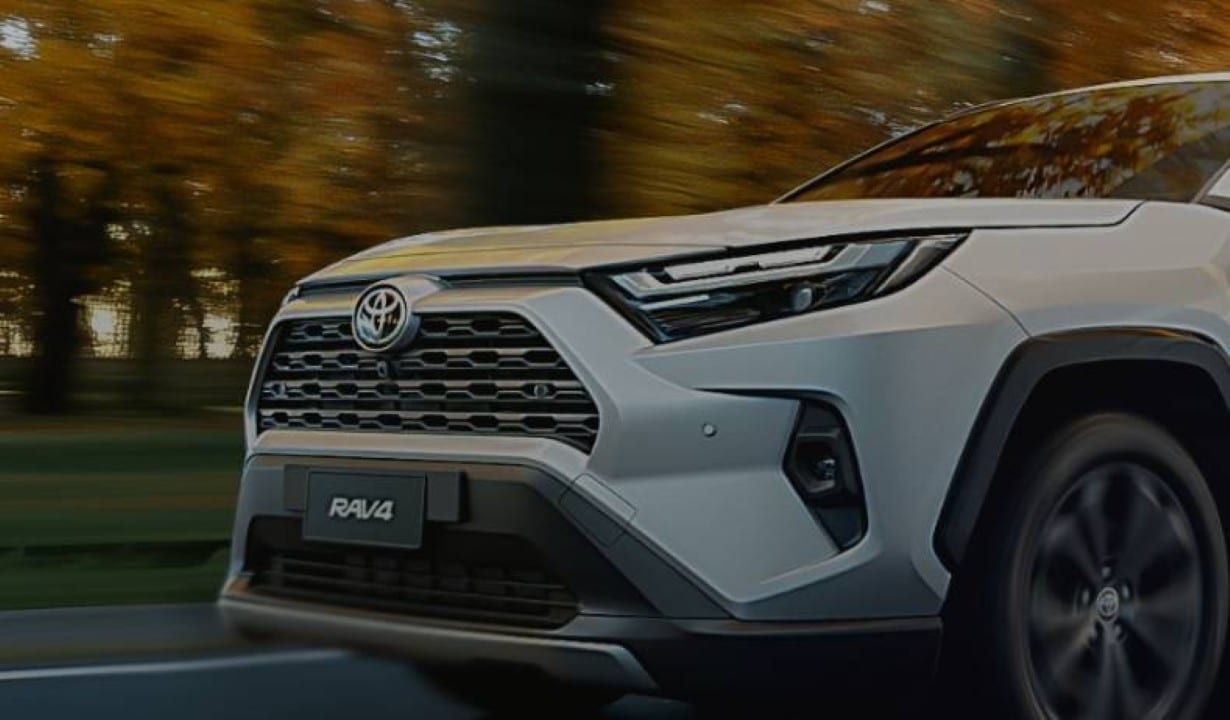
Toyota has implemented a new global commercial guideline to mitigate the impact of bottlenecks in the production of its most popular vehicles, facing logistical challenges that directly affect the launch and distribution of the RAV4 line scheduled for 2026. The central objective is to maintain customer loyalty within the brand, directing interest towards models with more agile availability and similar engine technologies.
The current scenario reflects significant pressure on the automotive supply chain, specifically regarding the transition to electrification and the availability of high-density batteries. The RAV4, being one of the best-selling sports utility vehicles in the world, has become the epicenter of this logistical issue, requiring the manufacturer to adopt containment measures so as not to lose market share to competitors who have more robust inventories.
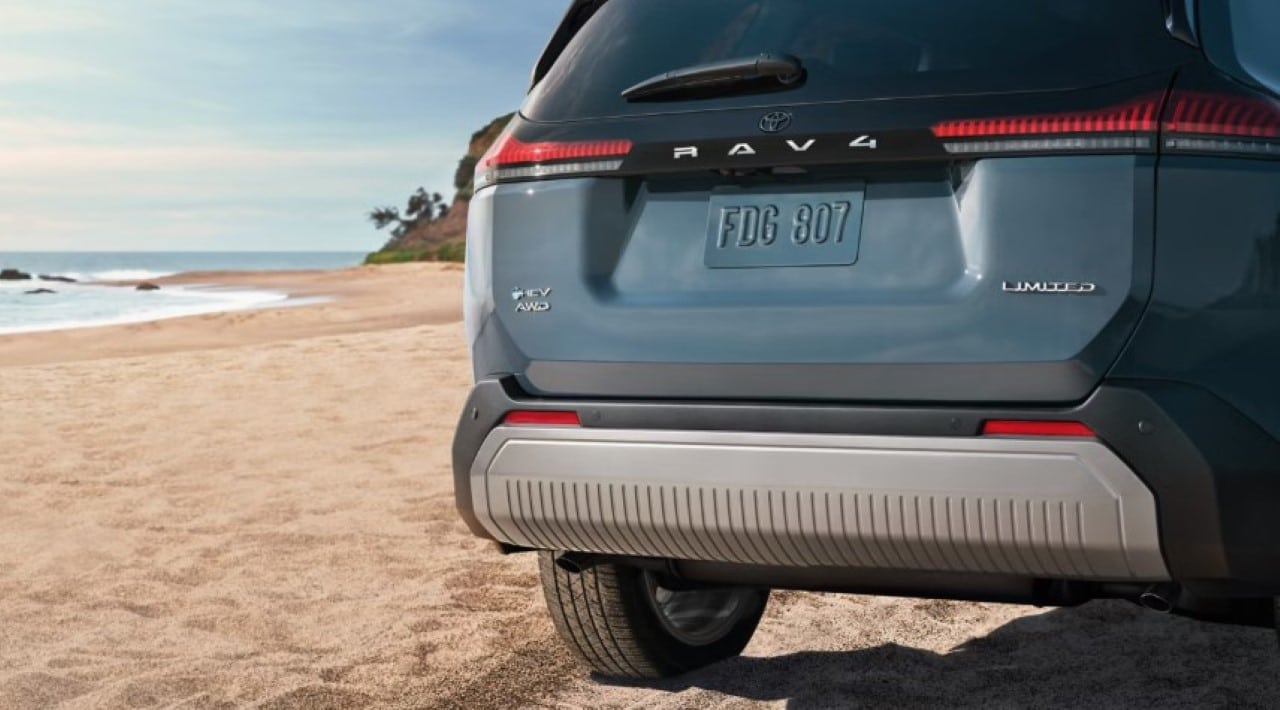
To overcome the frustration of anxious buyers, the strategy involves highlighting the attributes of other vehicles in the portfolio that share the same hybrid architecture and mechanical reliability. The company seeks to balance supply and demand, ensuring that the sales flow does not stagnate while the new SUV’s assembly lines are adjusted to reach the maximum capacity required.
Bottlenecks in production and electronic components
The complexity in manufacturing the new generation of hybrid SUVs has brought to light industrial technical challenges that Toyota is addressing with top priority. The integration of new electrical systems, which require updated battery packs and advanced semiconductors, requires industrial calibration time that is longer than traditional combustion models. The complete normalization of this flow of components for the 2026 line is only expected in the second half of the year, which requires patience from investors and end customers.
Industry experts point out that the “Just-in-Time” policy, famous for reducing inventories, is being tested to the limit in the face of global volatility in raw materials. The need to secure components for advanced safety and infotainment systems adds another layer of difficulty, causing production of complete RAV4 units to occur at a slower pace than projected demand.
Viable alternatives for the consumer
As a tactical response, the Toyota sales force was instructed to present the Corolla Cross and the Camry sedan as robust solutions for those who cannot wait for RAV4 deliveries to be regularized. Ambos the models use the brand’s renowned hybrid technology and offer levels of energy efficiency compatible with current environmental requirements. The Corolla Cross, in particular, is positioned as a natural choice as it belongs to the same crossover segment, offering dimensions suitable for urban and family use.
The competitive advantage of these alternative models lies in the immediate availability and maturity of their assembly lines. Enquanto o Camry offers superior comfort and performance on long journeys, the Corolla Cross delivers the versatility and elevated driving position that SUV consumers prioritize. By encouraging this internal migration, the automaker prevents customers from looking for options from rival brands such as Honda or South Korean manufacturers.
Maintaining brand loyalty
Toyota’s transparent approach aims to preserve long-term relationships with its customer base, demonstrating proactivity in resolving logistical impasses. By offering equivalent products with fast delivery, the company reinforces confidence in the quality of its hybrid ecosystem, regardless of the model chosen. The expectation is that, with the gradual adjustment of the supply chain, the waiting list for the RAV4 will decrease, but until then, sales diversification is the key tool to sustain the company’s global numbers.



