
Dutch criticizes excessive batteries in the regulations and calls for a unique identity away from Formula E

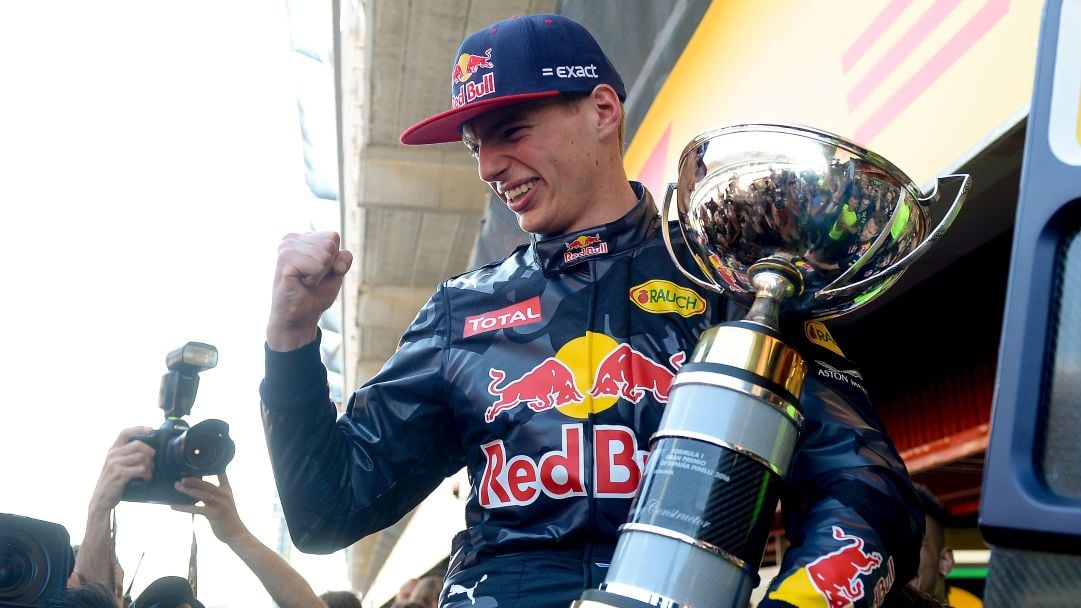
The current three-time world champion of Fórmula 1,
The pilot’s main criticism lies in the significant increase in electrical dependence in the new power units. Para Verstappen, to Fórmula 1 is heading in a direction where internal combustion engine engineering loses relevance in favor of overly complex hybrid systems. Ele argues that the top category of motorsport should prioritize raw power and the characteristic sound of engines, elements that it considers fundamental to the sport’s DNA.
みんな言います🧀#F1||#F1テスト🇧🇭pic.twitter.com/j6A8fCuNtc
—オラクル・レッドブル・レーシング (@redbullracing)2026 年 2 月 18 日
Concerns about performance and drivability
The new rules, which provide for a power division of approximately 50% between the combustion engine and the electrical system, bring technical challenges that bother the Red Bull pilot. Verstappen pointed out that, in simulations, the behavior of cars changes drastically, requiring drivers to downshift on long straights to regenerate energy, a maneuver he classifies as artificial and contrary to racing instinct.
In addition to energy management, the increase in weight of single-seaters is another point of tension. With larger batteries and additional safety systems, cars tend to become heavier, which compromises agility and braking capacity. The Dutchman warns that these changes could make driving less exciting and reduce the physical and technical challenge that defines the elite of world motorsport.
Necessary distance from Fórmula E
Verstappen was emphatic when comparing the future regulation with Fórmula E, a category dedicated exclusively to electric cars. Segundo him, Fórmula 1 should not try to replicate the model of total sustainability through massive electrification, as there already exists a specific championship for this purpose. The driver’s vision is that F1 must maintain its identity linked to high-performance hybrid engines, where fuel and combustion still play a central role.
The introduction of 100% sustainable fuels would, in the champion’s view, be a sufficient step towards environmental responsibility, without the need to de-characterize the power unit. Ele suggests that the attempt to please all sides — sustainability and electrical performance — could result in a hybrid product that satisfies neither purist fans nor advocates of total electrification.
Impact on aerodynamics and competitiveness
Another technical aspect addressed was the introduction of active aerodynamics, necessary to compensate for the loss of efficiency of the new engines at high speeds. The system, which will adjust the front and rear wings to reduce drag on straights and increase pressure in corners, is seen by Verstappen as a palliative solution to a problem created by the engine regulations themselves. Ele fears this will make racing predictable and too reliant on electronic assists.
Red Bull Racing, which develops its own engine through the Red Bull Powertrains division in partnership with Ford, faces a monumental challenge in adapting to these changes. The technical team is working to mitigate the negative effects highlighted by its main driver, but the scenario for 2026 remains uncertain, with several teams still trying to understand how to extract maximum performance within the new limitations imposed by Federação Internacional and Automobilismo.





