
High demand for hybrids delays new RAV4 and Toyota recommends replacements to avoid queues

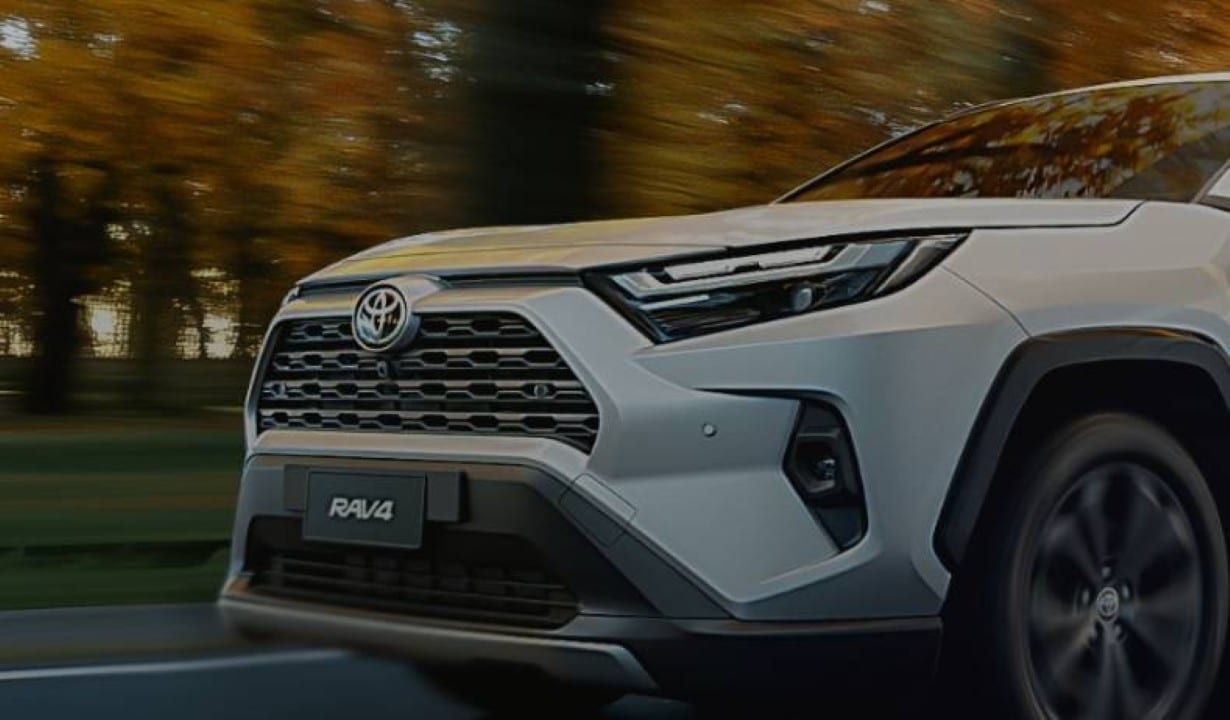
Toyota faces a complex logistical challenge involving the launch of the 2026 RAV4 line, the brand’s best-selling SUV globally. The transition to a fleet composed exclusively of hybrid versions placed unexpected pressure on the supply chain, resulting in significant delays in the production and delivery of units. Para To mitigate the commercial impact and prevent consumers from migrating to direct competitors, the automaker began a sales redirection strategy, encouraging the acquisition of other models available in the portfolio that share similar technologies.
Bottlenecks in the supply chain and production
The central focus of the problem lies in the availability of essential components for electrification, specifically batteries and high-voltage electrical systems. The automaker’s decision to make the 2026 RAV4 a 100% hybrid vehicle required a restructuring of the assembly lines and a volume of parts much higher than that used in previous generations, which still only had combustion options. The normalization of the production flow and the stabilization of stocks at dealerships are only scheduled for the second half of 2026, creating a temporary vacuum in supply.
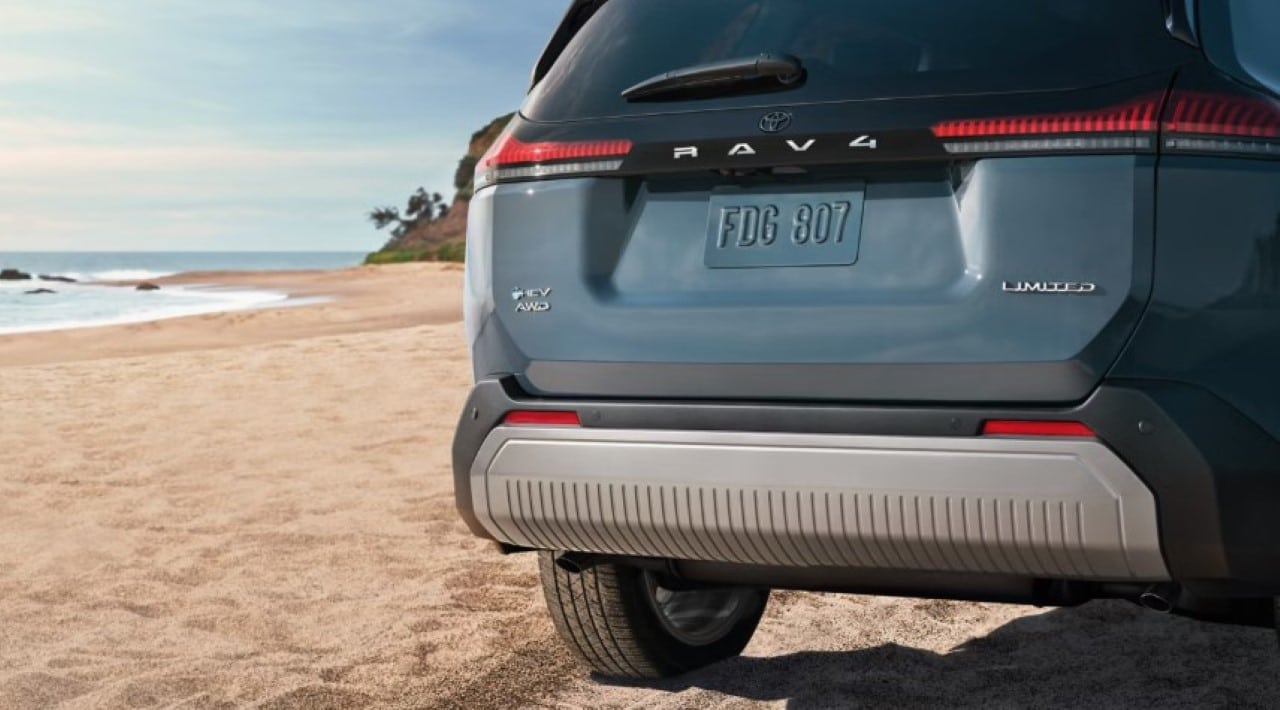
Given this scenario, inventory management has become a critical priority for the company. The scarcity of units ready for immediate delivery puts the model’s market leadership, historically dominant in the medium SUV segment, at risk. Production engineering works to speed up manufacturing, but dependence on external suppliers for battery packs limits the industry’s reaction speed to the growing demand for electrified vehicles.
Retention strategy with alternative models
To overcome the prolonged wait, the dealership network received guidelines to present the Corolla Cross and Camry Híbrido as immediate solutions for customers interested in the RAV4. The Corolla Cross appears as the natural alternative for those looking for an SUV, offering the same platform and energy efficiency, in addition to being readily available in many markets. Já o Camry is positioned as the option for buyers who prioritize comfort, interior space and hybrid technology, even in a sedan body.
This commercial maneuver aims to keep the consumer within the brand’s ecosystem, avoiding the loss of sales to rivals who have regularized stocks of equivalent models, such as the Honda CR-V or the Kia Sportage. The sales argument focuses on mechanical reliability and fuel efficiency, attributes present in the manufacturer’s entire electrified line, trying to dissociate the purchasing decision solely from the shape of the body.
Technical details of the new generation
The expectation surrounding the 2026 RAV4 is justified by the promised technical updates. The model should consolidate the use of the 2.5-liter engine associated with the new generation hybrid system, delivering a combined power close to 216 horsepower. Além of the gain in performance, the fuel consumption figures are a great attraction, with averages that exceed 18 km/l in a mixed cycle, establishing a new standard of efficiency for the category.
Visually and technologically, the vehicle will also undergo modernizations, including new infotainment systems and updated autonomous driving assistants. Essas improvements, added to the model’s reputation for durability, keep public interest high, even with the news of delays. The automaker’s bet is that brand loyalty and the promise of a superior product will convince some buyers to wait for normalization or accept temporary exchange suggestions.
Impact on the competitiveness of the sector
The current scenario reflects a broader movement in the automotive industry, where demand for hybrid vehicles has grown faster than the capacity to supply components. Enquanto pure electric vehicles face a slowdown in some markets, hybrids have consolidated themselves as the preferred choice for the short-term energy transition. Toyota’s ability to manage this supply crisis will be decisive for its financial results in the next fiscal year.
Market analysts are closely watching how this replacement strategy will be received by consumers. Success will depend on buyers’ flexibility in adapting their immediate needs to available options, as well as sellers’ ability to demonstrate the added value of the Corolla Cross and Camry in the face of the temporary absence of the brand’s flagship. Maintaining global sales leadership will directly depend on the effectiveness of this contingency operation.



