
IOS-integrated wearables challenge Apple Watch with batteries that last nearly a month

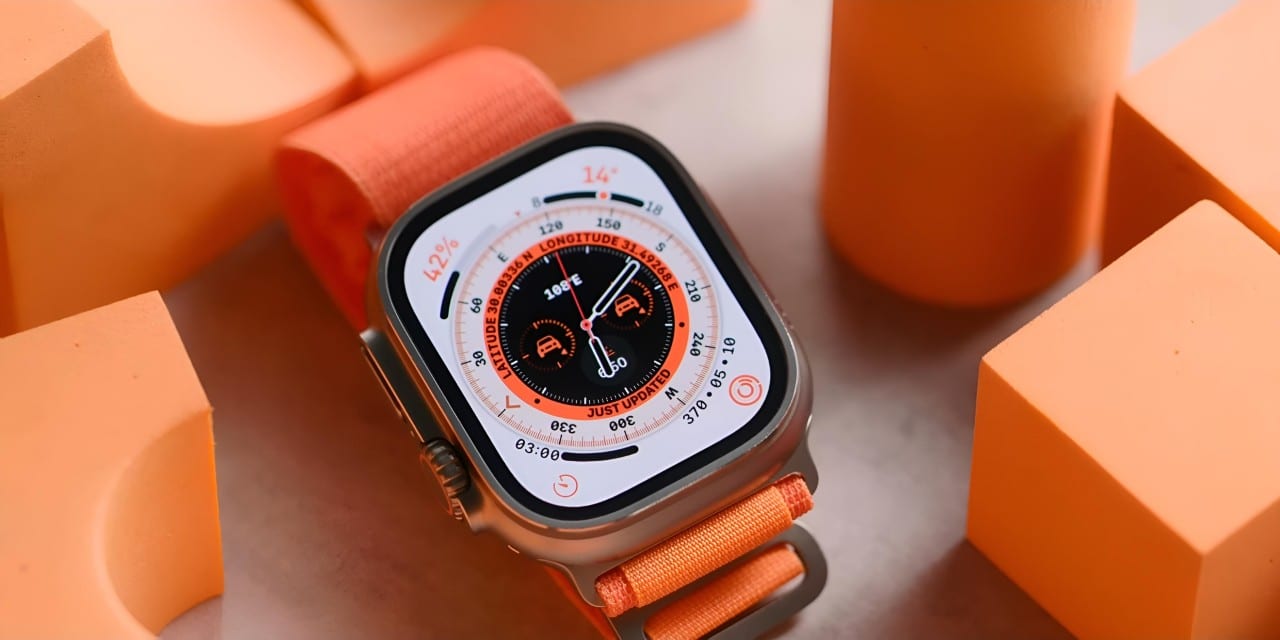
Users of the Apple ecosystem are increasingly looking for wearable options that offer a higher cost-benefit than the brand’s native models, prioritizing energy autonomy. Demand for devices that deliver accurate health monitoring and stable integration with the iPhone has driven the launch of new models from manufacturers such as Huawei, Xiaomi and Amazfit. Estes devices reach retail with prices ranging between R$279 and R$1,636, democratizing access to cutting-edge technologies and advanced features.
The main complaint from owners of conventional smart watches, regarding the need for daily recharges, was addressed with priority in these new global launches. Energy autonomy has become the sector’s biggest competitive differentiator, with some models promising weeks of continuous use away from the socket. Além of the long-lasting battery, the quality of the display panels has evolved significantly, ensuring clear visibility of data even under strong direct sunlight.

Synchronization with the iOS operating system occurs through proprietary applications developed by manufacturers, ensuring that notifications, calls and exercise data are transmitted without noticeable latency. The current market offers everything from light and discreet bracelets to robust watches with military construction, catering to different user profiles, from the amateur athlete to the executive who needs constant connectivity during long trips.
Economical options with high durability
For those looking to enter the world of wearables without making a large investment, the Huawei Band 10 presents itself as a balanced and extremely light solution. The model, which weighs just 15 grams, uses an aluminum alloy case that provides durability without compromising comfort on the wrist. Sua 1.47-inch AMOLED screen offers good tactile response, and the power management system allows up to 14 days of use in economical mode, with a full recharge in just 45 minutes.
In the same entry segment, the Xiaomi Smart Band 10 competes with a starting price of R$286 and robust specifications for its price category. The highlight is the 1.72-inch AMOLED panel, which reaches a peak brightness of 1,500 nits, ideal for viewing outdoors during sports. With 5 ATM water resistance, the device supports swimming and has a 233 mAh battery, capable of operating for up to three weeks in typical usage scenarios.
Location and calling features on your wrist
Subindo o nível de exigência técnica, o Amazfit Bip 6 introduz funcionalidades que antes eram exclusivas de modelos premium, como o GPS com suporte a mapas offline para navegação independente. Esta característica permite que corredores e ciclistas registrem seus percursos com precisão sem a necessidade de carregar o celular durante o treino. A tela de 1,97 polegada impressiona com 2.000 nits de brilho, e a bateria de 340 mAh sustenta o aparelho por duas semanas, mesmo com o rastreamento de atividades frequente, com valor inicial de R$ 549.
O Redmi Watch 5 aposta em uma experiência visual imersiva com seu display de 2,07 polegadas e taxa de atualização de 60 Hz, que proporciona fluidez nas animações da interface. Além da estética aprimorada, o relógio é altamente funcional, permitindo a realização de chamadas via Bluetooth com cancelamento de ruído através de microfone duplo. Sua bateria de 550 mAh é uma das maiores da categoria intermediária, oferecendo até 24 dias de autonomia, com preços partindo de R$ 679 no mercado nacional.
Advanced models for extreme use
No topo da lista de recomendações tecnológicas, o Huawei Watch Fit 4 e o GT 6 atendem aos usuários que necessitam de máxima precisão nos dados e resistência física do aparelho. O Fit 4, custando a partir de R$ 1.099, traz uma tela de 1,82 polegada e foca no detalhamento de métricas de saúde, como oxigenação e monitoramento de sono profundo. Sua construction has high certifications against dust and water, making it ideal for water sports and outdoor adventures.
The Huawei Watch GT 6, in turn, sets a new standard for autonomy with its 867 mAh battery, designed for long periods without recharging. O modelo suporta até 21 dias de uso moderado e possui certificação IP69, resistindo a jatos de alta pressão e temperaturas extremas em ambientes hostis. Com telas que chegam a 3.000 nits de brilho, a legibilidade é garantida em qualquer condição climática, justificando o investimento inicial de R$ 1.636 pela robustez e independência energética que proporciona ao usuário de iPhone.



