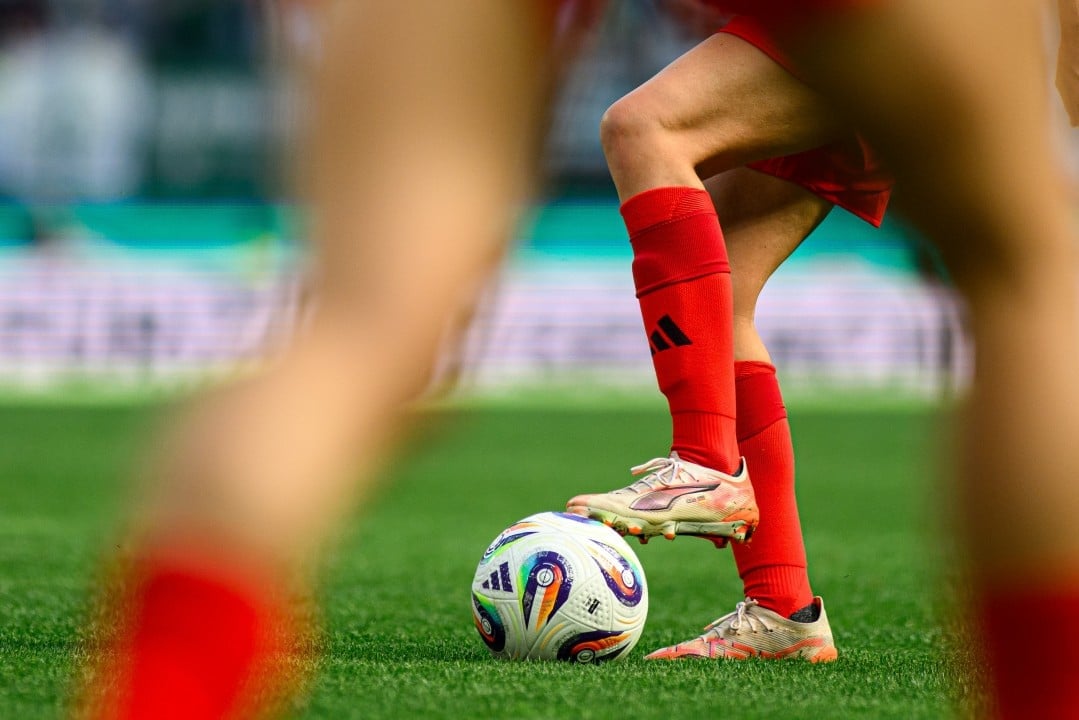
The Japanese under-16 team suffered a historic setback on February 14, 2026, when they were defeated by the Alemanha team by a score of 8 to 1. The match took place in the city of Algarve, in Portugal, being valid for the second round of the prestigious Torneio of the 4 Sob under coach Nozomi Hiroyama, the Japanese team showed critical defensive failures from the first moves of the match on European soil. Initial inattention allowed the Germans to open the scoring in the first minute of the game, establishing a rhythm of pressure that the young Japanese were unable to neutralize throughout the entire regulation time.
This negative result adds to the previous defeat suffered in the competition’s debut, when Japão was beaten by the host team, Portugal, 3-0. With the accumulation of these scores, the Asian team ends a cycle of two games with 11 goals conceded and only one scored, raising questions about the level of competitiveness of this specific generation. The below-average performance surprised technical observers present at the tournament, since Japão is traditionally recognized for excellence and tactical discipline in its training categories.
- Alemanha completely dominated the offensive actions in the first half of the match.
- The Japanese defensive system conceded six goals in the first 45 minutes of the game.
- Isobe Reimu, an athlete from Kashima Antlers Junior Youth, scored the only Japanese goal in the 49th minute.
- The German team extended their lead with additional goals in the 75th minute and in stoppage time.
International media reactions to the elastic score in Portugal
The magnitude of the Japanese defeat crossed borders and generated a wave of surprised comments on several news portals on the Asian continent. Na China, the portal Live Broadcast Bar highlighted the humiliation suffered by the neighbors, classifying the score as shocking news for the regional football scene. The impact was amplified by the fact that Japão is often used as a model of sports development for other Ásia nations seeking full professionalism.
Chinese portals such as Sohu also dedicated considerable space to analyze the stumble of the team led by Hiroyama in Portuguese territory. Local analysts expressed surprise at the fragility displayed by the Japanese defense, which tends to stand out for its organization and speed in transitions. The bewilderment of the Chinese press reflects the level of respect that Japanese football has gained in recent decades, making any defeat by a large margin an event of extraordinary interest.
Technical details of the match and the absolute dominance of Alemanha
The game started catastrophically for the Japanese, who saw their strategy collapse before they even completed the first lap on the clock. An individual error early on allowed Alemanha to take emotional and tactical control of the duel, exploiting the gaps left by the Asian defenders. German efficiency was relentless, resulting in a sequence of goals that practically sealed the fate of the match midway through the first half of the game.
Nozomi Embora the team demonstrated a slight offensive improvement that culminated in Isobe Reimu’s goal of honor, the physical and technical superiority of the Germans prevailed in the decisive moments. The closing score at 8-1 served to highlight the momentary disparity between the two football schools at the under-16 level.

Impact on the credibility of the Japão training project
The defeat by such an elastic score raises profound discussions about the transition processes of young athletes to the high-performance international scene. Torcedores and experts began to question whether Japanese hegemony in Ásia is enough to prepare players for the challenges posed by European powers. The lack of resistance demonstrated in Algarve suggests the need for a reassessment of the defensive training methods applied in the youth divisions of local clubs.
Many sports enthusiasts at China even considered whether this result marks the beginning of a drop in the quality standard that Japão has always boasted. The feeling of mutual admiration between the Asian federations was temporarily replaced by genuine doubt about the long-term sustainability of Japan’s success. The focus now turns to the next stages of preparation, where the coaching staff will have the challenge of regaining the squad’s confidence after the embarrassment.
Japanese technical committee planning for upcoming commitments
Coach Nozomi Hiroyama will be responsible for analyzing videos of the matches in Portugal to identify systematic errors made by the group. It is expected that new names will be tested in future squads to freshen up the defensive sector and bring more balance to the midfield. Federação Japonesa of Futebol should maintain support for the project, but demands for more consistent results against world elite teams should become more frequent.
The psychological recovery of under-16 athletes is seen as the immediate priority before the next cycle of friendlies or official competitions. Perder by seven goals difference is a sporting trauma that requires careful locker room management work so as not to compromise the individual development of these promising players. The goal scored by Isobe Reimu is the only positive point to be explored amidst an avalanche of unfavorable statistical data collected during the tournament.
History of clashes between European powers and Asian teams
The exchange between football from Europa and Ásia has been fundamental to the growth of the sport on a global scale, but victories still occur sporadically. Tradicionalmente, Japão manages to balance matches through a strong collective game and refined technique, which makes 8-1 a relevant statistical anomaly. Este tournament in Portugal served as a reality check for young people who aspire to play in the big leagues of world football in the near future.
Alemanha, in turn, reaffirms its position as one of the best talent training schools on the planet with this overwhelming performance. Continuous investment in centers of excellence allows the European country to maintain a high level of competitiveness in all age groups of its national team. The result in Algarve will serve as study material for both winners and losers in post-competition analyses.
Individual performance and lessons from the international tournament
Despite the expanded score, some observers noticed flashes of individual talent that could be honed by the Japão coaching staff in the coming months. Isobe Reimu’s finishing ability was one of the few highlights in an afternoon where nothing worked collectively for the blue team. The learning obtained in situations of extreme pressure against superior opponents is considered valuable, even if the cost in terms of image is high for the national federation.
- Ball possession was largely controlled by the Alemanha team in midfield.
- Japão had difficulty making the defensive transition after losing the ball in attack.
- The set pieces were crucial to building Germany’s lead in the first half.
- The physical intensity of the European players surpassed the resistance of the young Japanese.
Future of the Japanese under-16 generation after the results at Europa
Expectations now revolve around how Japanese championship clubs, like Kashima Antlers, will absorb these athletes after Portugal returns. The development of these young people at clubs is essential so that they can reach the senior team with a more resilient mentality. Japanese football has already overcome previous crises and it is expected that this episode will only be treated as a painful but necessary stage of technical maturity.
The international media will continue to follow the steps of this generation to see if the 8-1 was an outlier or a real warning sign. The pressure to perform better in future tournaments will be constant, especially considering the growing competitiveness within Confederação Asiática of Futebol itself. Japão needs to prove that its gaming philosophy is still capable of facing the giants of the world without suffering historic scores.