
RB confirms Isack Hadjar as starter and ends Yuki Tsunoda’s career in Formula 1

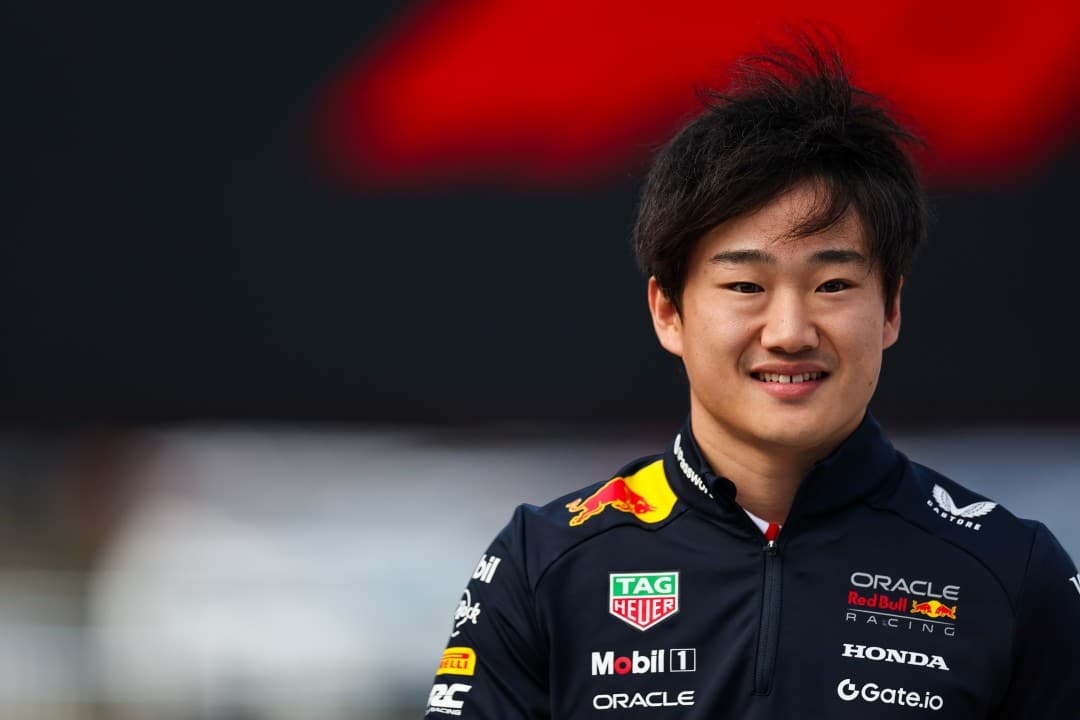
The RB team has officially defined the end of the Yuki Tsunoda cycle as starting driver, marking the beginning of a new phase for the team on the Fórmula 1 grid. The strategic decision aims to align the team’s technical development with the future demands of the category, promoting the academy’s young talent, Isack Hadjar, to take the seat next season. The move confirms speculation about the renewal of the driver roster and reinforces the Red Bull group’s commitment to using its satellite team as a launch pad for new promises in world motorsport.
The selection process involved a detailed analysis of the car’s recent performance and ability to contribute to the development of the car. Tsunoda’s departure does not just reflect track results, but a broader restructuring that considers long-term technical and commercial factors. The arrival of Hadjar is seen as a fundamental step in revitalizing the team’s internal dynamics, bringing a new perspective to the engineering work and set-up of the single-seaters at a crucial time of regulatory transition.
The confirmation of Isack Hadjar puts an end to a period of uncertainty regarding the team’s second place, as it seeks greater consistency in the scoring zone. The French driver, who stood out in the youth categories and in simulator work, now receives the opportunity to demonstrate his potential in the elite of motor sport. The team’s management is betting on the newcomer’s quick adaptation to form a competitive duo capable of getting the most out of the available equipment.
With this change, the driver market suffers a new impact, leaving few vacancies available for the next campaign. Tsunoda’s trajectory within the Red Bull structure comes to an end after years of investment, leaving the Japanese driver free to negotiate his future with other teams, while RB turns its attention fully to the integration of its new owner and the development of future projects.
RB21 performance and the need for technical feedback
The evaluation that culminated in the replacement of the drivers necessarily included an analysis of the behavior of the RB21 chassis and the difficulties faced during the current championship. The model, designed to raise the team’s level in the midfield, presented inconsistencies that limited the achievement of significant results. Dados internals indicated that, in a critical sequence of ten stages, the total score was just seven points, a number considered insufficient for the team’s ambitions in the constructors’ championship.
In addition to the score, the engineering body identified the need for more accurate technical feedback to correct design flaws and direct the development of updates. The ability to translate the car’s sensations into useful data for mechanics and designers has become a key tiebreaker.
The performance analysis revealed that:
– Car development stagnated at key moments of the season.
– The correlation between wind tunnel data and the track needed greater precision.
– The driving profile required for the evolution of the RB21 demanded a new approach.
Given this scenario, the promotion of a new driver is not just a change of names, but an attempt to change the work methodology in the pits. The expectation is that the new formation will bring different diagnoses on the dynamic behavior of the vehicle, allowing the team to overcome current limitations and design a more competitive car for the coming years.
The factor Honda and the transition to Aston Martin
The exit of Yuki Tsunoda is intrinsically linked to the macroeconomic and political movements of Fórmula 1, specifically with regard to the supply of power units. Honda, long-time technical partner of
Historically, the presence of Japanese drivers in teams equipped with Honda engines has been part of the automaker’s collaboration agreements. With the end of the alliance between Red Bull and Honda, the corporate protection that supported part of the stability of Tsunoda ceased to exist. The RB team, aiming for its independence and alignment with the Red Bull Powertrains project, chose to bring forward the separation, allowing the team to follow a path disconnected from the interests of the Japanese manufacturer.
For Tsunoda, the scenario points to an attempt to relocate in the market, possibly seeking seats on teams that have or will have ties with Honda in the future. However, the vacancies at Aston Martin, the logical destination for this partnership, are currently occupied, creating an impasse for the driver’s continuation on the grid in the short term. RB’s decision, therefore, reflects planning that prioritizes the team’s autonomy in relation to departing commercial partners.
The rise of Isack Hadjar and the focus on the new generation
The selection of Isack Hadjar reaffirms the team’s philosophy of acting as a talent laboratory for the main team. The young French driver gained the trust of the top brass at Red Bull through a consistent performance in the access categories and, mainly, through the work carried out behind the scenes. Sua promotion follows the logic of constant renewal that has always characterized the energy drink brand’s development program.
Hadjar doesn’t arrive at Fórmula 1 just as a pure speed bet, but as a driver molded for the modern demands of the category. Seu technical profile and familiarity with the team’s simulation tools were important differentiators in decision making. The team hopes their youth will bring renewed energy and a willingness to learn that will catalyze the team’s progress.
The key attributes that led to the choice of Hadjar include:
– Adaptabilidade fast under different track conditions and setup.
– Histórico of constant evolution under pressure in the youth categories.
– Alinhamento total with the culture and work methods of Red Bull.
By opting for Hadjar, RB signals that it is willing to invest time in training new talent, aiming to reap rewards in the medium and long term. The strategy involves preparing the driver to eventually be an option for the main team, keeping the internal talent flow active and competitive.
Preparation for the new regulatory cycle
All decisions taken by RB at this time have as a backdrop the major regulation change scheduled for 2026. The introduction of new guidelines for engines and chassis will require an unprecedented level of integration and technical development from teams. Ter a young driver, with a long-term contract and fully integrated into the development of the new car, is seen as a strategic advantage.
The team understands that stability and long-term commitment are essential to face the challenges of the new era of Fórmula 1.
The bet is that, by starting this cycle with a “home” driver, RB will be able to maximize the efficiency of its budget and technical resources, focusing on what really matters: performance on the track. The departure of Tsunoda and the entry of





