
Smartwatches compatible with iOS bring advanced screens and long-lasting battery life at affordable prices

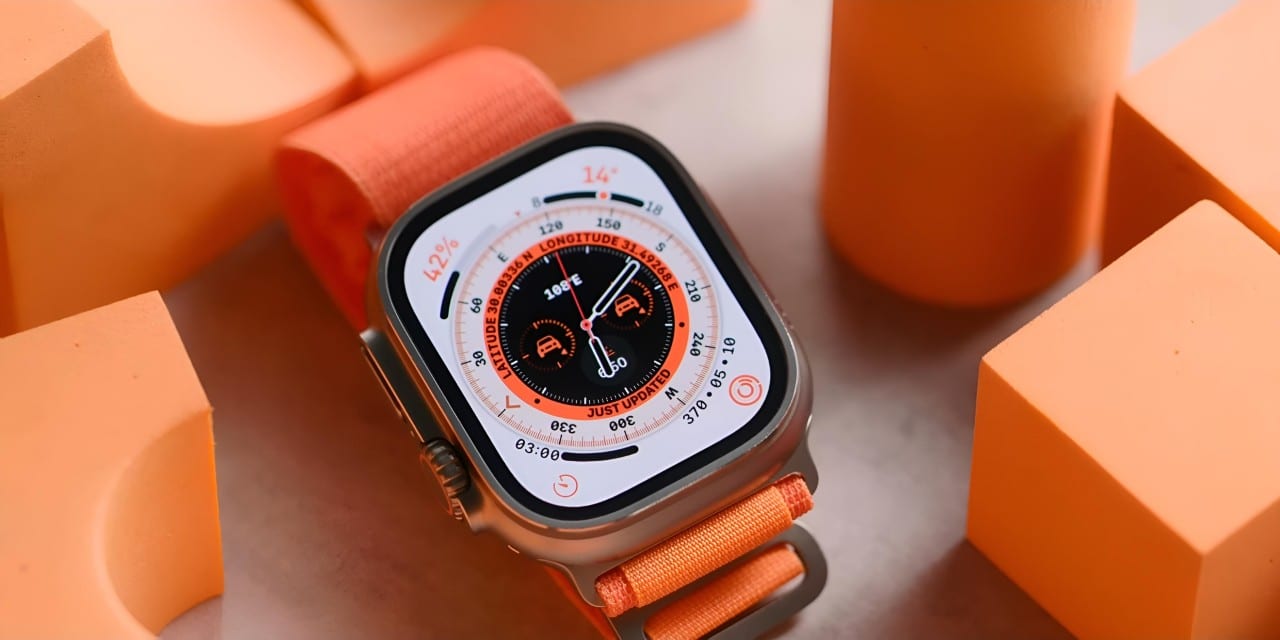
iPhone owners are diversifying their wearable device choices, seeking options that offer robust functionality without the high cost of native Apple products. The current market presents a variety of smart watches from manufacturers such as Huawei, Xiaomi and Amazfit, which guarantee efficient integration with the iOS system. Estes devices stand out mainly for their extended power autonomy and high-quality displays, with prices ranging between R$279 and R$1,636, making the technology accessible to different economic profiles.
Demand for these gadgets is growing as users realize that a massive investment is not needed to get accurate health monitoring and notification management on their wrist. Synchronization occurs through proprietary applications available on the App Store, establishing a stable connection for data transfer and alerts. The focus of these brands has been to deliver a fluid experience, where the battery lasts weeks instead of hours, solving one of the main complaints of consumers of traditional wearables.

The most recent launches prioritize screens with intense brightness, capable of being read in direct sunlight, and water resistance for a variety of sports. With the current minimum wage set at R$1,621, the price range of these devices allows advanced technologies, such as integrated GPS and AMOLED screens, to reach a wider audience. The balance between cost and benefit has become the main sales driver in this competitive segment.
Performance of input models
For those looking for efficiency at the lowest possible cost, the Huawei Band 10 and Xiaomi Smart Band 10 represent the ideal entry point. The Huawei option, which recently hit the market, focuses on lightness, weighing just 15 grams, and a durable aluminum alloy construction. The device has a 1.47-inch AMOLED screen, offering agile navigation using touches and gestures, as well as a fast charging system that fills the battery in 45 minutes.
Autonomy is a strong point in this category, with the Huawei Band 10 reaching up to 14 days of use in economical mode, which eliminates the need for daily recharges. Sleep monitoring is detailed, identifying different phases of rest to provide accurate reports on the quality of the user’s night.
The Xiaomi competitor, with a starting price of around R$286, ups the ante with a slightly larger 1.72-inch screen and an impressive brightness of 1,500 nits. Este brightness level guarantees perfect visibility even in very bright outdoor environments. Além Furthermore, the model supports submersion of up to 5 ATM and has a 233 mAh battery that can last up to three weeks, depending on the intensity of use, also standing out for its oriented running modes.
Location and connectivity features
Going up a notch in the category, devices like the Amazfit Bip 6 and the Redmi Watch 5 introduce features that eliminate the need for continuous cell phone use. The Amazfit model, starting at R$549, integrates GPS with support for offline maps, an essential tool for runners and cyclists who prefer to train without carrying their smartphone. Sua 1.97-inch AMOLED screen reaches 2,000 nits, and the battery sustains operation for two weeks.
Accuracy in route tracking is complemented by the ability to record more than 140 exercise types. Testes practical tests demonstrate that, even with frequent use of GPS, energy consumption remains optimized, maintaining the long-lasting proposal.
The Redmi Watch 5 focuses on communication and visual experience, offering a large 2.07-inch display with a refresh rate of 60 Hz, which provides more fluid animations. With a base price of R$679, it allows you to answer calls via Bluetooth, using a dual microphone with noise cancellation to ensure clarity in conversations. Sua robust 550 mAh battery is capable of keeping the watch active for up to 24 days, leading autonomy in this intermediate segment.
Advanced monitoring and extreme autonomy
At the top of this list of affordable alternatives are the Huawei Watch Fit 4 and the Huawei Watch GT 6, which bring superior finishing and functions. The Watch Fit 4, starting at R$1,099, is designed for rigorous sports monitoring, including aquatic disciplines and independent route tracking. Sua 1.82-inch screen maintains the high brightness standard, and the quick charge system offers a full day of use with just ten minutes of plugging in.
Resistance is certified for dust and water, ensuring durability in adverse scenarios. The device focuses on comprehensive health, measuring blood oxygenation and heart rate in real time, alerting the user to any abnormalities during rest or activity.
The Huawei Watch GT 6 is the undisputed power champion, equipped with a battery of up to 867 mAh. Este component allows the watch to run for up to 21 days without needing an outlet, even with continuous health monitoring enabled. Custando around R$1,636, it offers a robust construction with IP69 certification, withstanding high pressure jets and extreme temperatures, ideal for adventurers and professionals who work in difficult environments.
Integration and usability in the ecosystem
The compatibility of these watches with the iPhone goes beyond basic notifications. Usuários can control music playback, view alerts from different applications and, in specific models, answer calls directly from the wrist. The barrier that existed between the Apple system and third-party devices has reduced considerably, allowing for a cohesive user experience.
Screens with AMOLED technology have standardized visual quality across all price ranges, ensuring deep blacks and vivid colors. The size variation, from 1.47 to 2.07 inches, offers options for both those who prefer discretion and those who want a large panel for reading data.
The choice between these models directly depends on the user’s lifestyle. Enquanto smart bracelets perfectly suit those looking for basic monitoring and lightness, larger watches like the GT 6 and Redmi Watch 5 deliver productivity and resistance tools for more intense use. The 2026 scenario consolidates these brands as viable and economical alternatives, democratizing access to technologies that were previously exclusive to premium models.




