
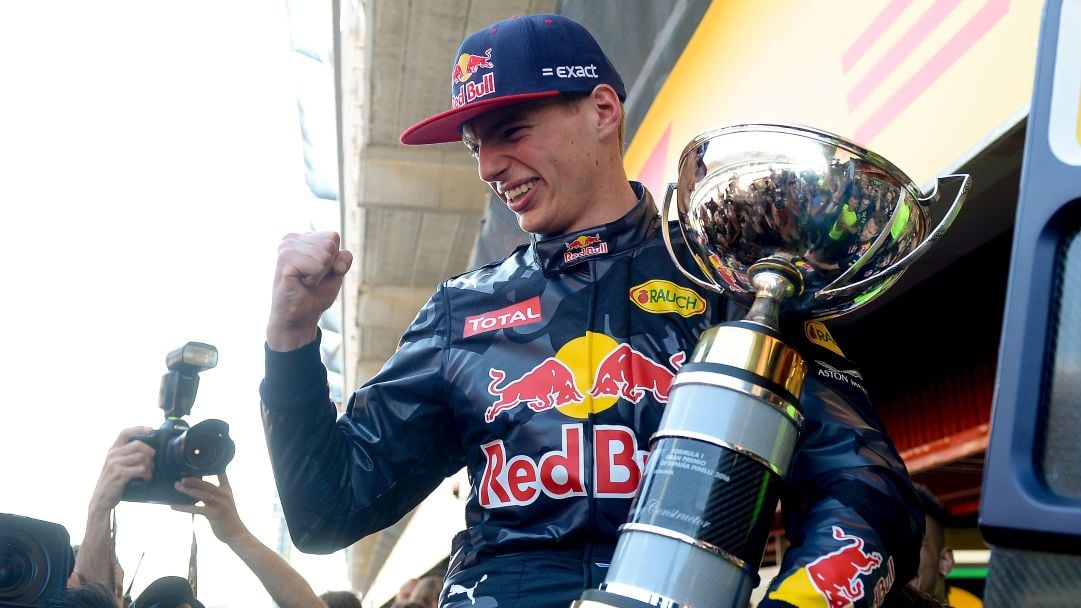
The current three-time world champion of Fórmula 1 expressed deep dissatisfaction with the technical directions that the top category of motorsport intends to adopt for the next generation of cars. The Dutch driver’s main complaint focuses on the drastic change in power units, which will depend significantly more on electrical energy, with a power division estimated at 50% for the combustion engine and 50% for the electrical system. Para the pilot of Red Bull, this direction represents a dangerous departure from the traditional combustion engine engineering that has historically defined the series, in favor of overly complex hybrid systems. Ele argues that the priority should remain on the raw power and characteristic sound of the engines, elements that he considers vital for preserving the sporting DNA and attracting fans around the world. The critical view suggests that the attempt to balance sustainability and performance could result in a product that appeals neither to purists nor to advocates of total electrification.
The simulations carried out by the teams already indicate dynamic behaviors that concern competitors, especially with regard to energy management during fast laps. Verstappen highlighted that the data points to the need to reduce gears on straights to regenerate the battery, a maneuver that he classifies as artificial and contrary to the natural instinct of driving at high speed.
In addition to driving issues, the structural increase in vehicles raises a series of technical alerts regarding the safety and quality of racing:
- The weight of cars is expected to increase due to larger batteries and new safety systems.
- Cornering agility will be compromised by the additional mass of the single-seaters.
- Braking efficiency may suffer, requiring longer braking zones.
- The complexity of the systems can reduce the direct physical challenge for pilots.
Handling concerns and excessive weight
The introduction of new technical rules brings with it engineering challenges that go far beyond simply changing engines, directly affecting the way cars behave on the track. The requirement for an equal division of power creates a scenario where dependence on electrics becomes critical, transforming race strategy into a constant exercise in battery management rather than pure driving. The driver of Red Bull emphasizes that this drastic change in the car’s behavior in the simulations is a warning sign that Federação Internacional of Automobilismo should not ignore.
Another significant point of tension is the continuous increase in the mass of vehicles, a trend that has been criticized by several names on the grid in recent years and which is expected to worsen in 2026. Baterias with greater storage capacity are inherently heavier, and combined with reinforced safety systems, make cars less agile and more difficult to control in extreme situations. Para the Dutchman, this feature removes part of the emotion of driving a Fórmula 1 car, which should be the pinnacle of precision and lightness, transforming the machines into slow-reacting vehicles.
The effectiveness of braking is also an issue, as heavier cars demand much more from the braking systems and tires, changing the dynamics of overtaking and competition for position. Verstappen warns that these changes, if not reviewed or compensated appropriately, could result in less exciting races, where conservation of equipment and energy overrides the driver’s ability to push the car to the limit.
Necessary distinction between categories
There is a clear philosophical concern in the driver’s statements about the identity of the Fórmula 1 in comparison with other existing categories, specifically the Fórmula E. The electric category already fulfills the role of a laboratory for zero-emission technologies and sustainable urban mobility, having its own consolidated championship. Segundo the vision presented, it does not make sense for Fórmula 1 to try to replicate this model through massive electrification that de-characterizes its high-performance hybrid engines, where fuel and internal combustion still play fundamental roles.
The ideal solution would be to focus entirely on the development and use of 100% sustainable fuels, which would allow maintaining the current engine architecture or even simplifying it, without losing environmental responsibility. Essa approach would ensure that the sound and vibration that are the sport’s hallmarks are maintained, whilst meeting global demands for carbon footprint reduction, without the need to transform cars into predominantly electric vehicles.
Aerodynamic complexity and future scenario
To compensate for the possible loss of final power and power delivery characteristics of the new engines, the regulation provides for the introduction of active aerodynamic systems. Essa technology would allow dynamic adjustment of the front and rear wings to reduce drag on straights and increase downforce in corners. However, this innovation is seen by the driver not as a natural evolution, but as a palliative solution to correct problems created by the motorization rules themselves.
The fear is that excessive dependence on aerodynamic and electronic assistance will make racing predictable, taking away the driver’s ability to make a difference through talent and sensitivity. If the car’s performance depends largely on how the computer manages the wing and the battery in each section of the track, the human factor, which is the essence of competition, ends up being diminished.
While regulations discussions continue, Red Bull Racing faces its own monumental challenge with the creation of the Red Bull Powertrains division. In partnership with Ford, the team is working on developing its own power unit to adapt to the new standards. The scenario for 2026 remains full of uncertainty, with engineers and drivers working to understand how to extract maximum performance within the limitations imposed, in the hope that the final product on the track maintains the level of spectacle expected by fans.