
Xiaomi SU7 Max surpasses American cars in evaluation in the USA and highlights China’s advance in the sector

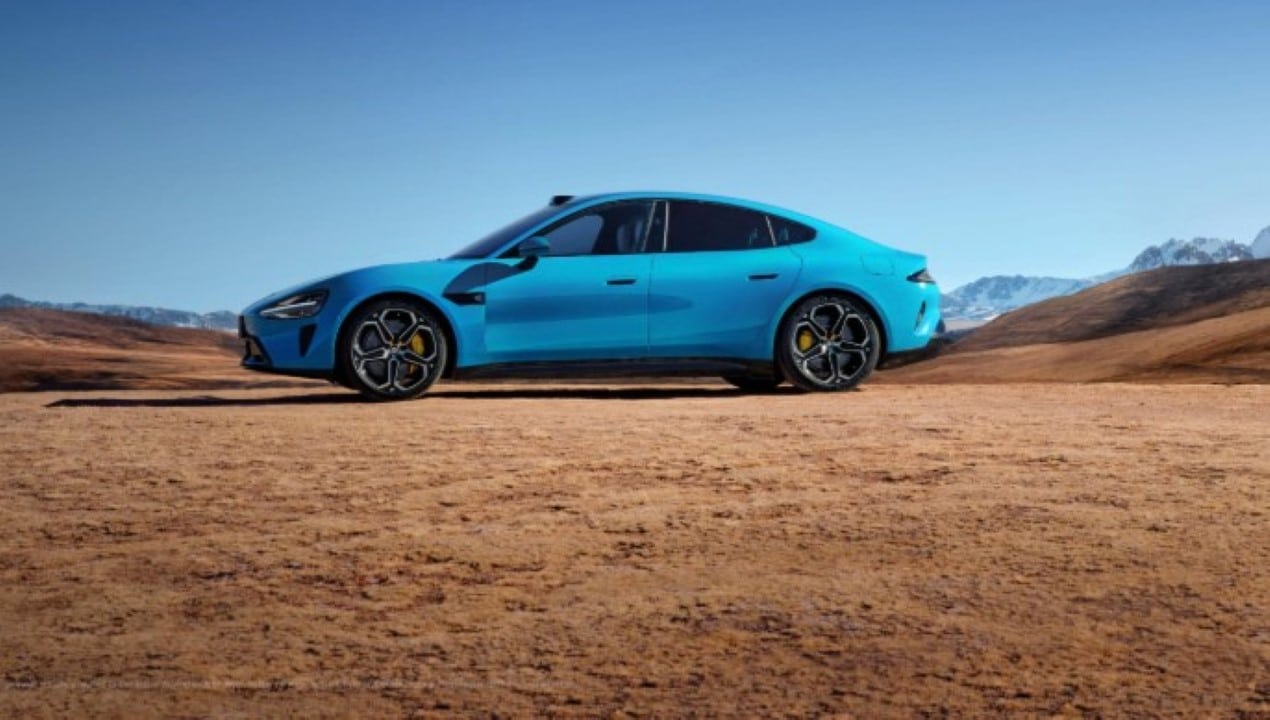
The North American automotive scene witnessed an unexpected technical confrontation in recent weeks, when a high-performance model from the Chinese industry landed on American soil for independent evaluations. The Xiaomi SU7 Max, an electric sedan that has redefined quality standards at Ásia, was subjected to intensive tests on the Nova York and The analysis, conducted by a technology columnist from The Wall Street Journal, not only extolled the vehicle’s capabilities, but also exposed the technical gulf that is beginning to form between the traditional Estados Unidos automakers and the new eastern powers.
The presence of the vehicle in Estados Unidos is an atypical fact, as Xiaomi does not officially sell its cars in the region due to trade barriers and high import tariffs. The sample tested was purchased by a third party at China and imported temporarily, allowing a rare opportunity for direct comparison with local sales leaders. Durante the evaluation period, the car faced the chaotic traffic of the east coast and express highways, demonstrating an engineering maturity that surprised even the most skeptical critics regarding the durability of Chinese products.
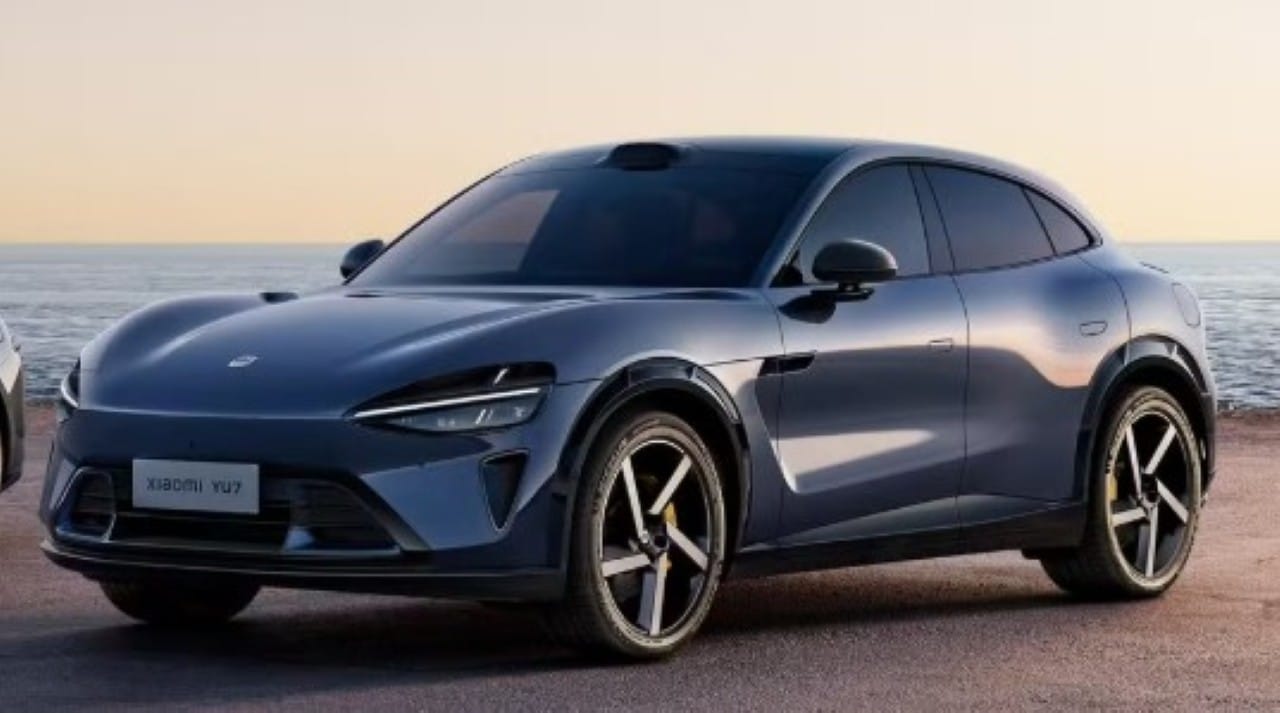
The preliminary verdict pointed out that the Asian model offers a superior driving and digital interaction experience to consolidated vehicles in the Western market, such as the Ford Mustang Mach-E. The combination of premium craftsmanship, precise dynamic response and a fluid software ecosystem has placed the SU7 Max in a prominent position, raising questions about the future competitiveness of American brands if trade borders were opened.
Industry experts note that this practical test serves as a tangible wake-up call for Western industry. Enquanto historic automakers struggle to balance costs and innovation in the transition to electrification, technology companies that have migrated to the automotive sector, like Xiaomi, appear to have cracked the code to attract the modern consumer: the total fusion between digital life and physical mobility.
Technical superiority and user experience
While driving, the electric sedan demonstrated attributes that go beyond simple raw power, focusing on quality of life on board and daily usability. The journalist responsible for the analysis highlighted that, unlike many electric vehicles that suffer from slow interfaces or noisy plastic finishes, the Chinese model presented structural solidity comparable to German luxury brands. The suspension was able to filter Nova York asphalt imperfections effectively, maintaining silence in the cabin.
One of the highlights of the evaluation was the integration of the software, which operates as a natural extension of the user’s smartphone, eliminating the need for intermediate systems such as Apple CarPlay or Android Auto for many functions. The response of the central screen, the clarity of information and the absence of crashes were cited as crucial differentiators. Além In addition, the vehicle maintains physical buttons for essential functions, a design decision that goes against the trend towards total digitalization and which has been widely praised for the ergonomics and safety it provides to the driver.
In direct comparison with the Mustang Mach-E, a vehicle owned by the appraiser himself, the Xiaomi SU7 Max proved to be more refined. The journalist noted that, upon returning to the American car after weeks with the Chinese model, the feeling was of a technological step backwards. The perception of value, considering the converted price of the Asian model, suggests that Chinese automakers are able to deliver more features and quality at a fraction of the cost of Western rivals.
Market impact and industry reactions
The repercussion of this test echoes concerns already expressed by high-ranking executives in the global automotive industry. Jim Farley, CEO of Ford, had already publicly admitted, after internal assessments, that the Chinese industry represents an “existential threat” due to the speed of innovation and cost efficiency. The SU7 Max test on American soil materializes this fear, showing that competitive advantage is not just theoretical or based on subsidies, but rather based on a highly competent final product.
To better understand the advantages observed in the Chinese model, it is necessary to analyze the pillars that support this new generation of electric vehicles:
- Deep integration between hardware and software, allowing constant updates and new features via the internet.
- Vertical supply chain, which guarantees access to cutting-edge batteries at reduced costs.
- Design focused on user experience, prioritizing acoustic comfort and soft-touch materials in the interior.
- Accelerated development cycles, allowing new technologies to hit the streets years before traditional competition.
The isolation of the North American market, protected by tariffs that can exceed 100% on Chinese electric vehicles, creates a bubble where local consumers have limited access to these innovations. However, analysts point out that this protection could have an adverse side effect in the long term: the lack of direct competition could slow down the pace of innovation by domestic automakers, making them less able to compete in global markets where Chinese brands operate freely, such as in Europa, América of Sul and Sudeste Asiático.
The future of connected mobility
The analysis of the Xiaomi SU7 Max reinforces the trend that the car of the future will be defined as much by its programming code as by its mechanics. Xiaomi’s ability to transfer its smartphone and smart home expertise to an automobile creates a “Human x Carro x Casa” ecosystem that traditional automakers still struggle to replicate. The fluidity with which the vehicle communicates with other IoT devices (Internet of Coisas) sets a new standard of convenience.
While the debate over tariffs and protectionism continues in Washington, the technical reality exposed on the streets of Nova Jersey suggests that the technological barrier has already been breached. Para the global consumer, the origin of the brand begins to matter less than the experience delivered, and the SU7 Max test proves that China has gone from being just a components factory to becoming a trendsetter in the luxury automotive sector.




