
Andrew Mountbatten-Windsor swaps Windsor for Norfolk country estate amid recent controversy

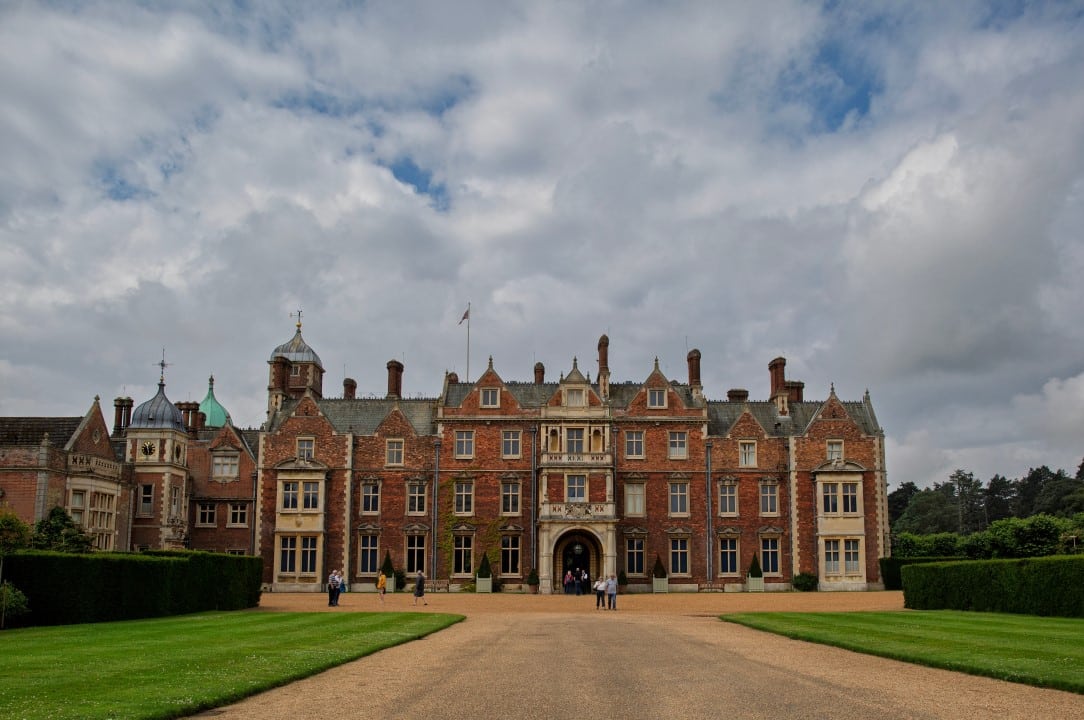
The transfer of residence of Duque from York was made official at the beginning of February 2026, marking his definitive departure from Royal Lodge, in Windsor. Andrew Mountbatten-Windsor has temporarily settled in Wood Farm, a property located within the estate of Sandringham, in the county of Norfolk, pending the completion of works on his future permanent home. The move comes at a delicate time, coinciding with the release of new documents relating to the Jeffrey Epstein case, although the former senior member of the royal family continues to deny any involvement in wrongdoing.
The estate of Sandringham, which is privately owned by King Charles III, offers a more isolated and controlled environment than the residences near Londres. The choice of location reflects a strategy to reduce public exposure.

Wood Farm, the current temporary residence, has a significant history for the monarchy, having served as the main refuge of Duque of
Characteristics and background of Wood Farm
Located in a remote area of the estate, close to the village of Wolferton, the five-bedroom property offers the privacy necessary for this period of transition. The house is known for its relative simplicity compared to royal palaces, but it remains in an excellent state of conservation due to frequent use by the family over the past few decades.
Andrew’s adaptation to the new environment is facilitated by his prior knowledge of the place, which he has visited on several previous visits. The structure allows direct access to trails and natural areas, keeping residents away from curious eyes and the tourist flow common in other parts of the royal lands.
Perimeter security has been adjusted to accommodate the new resident, although the secluded nature of the building already provides a natural barrier against intrusion.
The change project for Marsh Farm
The final destination of Andrew Mountbatten-Windsor will be Marsh Farm, located approximately 2.4 kilometers from the main house of Sandringham. The property is undergoing structural renovations to adapt to the needs of Duque, scheduled for completion in April 2026.
Unlike Royal Lodge, which had 30 rooms, Marsh Farm has much more modest dimensions. The residence has:
- Five main rooms distributed throughout the ancient structure.
- Two renovated bathrooms.
- Adjacent stables for equestrian activities.
- External dependencies for services and storage.
The location of Marsh Farm, however, is less isolated than that of Wood Farm, being positioned next to a rural road. Isso raised questions about long-term privacy, but the decision to move remains unchanged within King Charles III’s estate planning.
Repercussion on the Norfolk community
The arrival of the former prince changed the usual dynamics of neighboring villages, such as Wolferton and Dersingham. Moradores reported an increase in the circulation of press vehicles and security teams, something atypical for the region outside of the year-end festive periods.
Some residents expressed concern about the loss of the tranquility characteristic of the rural area. The presence of controversial public figures tends to attract unwanted attention to local communities, generating debates about the impact on daily life in villages.
Real estate management and structure
The Sandringham estate covers approximately 80 square kilometers and operates as a private property, distinct from the official residences of the Estado. Adquirido originally in 1862 by the future king Eduardo VII, the site serves as a traditional winter retreat.
In addition to the residences occupied by the family, the complex includes productive agricultural areas, preserved forests and properties rented to third parties. The administration seeks to maintain a balance between historical conservation and the economic viability of the lands.
Other notable properties make up the estate scene, each with specific functions:
- Anmer Hall, used as a country house by Príncipe and Princesa of Gales.
- York Cottage, former residence of George V.
- Park House, birthplace of Princesa Diana.
- Smaller properties intended for employees or seasonal rentals.
The reconfiguration of housing reflects ongoing adjustments in the British monarchy under the command of Charles III, prioritizing the efficient use of private property and resolving family issues away from the spotlight of Londres.



