
Astronomical calculations point to the start of the Muslim holy month in the second half of February


Projections based on observation of lunar cycles indicate that the next period of spiritual recollection for the Islamic community should begin between February 18th and 19th. The exact date, according to ancient tradition, awaits visual confirmation from the new moon, a determining criterion for the beginning of the ninth month of the Islamic calendar. Durante an estimated interval of 29 to 30 days, millions of followers of the Muslim faith across the planet will adapt their daily routines to fulfill one of the five fundamental pillars of their religion, dedicating themselves intensely to prayer and reflection.
Observance of this sacred period requires complete abstention from food and drink, a practice that extends from dawn to sunset. Esta rule creates a fasting window whose duration varies significantly depending on the geographic location of the faithful. Neste year, it is estimated that the time spent on food restriction varies globally between 11.5 and 15.5 hours per day. Essa amplitude de horários é uma consequência direta da inclinação do eixo terrestre e da estação do ano vigente em cada hemisfério durante o ciclo lunar atual.
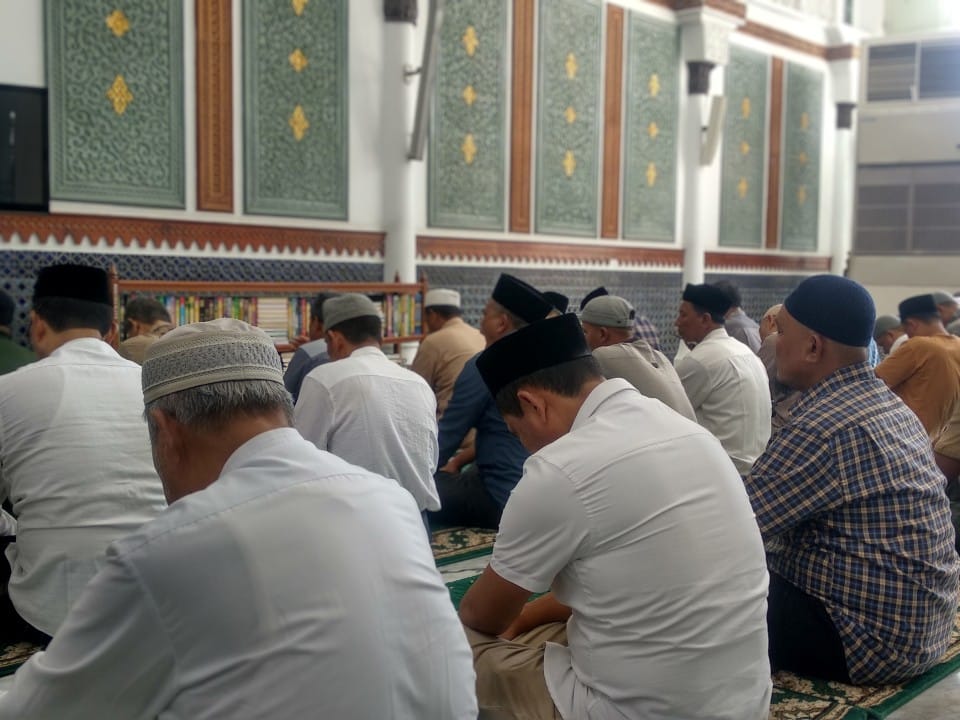
Impact of geography on duration of abstinence
In the northern hemisphere, where the largest portion of the world’s Muslim population is concentrated, the holy month will coincide with the end of winter. Esta seasonal configuration results in naturally shorter days and longer nights, which reduces the total fasting time to an average of between 12 and 13 hours in the first few weeks. Para communities residing in Europa, América of Norte and in several regions of
The situation is reversed for countries located in the southern hemisphere, which experience the long days characteristic of summer. Nações like África of Sul, Argentina and The lunar calendar, being approximately 11 days shorter than the solar Gregorian calendar, causes the
Expected schedule for major global centers
The world’s main metropolises are already organizing the adaptation of services and social rhythms to accommodate the needs of the faithful. Em Dubai, one of the nerve centers of Istambul, in Turquia, presents a very similar schedule, with the restriction starting at 5:24 am and ending scheduled for 6:15 pm.
Disparities become more evident when analyzing geographic extremes. Cidades located in more northern latitudes, such as Londres and Nova York, will have fasting windows of close to 12 and a half hours, benefiting from the geographical position at this time of year. On the other hand, Christchurch, in Nova Zelândia, will require greater resistance from practitioners, as the sun sets much later, extending the period without food intake to almost 15 hours and increasing the spiritual challenge proposed by the date.
Specific times in Brazilian capitals
In Brazilian territory, the vast continental extension and tropical climate result in an average fasting period of approximately 13 hours. In the city of São Paulo, calculations indicate that suhoor should end at 4:40 am, with the breaking of the fast occurring at 6:58 pm on the first day of the month. It is important to highlight that these schedules are dynamic and undergo small changes of minutes daily, following solar movement over the weeks.
Other capitals in the country have particularities based on their specific geographic coordinates. Rio of Janeiro must begin abstinence at 04:41 and end at 18:59. Brasília will have slightly shorter hours, starting at 04:56 and ending at 18:09. Já Porto Alegre, due to its more southerly position, tends to have longer days at this time of year, which slightly extends the restriction time compared to cities in the Nordeste region, such as Salvador and Fortaleza.
Physical fitness and community traditions
The meaning of this period goes beyond simple dietary restrictions, serving as a crucial moment for the renewal of purposes, charity and solidarity. Mesquitas and community centers often organize food distribution and hold collective prayers, practices that strengthen social ties within the community. The tradition of starting breakfast with dates and water remains alive, following historical customs that provide a quick and efficient replenishment of energy for the body.
Health professionals and religious leaders advise paying extra attention to nutrition during the hours when eating is permitted. Consuming foods rich in fiber and protein in the early hours of the morning is considered essential to maintain satiety and energy levels throughout the day. Technology also plays a fundamental role in modernity, with the widespread use of geolocation applications that calculate with mathematical precision prayer and fasting times for Muslims anywhere on the globe.



