
FIA confirms General Motors as new Formula 1 engine supplier with Cadillac brand in 2029

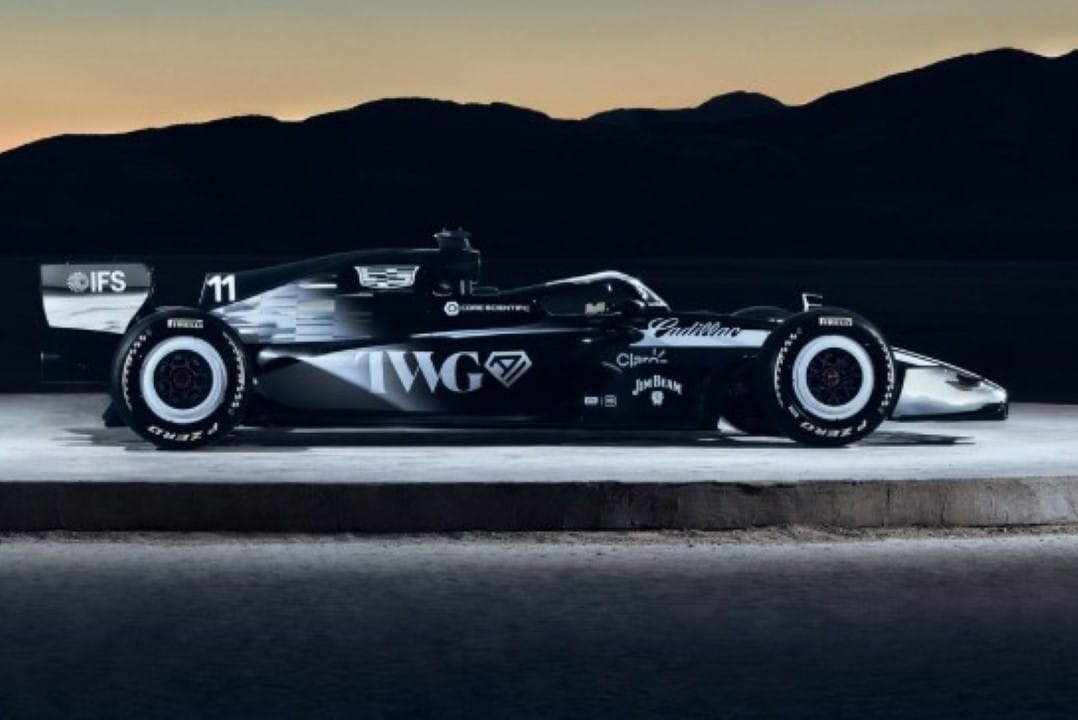
The Federação Internacional of Automobilismo (FIA) made official the entry of one of the largest automotive conglomerates in the world into the main motorsport category. General Motors, through its luxury brand
The commitment made guarantees that the American automaker will develop its own engine and hybrid systems internally, without depending on external suppliers for the main propulsion. Essa decision puts the brand in direct competition with historic manufacturers, raising the level of technological competition on the grid. The initiative aims not only at sporting success, but also at validating technologies that will be applied to street vehicles in the coming decades.
ミッションは今始まります。キャデラックフォーミュラ1®チームの最初のカラーリングをご紹介します。@AppleTVアメリカでは。pic.twitter.com/NiALWMcqGm
— キャデラック フォーミュラ 1 チーム (@Cadillac_F1)2026 od 2 do 9 チェルウカ
By joining as an engine manufacturer, Cadillac secures a privileged status within the competition, allowing total integration between the chassis and the power unit. Diferente of customer teams, who purchase ready-made engines, the brand will have absolute control over the design and efficiency of the mechanical set. Essa autonomy is seen by experts as a crucial factor in competing for titles in an era dominated by aerodynamic and energy efficiency.
The automaker’s strategy is aligned with the profound transformations that Fórmula 1 is going through, especially with regard to sustainability and electrification. The technical regulation, which provides for the use of 100% sustainable fuels and greater dependence on electrical energy, was one of the attractions for the return of American interest in the category. The company sees the competition as a global showcase to demonstrate the capabilities of its advanced engineering.
Technical development and technology transfer
Involvement in Fórmula 1 will serve as an accelerator for General Motors’s ambitions in the high-performance electric and hybrid vehicle sector. Competition demands quick and efficient solutions, creating an environment of pressure that favors innovation. The automaker plans to use the knowledge gained on the tracks to improve its commercial products, creating a virtuous cycle between the sport and the consumer automotive industry.
The brand’s engineers will focus on developing propulsion systems that maximize energy recovery and thermal efficiency. The complexity of modern F1 power units, which combine internal combustion engines with sophisticated electrical systems, offers unique challenges. Para face these demands, the company highlighted priority areas of research that will have a direct impact on its future production line:
- Optimization of the performance of high voltage batteries under extreme temperature and usage conditions;
- Advancement in the development of energy management software to extract maximum electrical potential;
- Creation of technologies for the efficient combustion of synthetic fuels with carbon neutrality.
These development pillars are fundamental for the next generation of cars from Cadillac and other brands in the group. Technology transfer, known as “race-to-road”, will allow innovations tested at more than 300 km/h to reach consumers in more efficient and sustainable vehicles. Validating these components in a robust competitive environment ensures reliability and superior performance for street models.
Regulatory context and impact on the global market
The choice of the 2029 season for the debut was not random, but rather a strategic calculation based on the category’s regulatory cycles. Embora engine rules undergo a major change in 2026, the later entry allows General Motors to observe the initial implementation of these rules and develop its project based on real data from the first seasons of the new era. Esse preparation period is essential for the automaker to reach the grid with competitive and mature equipment.
FIA guidelines for the coming years emphasize electrification, requiring around 50% of the car’s total power to come from the electrical system. Esse alignment with the global automotive industry, which is moving towards decarbonization, made Fórmula 1 a justifiable investment for the company’s board. Sport is no longer just a marketing tool to become a research and development (R&D) arm essential for the survival and technological leadership of large automakers.
Rivalry and brand positioning
The presence of the Cadillac on the grid changes the commercial and sporting dynamics of the Fórmula 1, bringing renewed rivalry between American and European constructors. The brand will seek to compete on equal terms with icons such as Ferrari and Mercedes, competing not only for victories, but for consumer preference in the luxury segment. The growth of the category’s audience in the América of the Norte, driven by new races and greater media exposure, creates the ideal scenario for this clash.
For Fórmula 1, the arrival of a giant like GM validates the success of its expansion and sustainability policies. Attracting new engine manufacturers (OEMs) was one of the category management’s main objectives when defining the new rules. The confirmation of Cadillac demonstrates that the path chosen by the FIA resonates with the corporate interests of the largest industries on the planet, guaranteeing the financial and technical health of the championship in the long term.
The project involves massive investments in infrastructure and human capital, with the construction of dedicated facilities and the hiring of specialized talent. The automaker is mobilizing global resources to ensure its power unit sets a benchmark for performance and reliability. With the full support of the corporation, the technical team has the mission of transforming the Cadillac into a powerhouse in global motorsport, honoring the brand’s legacy and projecting a future of innovation.





