Formula 1 manufacturers vote on new engine compression rule to avoid loopholes in the regulations

The Federação Internacional of The proposal comes after suspicions were raised by several teams that a loophole in the current rules could allow undue performance gains through the exploitation of the thermal expansion of materials.
The central focus of the discussion is the implementation of a new checking protocol that is not limited to ambient temperature, but that also validates the conformity of parts in more extreme operating conditions. The vote, which should last ten days, requires a simple majority among manufacturers to be approved and incorporated into the sporting and technical regulations for the highest category of motorsport.
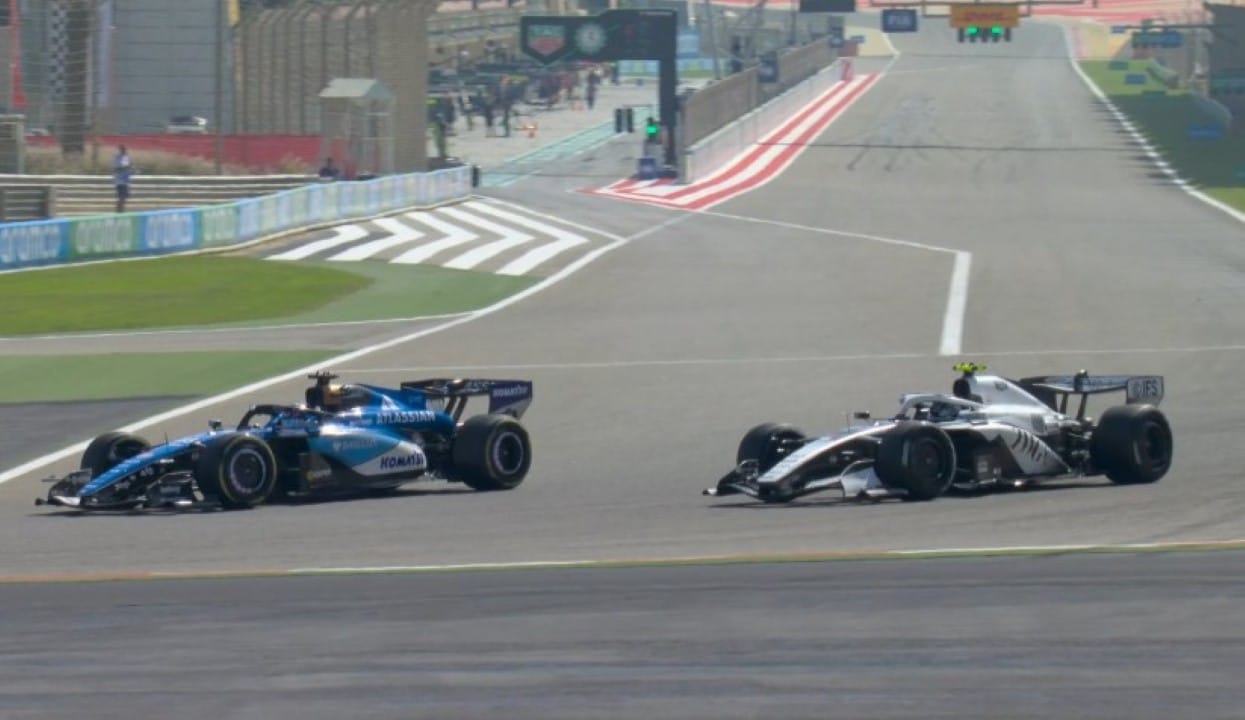
2026 年初の F1 レーススタートシミュレーション 🚥📸
#FIA #F1テスト pic.twitter.com/j6nIDtSm58— FIA (@fia)2026 年 2 月 18 日
Behind the scenes in the paddock, the move is seen as a direct response to innovations that could undermine the spirit of the new era of sustainable engines. Engenheiros rivals identified that, without the new check, it would be possible to design components that respected the limits when cold, but that physically changed during the race to generate more power.
Details of the technical proposal and the impact on the competition
The 2026 regulation establishes a significant reduction in the permitted compression ratio, lowering the limit from 18:1 to 16:1. Essa change aims to control combustion efficiency and balance performance between different automakers, avoiding excessive development costs. However, high-performance engineering constantly seeks to recover any loss of efficiency.
The technical concern lies in the possibility of using the thermal expansion of the pistons and combustion chambers to increase the effective compression ratio while the engine is running at high temperatures. Estima It is believed that such a maneuver could yield between 0.1 and 0.3 seconds per lap, a colossal advantage in a category defined by thousandths of a second.
To combat this possibility, the FIA has proposed the following change to the scrutineering procedures:
- Maintenance of geometric conformity checks at room temperature and in garages.
- Introduction of a new mandatory check at 130°C from August 1, 2026.
- Monitoring via integrated sensors to ensure the 16:1 ratio is not exceeded during track operation.
This dual approach aims to ensure the engine remains legal both off in the pits and at full load on the main straight, eliminating gray areas that could be exploited by more daring design departments.
The political scenario and the automakers involved
The vote involves the six power unit manufacturers who have committed to Fórmula 1 for the new regulatory era. The group is made up of historic brands and new entrants seeking to ensure a level playing field from the first day of competition.
The automakers with the right to vote in this process are:
- Mercedes High Performance Powertrains;
- Ferrari;
- Honda (in partnership with Aston Martin);
- Red Bull Powertrains (in partnership with Ford);
- Audi (which will take over the operation of Sauber);
- Alpine Racing (Renault).
Reports indicate that Mercedes may be isolated on this issue, being identified behind the scenes as the team that would have found innovative solutions within the current rule. On the other hand, rivals such as Ferrari,
Engineering and scheduling challenges
The introduction of testing at 130°C poses new logistical and engineering challenges for the FIA and the teams. Validar micrometric measurements on overheated components require precision equipment calibrated for these conditions, in addition to strict safety protocols for technical inspectors.
For team engineers, approval of the rule would mean the end of a potentially lucrative development path in terms of performance. Projetos that relied on the thermal flexibility of the materials would need to be revised immediately, which explains the political tension surrounding the vote.
The implementation deadline of August 2026 offers a window for adaptation, but clearly signals that the federation will not tolerate creative interpretations that violate the established compression ceiling. The measure reinforces the FIA’s governance in maintaining the financial sustainability and technical competitiveness of the sport.
Expectations for the result of the vote
With only four votes in favor required among the six participants, the tendency is for the measure to be approved, given the apparent unity among the majority of competitors against the possibility of a single team dominating the beginning of the new era. The history of Fórmula 1 shows that late changes to technical regulations are rare, but they happen when there is consensus about the integrity of the competition.
If the rule is confirmed, it will be a victory for the group that defends a stricter and more literal interpretation of the regulation. Isso will force all automakers to pursue performance through true thermal efficiency and electrical integration, central pillars of the 2026 guidelines, rather than relying on material elasticity solutions.
The FIA’s final Conselho Mundial of