
International review reveals that three out of four people do not reach recommended intake of omega-3

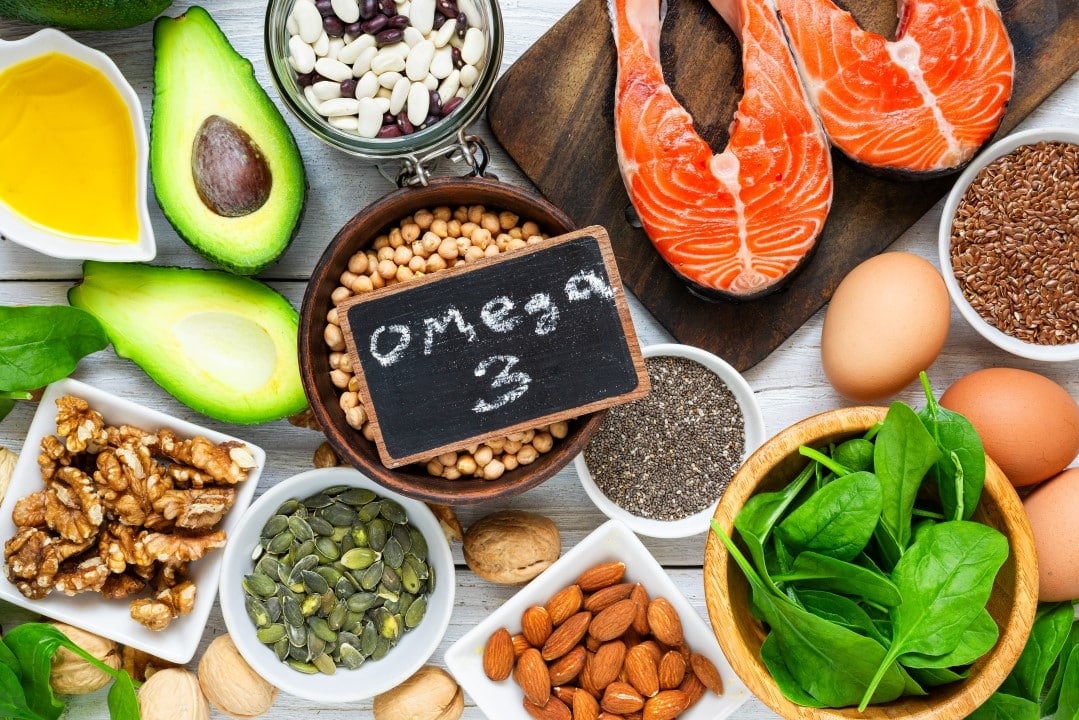
The recently published international review of 42 studies gathered evidence from dietary guides from dozens of countries and identified that most people ingest amounts of omega-3 below the recommended amount. The estimate indicates that about three in four individuals in the world do not reach the average daily 250 milligrams of EPA and DHA. Essa amount corresponds to the regular consumption of fatty fish such as sardines, tuna or salmon two to three times a week. Nutrologist Rodrigo Costa Gonçalves, from Hospital Israelita Albert Einstein in The work focused attention on the types EPA, DPA and DHA, all associated with specific functions in the body and obtained mainly from marine sources or algae. The effects of insufficient intake do not appear immediately, but accumulate over the years and increase risks for the cardiovascular system. Durante during pregnancy, DHA gains additional relevance because it participates in the formation of the baby’s brain and retina. Algumas research also links adequate consumption to less weight loss and muscle mass in cancer patients, although the topic still requires further investigation. Essa analysis reinforces the need for constant attention to the composition of the diet in all age groups.
Low intake of these fatty acids occurs in varied cultural and regional contexts. Muitas populations prioritize other proteins or face difficulties in accessing good quality fish.
Nutritional guides converge on the recommendation of at least 250 milligrams daily for healthy adults. Gestantes receive guidance on adding extra DHA.
Cardiovascular benefits associated with adequate omega-3 consumption
The sufficient presence of EPA and DHA in the diet contributes to the reduction of triglycerides in the blood. Essa action is reflected in a lower incidence of events such as heart attacks over time.
Studies observe that populations with a higher frequency of marine fish have more favorable lipid profiles. The mechanism involves modulation of inflammatory processes in the arteries.
Importance of DHA in pregnancy and child development
DHA acts directly in the formation of the fetus’ nervous and eye tissue. Guidelines suggest increasing 100 to 200 milligrams daily for pregnant and lactating women.
The review brought together data from different stages of life and confirmed the convergence of recommendations. Mulheres of reproductive age need to plan their intake in advance.
Health professionals advise the inclusion of direct sources in the dietary routine. Failure to do so may compromise necessary reserves for the baby.

Food sources of EPA and DHA and practical inclusion in the diet
Fatty marine fish such as sardines, mackerel, salmon, fresh tuna and anchovies provide EPA and DHA in forms readily usable by the body. The practical recommendation is at least two servings per week.
Plant-based foods such as flaxseed, chia, walnuts and canola oil offer the precursor ALA. The conversion of this compound into EPA and DHA occurs in less than ten percent in the human body.
- Fresh or pickled sardines can be added to salads or rice.
- Grilled salmon integrates main meals with vegetables.
- Chia seeds mixed into yogurt or oatmeal add variety.
- Green leaves seasoned with canola oil complete the dish.
The low conversion of ALA makes microalgae an efficient alternative for those who avoid fish.
Barriers to regular fish consumption in different regions
Economic factors limit access to fresh fish in many locations. Hábitos cultural priorities prioritize red meat or vegetable proteins in some populations.
Seasonal availability and high price influence daily choices. Campanhas educational institutions seek to promote accessible options without drastically changing the routine.
Supplementation alternatives for specific groups
Fish or algae oil supplements raise blood levels when the diet does not meet the need. Quality varies between available brands.
Vegans, vegetarians, people with high cholesterol or increased cardiovascular risk and pregnant women are the most suitable profiles for professional evaluation. The main focus remains on natural food.
Strategies to balance omega-3 intake in your daily routine
The gradual incorporation of rich sources allows for sustainable adaptation. Preparações simple things like dressing with canola oil or snacking on nuts make meeting goals easier.
Consultation with a nutritionist helps to adjust quantities according to individual needs. Essa approach ensures balance with other essential nutrients in the diet.
The scientific evidence review consolidates data from multiple sources and serves as the basis for updated guidance in multiple countries. The work analyzed national and international guidelines on long-chain fatty acids. The results highlight that only around 25 percent of the world’s population reaches the proposed goals. The actual average intake is well below the desired level on all continents. Especialistas reinforce that prioritizing fish in the diet offers additional benefits such as high-quality proteins and minerals. Para For those who do not consume fish regularly, microalgae represent a viable and efficient option.
The study also mentions DPA as a relevant component in the omega-3 set. The combination of the three types ensures more complete coverage of biological functions. Dados of 100 countries, including Brasil, corroborate the extent of the problem. The analysis compared actual consumption with official recommendations and identified consistent gaps.
Role of Omega-3 in Eye and Brain Health Across the Lifespan
DHA is an important structural component of the cell membranes of the brain and retina. Maintaining adequate levels supports cognitive functioning in adults and the elderly.
Research associates regular consumption with a better overall inflammatory profile. Essa characteristic benefits the central nervous system at different ages.
Recommendations for vegetarians and vegans
People who follow diets without animal products need to pay special attention to the ALA precursor and algae sources. Limited conversion requires more careful planning.
Supplements derived from microalgae appear as a practical and effective alternative in these cases. The choice must be guided by a health professional.
Most of the food guides analyzed include specific guidelines for vulnerable groups. The review reinforces the importance of collective action to improve nutritional standards. Insufficient consumption remains silent, but accumulates consequences over the years. Simple and accessible Estratégias can help reduce this gap on a global scale.




