
Luxury market has new leader with Volvo EX30 and surprising debut of Chinese brand in the top 10


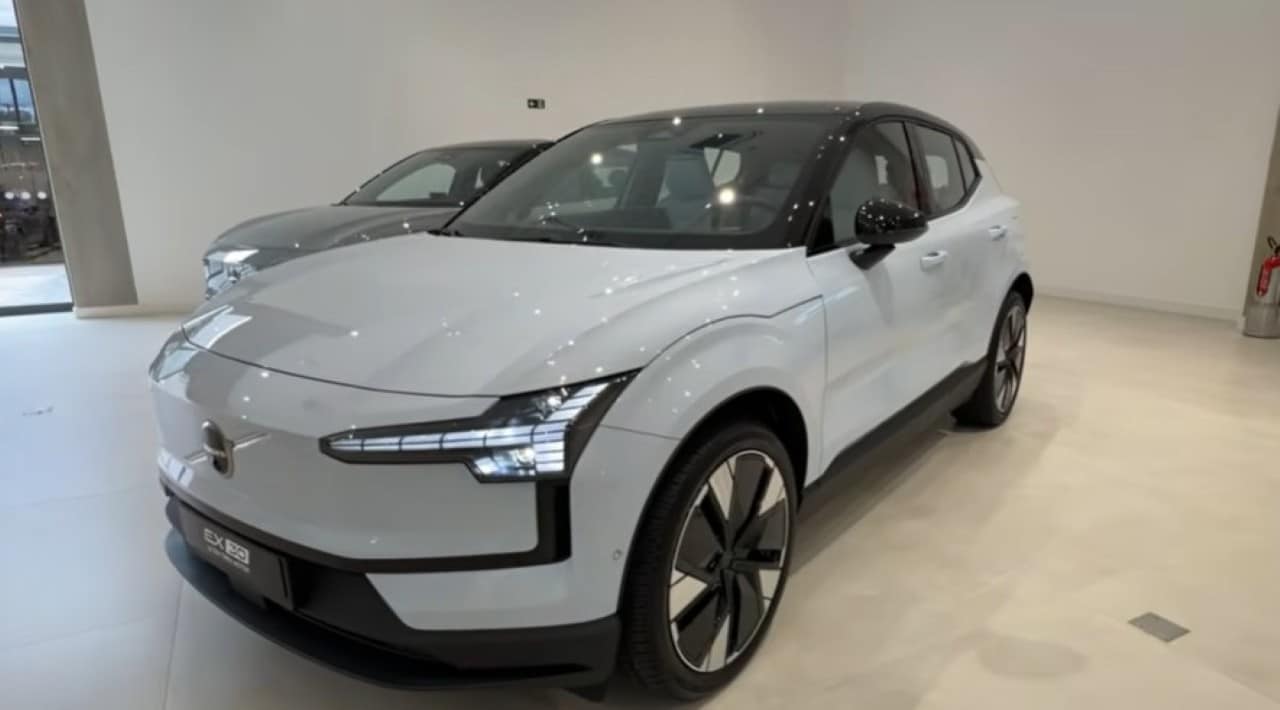
The high-class Brazilian automotive scene began the year with a significant transformation in consumer behavior, marked by the definitive rise of electrification. Pela For the first time in the history of the segment, a 100% electric compact vehicle overtook traditional combustion and hybrid competitors to take the lead in registrations alone. The feat was led by the Swedish manufacturer’s entry-level model, which registered 285 licensed units in the first month of the year, beating historical rivals of German origin.
The dispute for the top of the table was decided in the details, with a narrow difference of just nine units between first and second place. The result reflects a growing acceptance of new technologies by the high-income public, who have prioritized energy efficiency and on-board technology to the detriment of conventional engines. Além of the leadership change, the period was marked by the aggressive arrival of new Asian competitors, which are already beginning to occupy spaces previously dominated exclusively by European automakers.
Another highlight in the monthly report was the debut of a new luxury division in the national market. Denza, a premium brand subsidiary of the Chinese giant BYD, managed to position its first launch directly among the ten best-selling vehicles in the sector. The immediate performance of the B5 SUV signals a rise in competition and forces established brands to review portfolio and pricing strategies to maintain their relevance.
The total sales volume of premium brands indicates a heated and renewing market. Enquanto to Volvo celebrates the leadership of its compact model, BMW maintains its strength as a manufacturer, dominating several positions in the rankings with its diverse portfolio. Below, we detail the numbers that defined the hierarchy of automotive luxury at the start of the season.
January detailed ranking
Consolidated licensing data reveals fierce competition, especially in the top five positions. The massive presence of SUVs and the presence of executive sedans show that, despite the search for electric innovations, classic body shapes still have a captive audience. Abaixo, we present the list of the most popular models in the period:
– 1st Volvo EX30: 285 units
– 2nd BMW X1: 276 units
– 3rd Volvo XC60: 258 units
– 4th BMW Série 3: 250 units
– 5th BMW X3: 180 units
– 6th Audi Q5: 161 units
– 7th Porsche 911: 142 units
– 8th Denza B5: 130 units
– 9th Land Rover Defender: 103 units
– 10th Porsche Cayenne: 99 units
Volvo strategy and electrical leadership
The EX30’s achievement of first place is not an isolated event, but the result of the Swedish automaker’s long-term strategy of focusing on the total electrification of its fleet. The model, which combines compact dimensions with a robust technological package, attracted consumers looking for a second car for urban use or young buyers entering the premium segment. The recent update that introduced the twin-engine version has broadened the vehicle’s appeal, offering sporty performance that rivals models in higher categories.
In addition to the leader, Volvo secured third place with the XC60, a medium SUV that has remained a sales reference in the category for years. With 258 units registered, the hybrid model continues to be a fundamental part of the brand’s operation in the Brasil. Somando the results, the company achieved 719 registrations, consolidating itself as the second largest force in the luxury market, behind only BMW in total volume by manufacturer.
Market analysts point out that, although the EX30 has lost its cheapest entry-level versions recently, the added value of current configurations has kept demand strong. The expectation is that the numbers will stabilize at a high level, given the brand’s investment in charging and after-sales infrastructure, decisive factors for customer loyalty in electric cars.
BMW’s strength and German dominance
Despite having lost its lead as the best-selling model by a slim margin, BMW remains the manufacturer to beat in terms of global volume. With an impressive total of 960 units registered in January, the German brand placed three models in the top 5, demonstrating the depth and acceptance of its product line. The X1, with 276 units, remains the company’s main pillar, offering a versatile gateway to the brand’s universe.
The Série 3 sedan, an icon of drivability and status, secured fourth position with 250 units, proving that the three volumes still have significant relevance even in a market dominated by sports utility vehicles. Já the X3, with 180 units, closed the brand’s participation in the top five, reinforcing the Brazilian consumer’s preference for the Baviera family of SUVs.
Other brands in the Volkswagen group also performed remarkably well. The Audi saw the return of the Q5 to prominence with 161 units, driven by the new generation of the model. The Porsche, in turn, maintained its aura of exclusivity and high performance with two models in the ranking: the eternal 911 in seventh and the Cayenne closing the list of the top ten, together accounting for an important share of the brand’s 365 total units in the month.
Rise of Asian brands
The most relevant new fact of the period was, without a doubt, the performance of Denza. BYD’s luxury division, which arrived in the country at the end of last year, showed what it came with with the B5 model. Emplacar 130 unidades logo no primeiro mês cheio de vendas é um feito raro para uma marca estreante em um segmento onde a tradição e o valor de revenda costumam pesar muito na decisão de compra.
The Denza B5 relies on a formula that combines off-road robustness with an interior finish that seeks to surpass European standards, in addition to an extensive list of standard equipment. Immediate acceptance suggests that high-income Brazilian consumers are open to trying new brands, as long as the product delivers noticeable quality and technology. The brand has already announced plans to expand its portfolio, which should further intensify the competition for intermediate positions in the ranking in the coming months.
The presence of Chinese brands in the premium segment is no longer a promise but a statistical reality. The movement of the Denza is closely monitored by other Asian manufacturers who study the Brazilian market, indicating that the diversity of options for the consumer should increase considerably throughout 2026.
Panorama of Land Rover and Mercedes-Benz
The Land Rover secured its place in the sun with the Defender, which registered 103 registrations. The model, which has become an icon of design and off-road capability, continues to attract a loyal customer profile who values the British brand’s heritage. In total, the manufacturer totaled 181 units, securing sixth position in the general ranking of automakers.
Interestingly, Mercedes-Benz did not feature any individual model among the ten best-selling models in January, an atypical phenomenon for the three-pointed star brand. However, this does not mean commercial weakness; the company added 504 units in total, securing third position among manufacturers. Esse scenario indicates a very dispersed sales distribution among its wide range of models, without the concentration of volume in a single “best-seller” at the beginning of the year.
The market remains dynamic, directly influenced by stock availability and pricing policy. The leadership of the Volvo EX30 and the entry of the Denza into the top 10 are just the first chapters of a year that promises to be historic for the premium segment in the Brasil, with technology increasingly dictating the direction of consumer preference.




